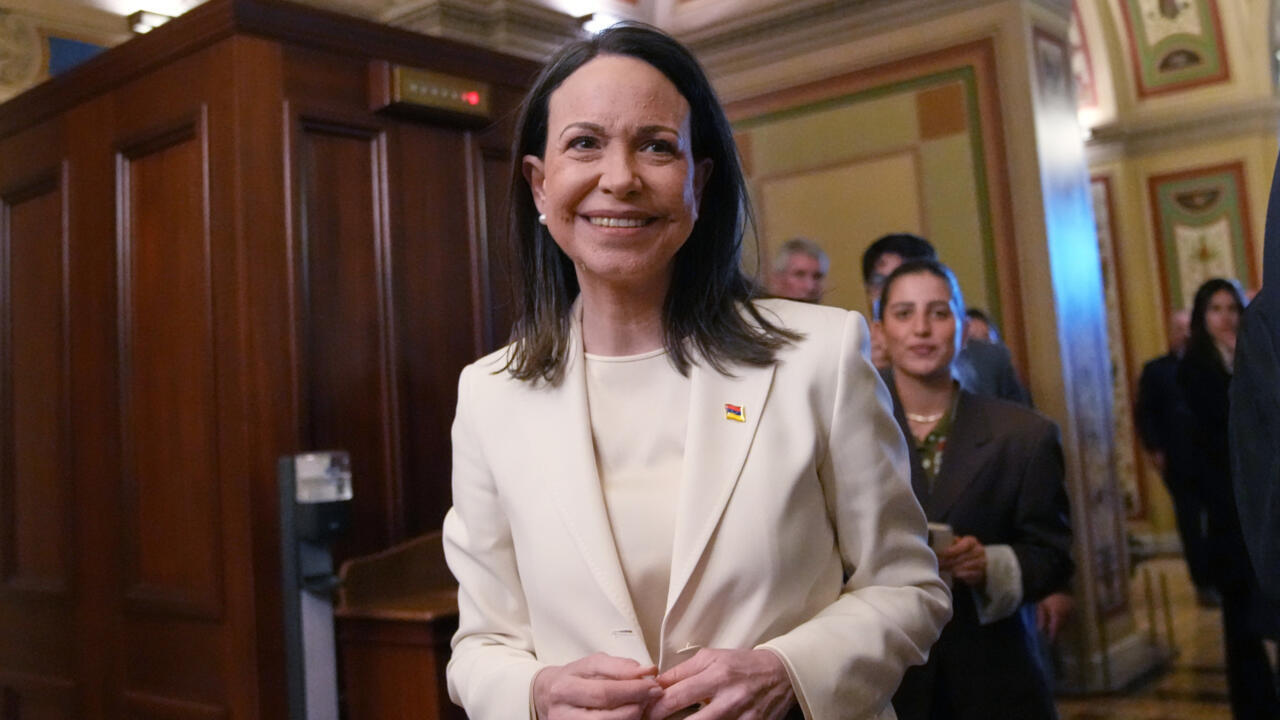
Venezuelan opposition leader Maria Corina Machado has revealed her plans to initiate negotiations with interim President Delcy Rodriguez regarding a democratic transition of power, following the overthrow of Nicolas Maduro's regime in January.
Machado emphasized that her candidate, Edmundo Gonzalez Oruña, is the true winner of the controversial presidential elections held in 2024, which Maduro claimed victory in, further perpetuating the political crises in the country.
Details of the Upcoming Negotiations
In a statement directed at the United States, Machado, a Nobel Peace Prize laureate, urged Washington to support the negotiations aimed at facilitating free presidential elections. She highlighted the necessity of international backing to ensure the legitimacy and transparency of the electoral process.
Machado's call for American support comes amid a backdrop of severe economic and humanitarian crises in Venezuela, which have led to widespread migration and social unrest. The opposition leader believes that a united front with international allies is crucial for the success of the negotiations.
Background & Context
The political landscape in Venezuela has been tumultuous since Maduro's rise to power, marked by allegations of electoral fraud and human rights abuses. The opposition has struggled to gain traction against a government that has consistently undermined democratic institutions.
In recent years, various attempts at dialogue between the government and opposition have failed, often due to a lack of trust and differing agendas. The current situation presents a new opportunity for dialogue, as both sides recognize the urgent need for a resolution to the ongoing crises.
Impact & Consequences
The outcome of these negotiations could have significant implications for Venezuela's future. A successful transition to democracy could restore stability and encourage investment, while failure could exacerbate the existing crises and lead to further international isolation.
Moreover, the negotiations may set a precedent for how political transitions are handled in other countries facing similar challenges in the region. The role of the United States and other international actors will be pivotal in shaping the direction of these talks.
Regional Significance
The situation in Venezuela is closely monitored by neighboring countries, as the political and economic instability has led to a mass exodus of Venezuelans seeking refuge elsewhere. This migration crisis has strained resources in countries like Colombia and Brazil, highlighting the regional ramifications of Venezuela's internal conflicts.
Furthermore, the negotiations could influence broader geopolitical dynamics in Latin America, particularly regarding U.S. foreign policy and its approach to supporting democracy in the region. A successful transition in Venezuela could inspire similar movements in other authoritarian regimes.
In conclusion, the upcoming negotiations between the Venezuelan opposition and the interim government represent a critical juncture for the nation. The international community's involvement, particularly from the United States, will be essential in facilitating a peaceful and democratic resolution to the ongoing crises.