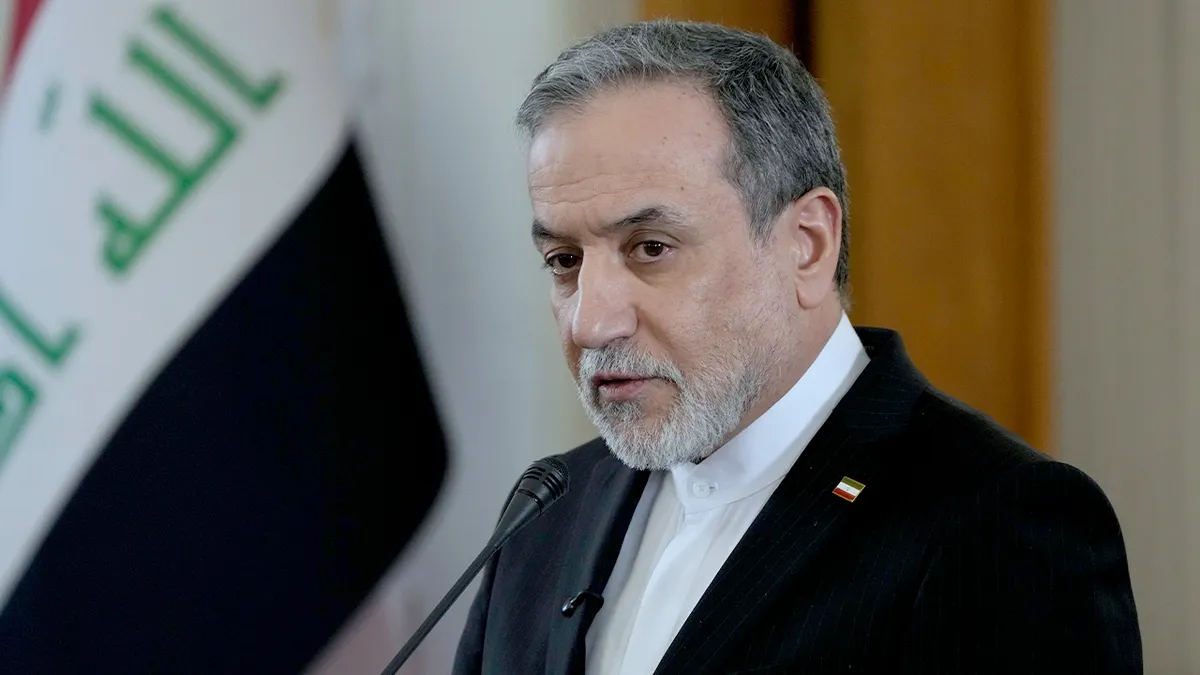
The Iranian news agency IRNA has announced a new visit by Iranian Foreign Minister Abbas Araghchi to Pakistan, following the failure of the latest round of negotiations between the United States and Iran. This visit signifies the continuation of diplomatic efforts aimed at reviving dialogue between the two sides, despite the considerable challenges they face.
The failure of the most recent negotiations, known as the Islamabad 2 round, has raised numerous questions about the future of relations between Washington and Tehran. These negotiations aimed to address outstanding issues between the two parties, including the Iranian nuclear program and the sanctions imposed on Iran.
Details of the Event
Araghchi's visit to Pakistan comes at a sensitive time, as both parties seek to find common ground for negotiations. Observers have noted that Pakistan plays a crucial role as a mediator in these talks due to its historical relationships with both sides. Additionally, Pakistan aims to enhance its regional role by participating in these diplomatic efforts.
Despite the failure of the last round, there are indications that both parties remain interested in conducting new talks. Iranian officials have confirmed that the obstacles hindering negotiations can be overcome if serious steps are taken by the American side.
Background & Context
The roots of tensions between Washington and Tehran date back decades, with the relationship between the two countries experiencing numerous fluctuations. Since the United States withdrew from the Iranian nuclear agreement in 2018, tensions have escalated significantly, leading to the imposition of severe economic sanctions on Iran.
In recent years, several countries, including Pakistan, have attempted to mediate between the two parties in an effort to find a peaceful solution. However, progress in these negotiations is often slow and faces significant challenges due to mutual distrust between the sides.
Impact & Consequences
The failure of negotiations could have serious repercussions on regional security, as it may lead to heightened tensions in the Middle East. Furthermore, the continuation of sanctions on Iran could negatively impact the Iranian economy, potentially exacerbating humanitarian conditions in the country.
On the other hand, the success of negotiations could pave the way for improved relations between the United States and Iran, contributing to regional stability. It could also lead to a reduction in sanctions and an improvement in economic conditions in Iran, benefiting the Iranian people.
Regional Significance
The relationship between Washington and Tehran directly affects Arab countries, particularly those sharing borders with Iran. The tensions between the two parties could destabilize Iraq, Syria, and Lebanon, where Iran plays a significant role in supporting certain factions.
If negotiations succeed, the region may witness a shift in the balance of power, which could positively impact neighboring Arab countries. Additionally, improved relations between Iran and the United States may help reduce sectarian tensions in the region.
In conclusion, all eyes remain on the outcomes of Araghchi's visit to Pakistan and what new developments it may bring to the negotiations between Washington and Tehran. Resuming dialogue could be a crucial step towards achieving peace and stability in the region.