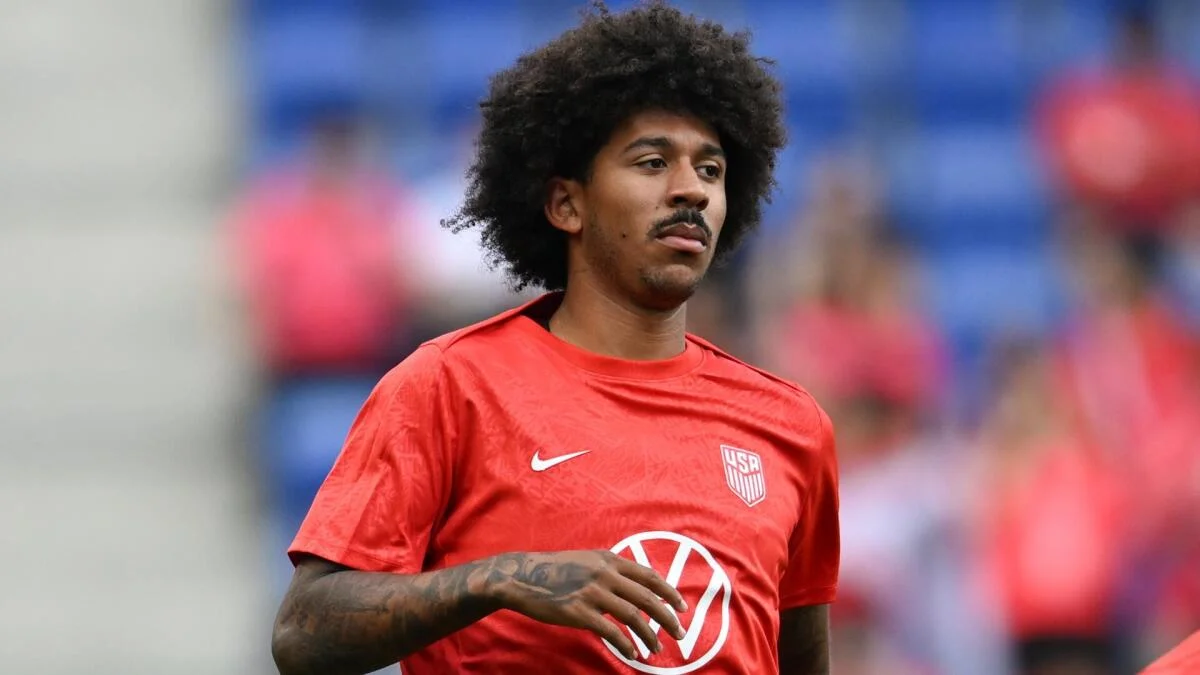
The US Soccer Federation has announced injuries to players Chris Richards and Miles Robinson, leaving the national team in a precarious position ahead of upcoming matches. These injuries come at a critical time as the team aims for positive results in the qualifiers for the 2026 World Cup. The US team is set to face several tough challenges in the coming weeks, increasing the importance of the recovery of key players.
The injury to Chris Richards, a defender for Crystal Palace, and Miles Robinson, a defender for Atlanta United, is a significant blow to the US national team. Both players have been essential components in coach Gregg Berhalter's lineup, relied upon to bolster the defense. Their absence is expected to greatly impact the team's performance, especially with the upcoming challenges.
Details of the Injuries
The injury to Chris Richards occurred due to an ankle injury sustained during a match in the English Premier League, while Miles Robinson suffered a thigh injury during team training. Both players have been excluded from the roster for the upcoming matches, meaning coach Berhalter will need to seek alternatives to compensate for their absence.
These injuries are part of a series of challenges faced by the US national team recently. The team has experienced multiple absences due to injuries, affecting its stability and cohesion. As the qualifiers approach, the team needs all its key players to achieve positive results.
Background & Context
Historically, the US national team has struggled with injury issues before major tournaments. In the previous World Cup qualifiers, several key players were injured, impacting the team's performance in crucial matches. As the current qualifiers draw near, fans hope the team can overcome these obstacles and achieve success.
The US national team is striving to qualify for the 2026 World Cup, which will be held in the United States, Canada, and Mexico. This event presents a significant opportunity for the team to showcase its development on the global stage, but the current injuries may hinder this pursuit.
Impact & Consequences
The injuries to Chris Richards and Miles Robinson represent a substantial setback for the US national team, as their absence will significantly affect the defense. Coach Berhalter may need to restructure the team, which could impact the harmony and integration among players.
If injuries persist, the US national team may have to rely on less experienced players, increasing pressure on the team in the upcoming matches. Additionally, these injuries could affect the morale of the remaining players, potentially leading to negative performance outcomes.
Regional Significance
Soccer in the United States is a sport that is gaining increasing popularity, and the results of the US national team may impact soccer fans in the Arab region. Many closely follow international matches and are interested in the performance of major teams, including the US national team.
Moreover, the success of the US national team in the qualifiers could enhance its status on the global stage, potentially opening doors for further sports and cultural cooperation between the United States and Arab countries. Ultimately, fans' hopes remain pinned on the team's ability to overcome these challenges and achieve success in the qualifiers.