A team of Chinese researchers has developed an innovative fabric capable of self-cleaning using only water, without the need for chemical detergents. This announcement was made in a study published in the journal Communications Chemistry, opening new horizons in fabric technology.
This technology responds to growing environmental concerns regarding the impact of traditional detergents, which are not completely removed during wastewater treatment processes. Some of their chemical and microplastic components remain in aquatic environments, causing harm to living organisms in rivers, lakes, and oceans.
Details of the Innovation
The new innovation relies on a special coating applied to fabrics using two polymers: diallyl dimethyl ammonium chloride and vinyl sulfonic acid. This coating creates a dense water layer around the fibers, acting as a barrier that prevents dirt, grease, and microbes from adhering.
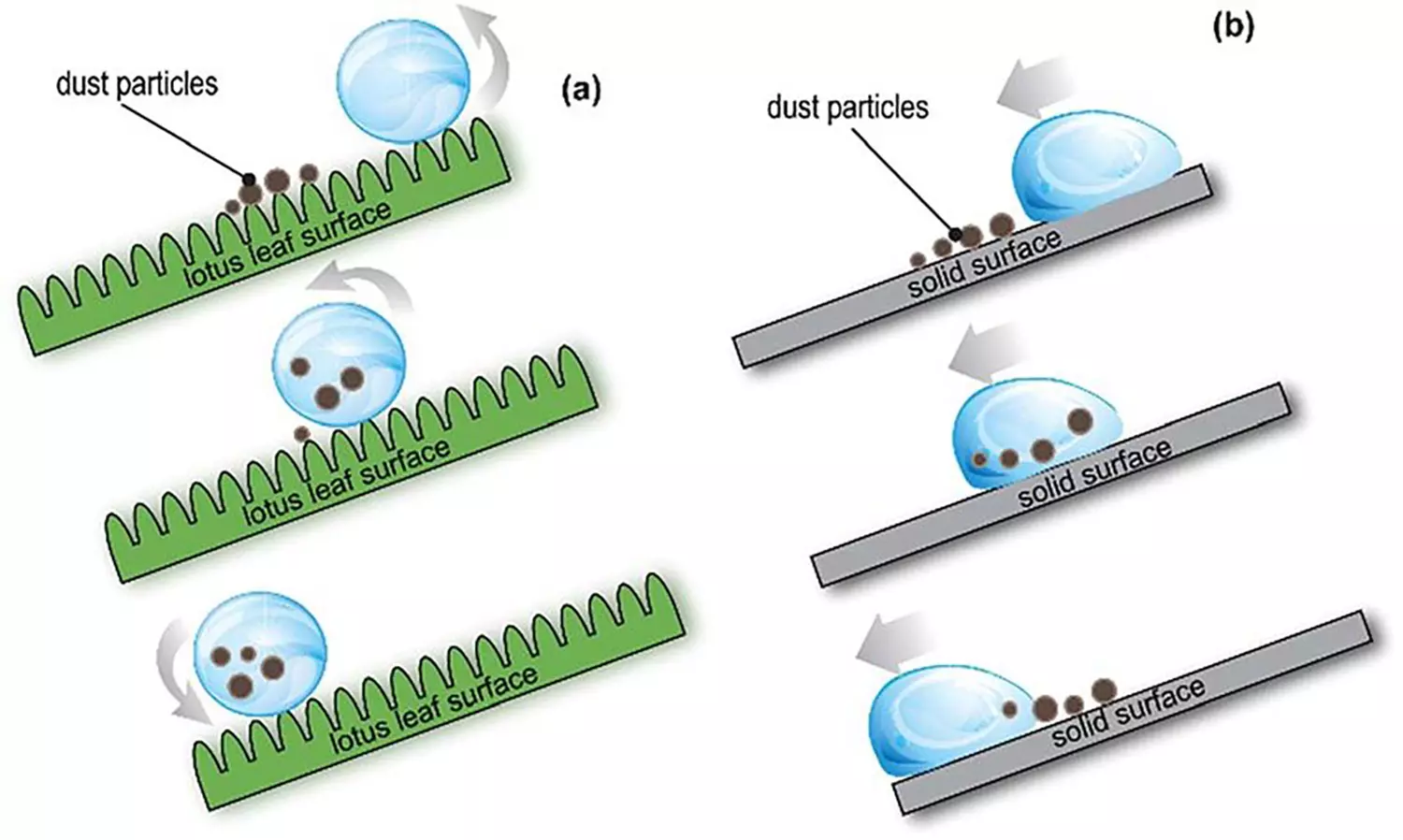
When the fabric is rinsed with water, these contaminants are easily removed without the need for any additional cleaning agents. Results have shown that the developed fabric is inspired by a well-known principle in nature called the lotus effect, where the leaves of the Egyptian lotus plant possess an extraordinary ability to repel water and dirt due to their micro-structured surface.
Background & Context
The issue of water pollution caused by chemical detergents is one of the pressing environmental challenges in today's world. These detergents contribute to the deterioration of water quality and negatively affect marine life. Therefore, developing a fabric capable of self-cleaning without the need for chemicals represents an important step towards achieving environmental sustainability.
The team successfully mimicked this natural behavior by designing a polymer layer that forms a water barrier, preventing contaminants from sticking to the fabric's surface, allowing for easy removal when rinsed with water alone, without the need for chemical detergents. Experiments have proven that the fabric can remove food stains and grease, as well as bacteria and fungi, while maintaining its efficiency for over 100 wash cycles.
Impact & Consequences
The study indicates that using this fabric could reduce water and energy consumption by approximately 82%, as it eliminates the need for multiple washing stages and detergents, relying instead on a single rinse with water. This figure reflects the significance of the innovation in reducing the environmental impact of traditional washing processes.
Researchers believe that this technology represents a promising step towards reducing chemical pollution from detergents and conserving water resources, especially amid global challenges related to water scarcity. Additionally, these innovations may contribute to changing consumption patterns in society, enhancing environmental awareness.
Regional Significance
Given the environmental challenges faced by Arab countries, such as water scarcity and environmental pollution, this innovation could have a significant impact. The use of such fabrics could improve quality of life and reduce environmental impact in the region.
Moreover, this technology could pave the way for the development of future commercial applications, contributing to transforming the laundry sector into a more sustainable and environmentally friendly model. Investing in such innovations could have a positive impact on the local economy and bolster Arab countries' efforts towards achieving sustainable development.
In conclusion, this innovation represents an important step towards a more sustainable future, as it can help reduce pollution and protect the environment, making it a model to be emulated in other areas of technology.