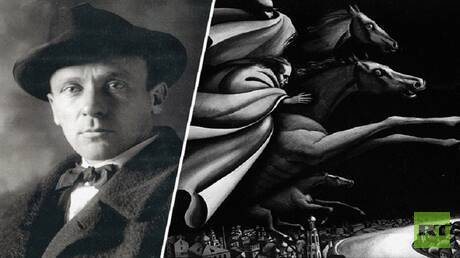
The Shilovsky Theater in Moscow has introduced an innovative artistic experience that blends the biography of the renowned Russian writer Mikhail Bulgakov with music and historical documents. This experience aims to provide a vibrant human journey that goes beyond conventional narratives, revealing the hidden aspects of Bulgakov's life and the creative legacy he left, which has made a significant mark on both Russian and global literature.
This artistic endeavor incorporates multiple elements, using music as a means to enhance the narrative, creating a unique atmosphere. Historical documents related to Bulgakov's life are also showcased, allowing the audience to explore various facets of his personality and works.
Event Details
The experience titled "Bulgakov Between the Lines and Notes" is not merely a theatrical performance; it is an attempt to revive the spirit of a writer who lived during a challenging period in Russian history. Literary texts are presented in a dramatic style, making the audience feel as if they are experiencing the events firsthand. The performance also includes musical pieces inspired by Bulgakov's works, adding a special character to the presentation.
This experience is part of the Shilovsky Theater's efforts to present artistic works that reflect Russian cultural heritage and contribute to the enhancement of the performing arts in the country. This initiative has received significant acclaim from both critics and audiences alike, as they believe it opens new horizons in the world of theater.
Background & Context
Mikhail Bulgakov is one of the most prominent Russian writers of the 20th century, known for his literary works that address complex social and political issues. His most famous novels, "The Dog Who Loved" and "The Master and Margarita," reflect his personal experiences under the Soviet regime. His works faced censorship during his lifetime but later became literary classics.
The Shilovsky experience comes at a time when Russian theater is undergoing a renewal in artistic methods, as artists seek to integrate various arts to provide unique experiences for audiences. This trend also reflects a growing interest in reviving Russian cultural heritage and presenting it in a contemporary manner.
Impact & Consequences
This theatrical experience is a significant step towards enhancing the arts in Russia, as it helps attract a new audience and raise cultural awareness. By merging music and documents with literary narration, theater can offer a rich and impactful experience to the audience.
This initiative may also inspire other theaters around the world, including those in Arab countries, to adopt new methods in presenting artistic works, thereby enhancing cultural exchange and reflecting diversity in the arts.
Regional Significance
The Shilovsky Theater experience could have positive effects on the performing arts in the Arab world, as it may inspire Arab artists to explore new methods in presenting their works. Additionally, the interest in Russian literature, particularly Bulgakov's works, can enhance cultural exchange between Arabs and Russians.
In light of the challenges facing the arts in the region, such initiatives represent an opportunity to revive Arab theater and present works that reflect the rich cultural heritage of the area.