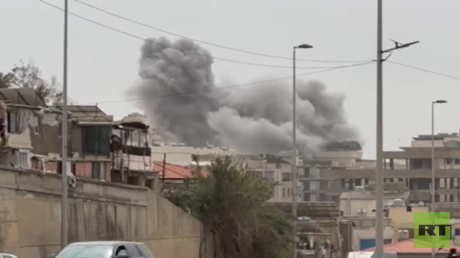
Israeli warplanes launched fierce airstrikes on the southern suburb of Beirut today, escalating tensions in the region. The low-flying aircraft have heightened anxiety among local residents.
These airstrikes come at a sensitive time, as the area is experiencing increasing tensions due to volatile political and security situations. Local sources reported that the strikes targeted locations believed to be affiliated with Hezbollah, raising fears of a larger escalation in the ongoing conflict.
Details of the Incident
According to eyewitnesses, explosions were heard throughout the southern suburb, with the airstrikes concentrated in specific areas. Israeli warplanes flew at low altitudes, which intensified the panic among residents living in those regions.
The Israeli military has not yet issued an official statement regarding these airstrikes, but reports indicate that these operations are part of efforts to target what are considered security threats in the area. It is noteworthy that the southern suburb of Beirut is regarded as a stronghold for Hezbollah, which has long been a target of Israeli military operations.
Background & Context
Historically, the southern suburb of Beirut has witnessed numerous Israeli airstrikes, especially during periods of tension between Israel and Hezbollah. This area, known for its dense urban population, has experienced conflicts lasting decades, making it susceptible to military tensions.
These airstrikes coincide with rising tensions in the region, where fears of a broader conflict could impact stability in Lebanon and neighboring countries. Additionally, the political situation in Lebanon, which is grappling with economic and political crises, complicates the landscape further.
Impact & Consequences
Israeli military operations could lead to a serious escalation in the region, with concerns about potential reactions from Hezbollah or its allies. Such escalations could result in widespread military confrontations, exacerbating the suffering of civilians in Lebanon.
Furthermore, these airstrikes may affect relations between Lebanon and Israel, as any military escalation is viewed as a threat to regional security. The international community is closely monitoring the situation, as Lebanon's stability is considered a crucial part of stability in the Middle East.
Regional Significance
Tensions in Lebanon could impact neighboring countries, as any military escalation in Lebanon has implications for regional security. Other Arab nations may find themselves compelled to intervene or mediate to prevent further escalation.
Moreover, the situation in Lebanon could influence relations between Arab countries and Israel, as any military escalation poses a challenge to ongoing efforts aimed at achieving peace and stability in the region.
In conclusion, the Israeli airstrikes on the southern suburb of Beirut represent a serious escalation in the ongoing conflict, necessitating close monitoring by the international community. There remains hope that the involved parties can avoid escalation and return to dialogue.