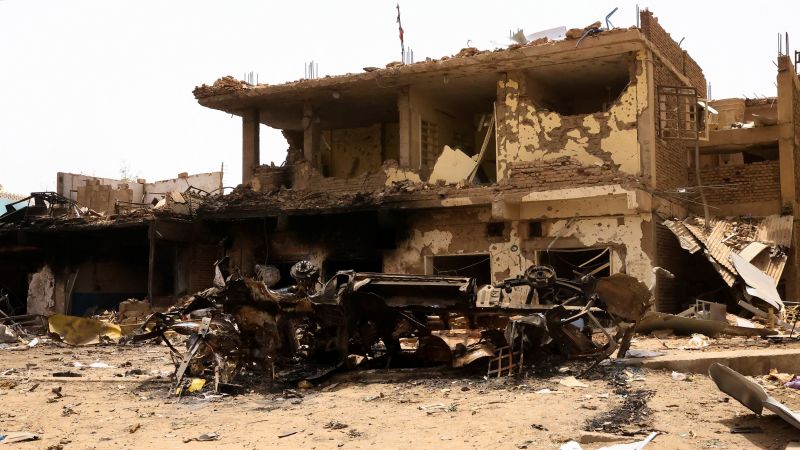
Sudan is currently witnessing a notable escalation in clashes between the Sudanese army and the Rapid Support Forces, with confrontations intensifying in several regions, resulting in numerous casualties. These clashes occur during a critical period for the country, as the government strives to achieve stability amid various crises it faces.
The clashes are evident in different areas of Sudan, particularly in the capital, Khartoum, and other regions. Reports indicate that both sides are using heavy weaponry, exacerbating the situation and threatening civilian lives.
Details of the Incident
According to local sources, the clashes began early last week when the Sudanese army attempted to regain control of strategic areas that were under the control of the Rapid Support Forces. These confrontations have resulted in the deaths of several soldiers and civilians, raising concerns within the international community.
Calls from human rights organizations are increasing, urging an end to the violence and the protection of civilians, as reports indicate that many families have been displaced from conflict areas in search of safety. The humanitarian situation is worsening, with rising basic needs among the population.
Background & Context
The roots of the conflict between the Sudanese army and the Rapid Support Forces trace back to long-standing political and security tensions in the country. The Rapid Support Forces were originally established to combat rebellion in Darfur, but they have become a significant force in Sudanese politics following the ousting of former President Omar al-Bashir.
Despite agreements reached between various parties, tensions remain, reflecting the deep divisions within Sudanese society. The transitional government faces significant challenges in managing these crises, complicating the situation further.
Impact & Consequences
The repercussions of these clashes extend beyond Sudan's borders, affecting regional stability in the Horn of Africa. There are growing fears that these conflicts could lead to a refugee influx into neighboring countries, increasing pressure on these nations.
Furthermore, the continuation of violence may impact international efforts to support the peace process in Sudan, as many countries seek to provide humanitarian assistance and promote stability in the region.
Regional Significance
The situation in Sudan poses a significant challenge for Arab countries, as stability in Sudan is vital for regional security. There are increasing concerns that escalating violence could destabilize neighboring countries, negatively affecting relations among these states.
In light of these circumstances, the international community and Arab nations must work together to support peace efforts in Sudan and provide humanitarian aid to those affected by the conflict.