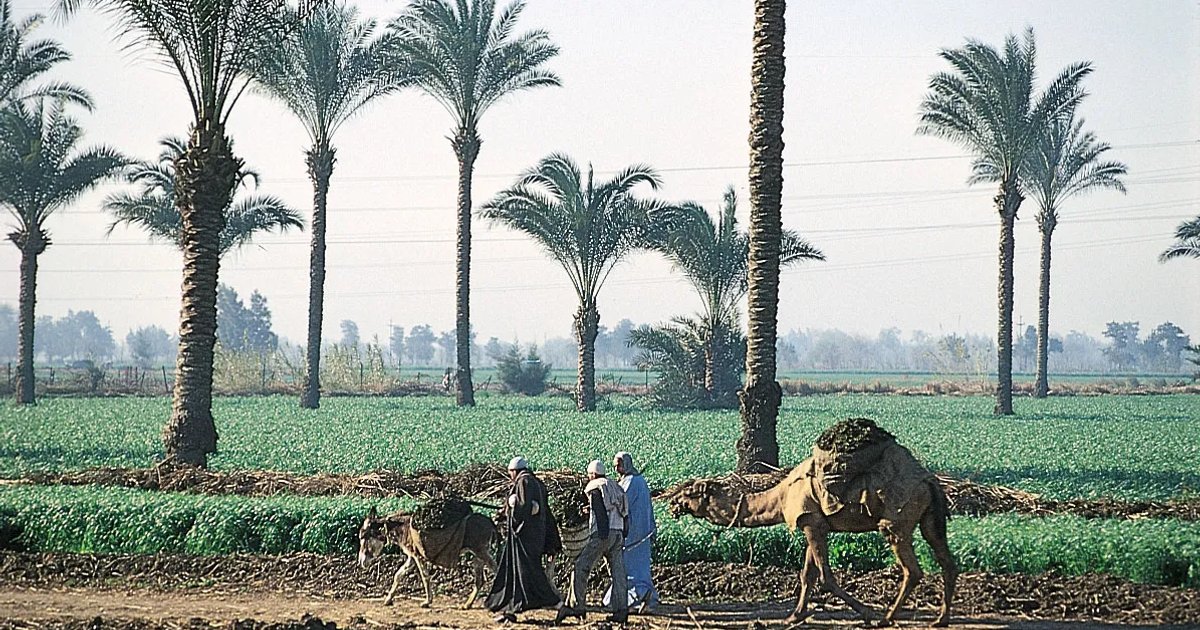
The Egyptian Ministry of Agriculture and Land Reclamation has announced the intensification of field tours to monitor fertilizer distribution and sugarcane supply, as part of its efforts to enhance agricultural production and ensure farmers' needs are met. This step comes at a critical time as the agricultural sector seeks to improve performance and increase productivity to face current economic challenges.
The field tours will include monitoring the distribution of fertilizers to farmers, with the ministry aiming to ensure that fertilizers reach the rightful recipients in a timely manner. The tours will also follow up on the supply of sugarcane, which is considered a strategic crop in Egypt, significantly contributing to the national economy.
Details of the Initiative
The ministry confirmed that these tours will cover all agricultural governorates, where field committees will be formed to oversee the implementation of the fertilizer distribution plan and crop supply. The committees will also provide technical and advisory support to farmers to ensure the highest levels of production are achieved.
These efforts come amid the challenges facing Egyptian agriculture, including climate change and rising production costs. Through these tours, the ministry aims to build trust between farmers and government entities and improve the level of services provided to them.
Background & Context
Agriculture is considered one of the vital sectors in the Egyptian economy, providing job opportunities for a large number of citizens and contributing to food security. However, this sector faces many challenges, including water resource shortages and rising agricultural input prices.
In recent years, the Egyptian government has taken several steps to improve the performance of the agricultural sector, including increasing investments in agricultural infrastructure and developing irrigation systems. Training programs have also been launched for farmers to enhance their skills and increase their productivity.
Impact & Consequences
These field tours are expected to contribute to improving agricultural production levels, which will positively reflect on the national economy. They will also help reduce the gap between supply and demand for agricultural crops, potentially leading to price stability in the market.
Moreover, enhancing trust between farmers and government entities may improve relations between the two parties, thereby increasing the effectiveness of the agricultural policies in place.
Regional Significance
Egypt's experience in improving its agricultural sector serves as a model that other Arab countries facing similar challenges can benefit from. Strengthening agricultural production is vital for achieving food security in the region, especially in light of climate change and economic pressures.
These efforts could foster regional cooperation in agriculture, allowing for the exchange of expertise and modern technologies among Arab countries to achieve sustainable development.
In conclusion, the efforts made by the Egyptian Ministry of Agriculture represent a positive step towards enhancing agricultural production and ensuring farmers' needs are met. These initiatives are expected to improve the living standards of farmers and strengthen food security in the country.