The focus is on Iran as the U.S. campaign known as "Economic Fury" escalates, aiming to impose further pressure on the Iranian regime. Through this campaign, the United States seeks to reduce Iran's access to global financial markets, complicating the economic situation in the country.
The new campaign includes a series of economic sanctions targeting vital sectors such as oil and energy, threatening to diminish government revenues and increase the suffering of Iranian citizens. The U.S. administration has confirmed that these measures aim to compel Iran to change its behavior in the region, particularly regarding its nuclear program and support for armed groups in other countries.
Details of the Campaign
The U.S. Treasury Department has announced a new set of sanctions targeting companies and individuals linked to the Iranian regime. These sanctions include asset freezes and prohibitions on dealings with U.S. financial institutions. The list of banned individuals and entities has also been expanded, reflecting Washington's determination to enhance pressure on Tehran.
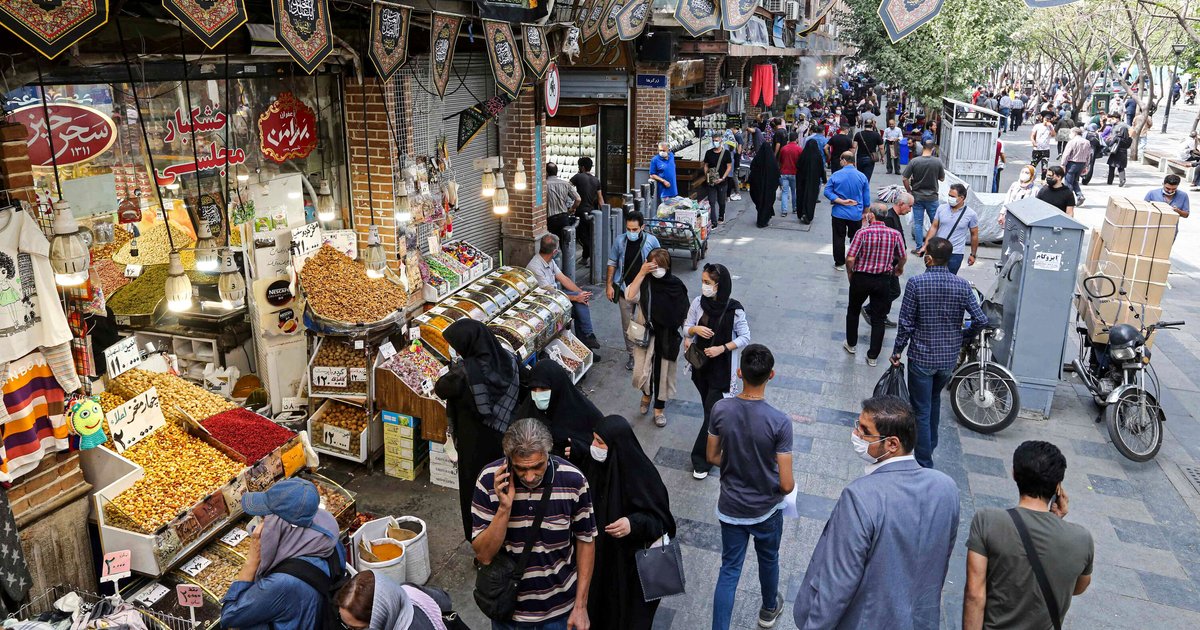
These steps come at a time when Iran is suffering from a crippling economic crisis, with inflation and unemployment rates rising significantly. Reports have shown that the Iranian economy contracted by up to 6% last year, increasing pressure on the government and fueling public discontent.
Background & Context
Historically, U.S.-Iranian relations have experienced increasing tensions since the Islamic Revolution in 1979. These tensions have led to multiple economic sanctions against Iran, but the current campaign is considered one of the most severe. In recent years, Iran has attempted to adapt to sanctions by strengthening its relationships with countries like China and Russia, but these strategies have not achieved the desired success.
The U.S. campaign coincides with stalled negotiations over Iran's nuclear program, as major powers seek to revive the nuclear agreement reached in 2015. However, the current escalation may complicate these negotiations and increase instability in the region.
Impact & Consequences
Forecasts indicate that the U.S. campaign will exacerbate economic conditions in Iran, potentially contributing to increased public protests. Additionally, these pressures may push the Iranian government to take more extreme measures, both domestically and internationally.
Regionally, this campaign could affect relations between Iran and neighboring countries, likely heightening tensions in the Gulf region. The rising economic pressures may also drive Iran to bolster its support for armed groups in the area, complicating security situations further.
Regional Significance
Arab countries neighboring Iran are on alert regarding the evolving situation. Increased pressure on Iran could lead to shifts in the balance of power in the region, impacting security and stability in countries like Iraq, Syria, and Lebanon.
Moreover, the repercussions of the U.S. campaign could influence global oil prices, as any disruption in Iranian production may reflect on the markets. In this context, Arab nations must take proactive steps to address any potential changes in the regional landscape.
In conclusion, the U.S. campaign "Economic Fury" against Iran remains a complex issue that requires close monitoring, as its repercussions may extend beyond Iran's borders, affecting the stability of the region as a whole.