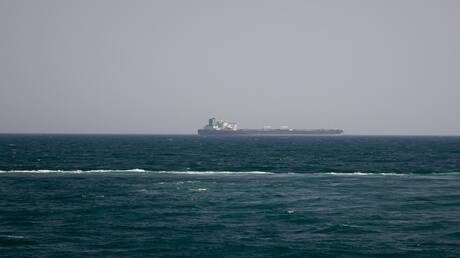
The US Navy has seized a new Iranian oil shipment in the Indian Ocean, with an estimated value of $380 million. According to reports from 'Tanker Trackers', this operation reflects the ongoing American pressure on Iran amid escalating tensions between the two nations.
This move comes at a sensitive time, as the United States seeks to enhance its military presence in the region, particularly in light of increasing Iranian threats. Reports indicate that the shipment was en route to an unknown destination, raising further suspicions about Iranian commercial activities in international waters.
Details of the Incident
In the details of the incident, reports indicate that the US Navy conducted precise surveillance operations prior to executing the seizure, where the location of the shipment was identified and its identity confirmed. This operation is not the first of its kind, as the United States has previously carried out similar actions against Iranian oil shipments in recent years.
This step is considered part of a broader strategy to counter Iranian activities in the region, as the United States aims to reduce Iran's ability to export oil, which is a major source of revenue for Tehran.
Background & Context
Historically, US-Iranian relations have seen increasing tensions since the United States withdrew from the nuclear agreement in 2018. Since then, Washington has imposed strict economic sanctions on Iran, significantly impacting its economy, particularly the oil sector.
Iran is one of the largest oil producers in the world and plays a crucial role in the global energy market. However, US sanctions have drastically reduced its exports, forcing it to rely on unconventional methods to sell its oil.
Impact & Consequences
Analysts expect this operation to escalate tensions between the United States and Iran, as Tehran may respond in various ways, including increasing military activities in the region. These events could also affect global oil prices, as any escalation in tensions could lead to market volatility.
Furthermore, these developments may impact US allies in the region, who might be concerned about rising military tensions. This could lead to increased cooperation between Arab nations and the United States to address Iranian threats.
Regional Significance
These events are particularly significant for Arab countries, as any escalation in tensions between the United States and Iran could affect regional stability. Many Arab nations rely on stable oil prices, and any changes in this context could impact their economies.
Additionally, Arab countries that share maritime borders with Iran may feel anxious about any potential military escalation, which could lead to heightened tensions in the region. Therefore, these events require close monitoring by decision-makers in Arab nations.
In conclusion, this US military operation reflects the ongoing tensions in relations with Iran and highlights the importance of monitoring Iranian activities in the region. These dynamics are expected to continue influencing the political and economic situations in the area.