The truce between the United States and Israel on one side and Iran on the other faces a new test, as diplomatic efforts in Pakistan have stalled. President Donald Trump emphasized pressure on Tehran, warning of the danger of a "ticking bomb" threatening Iranian oil pipelines.
Trump indicated that Iran has about three days before its oil pipelines become at risk of explosion due to oil accumulation and limited storage, following the halt of shipments from Iranian ports under U.S. siege. He stated that Tehran is "under pressure," and if it wants to negotiate, it must contact Washington through "secure lines."
Details of the Event
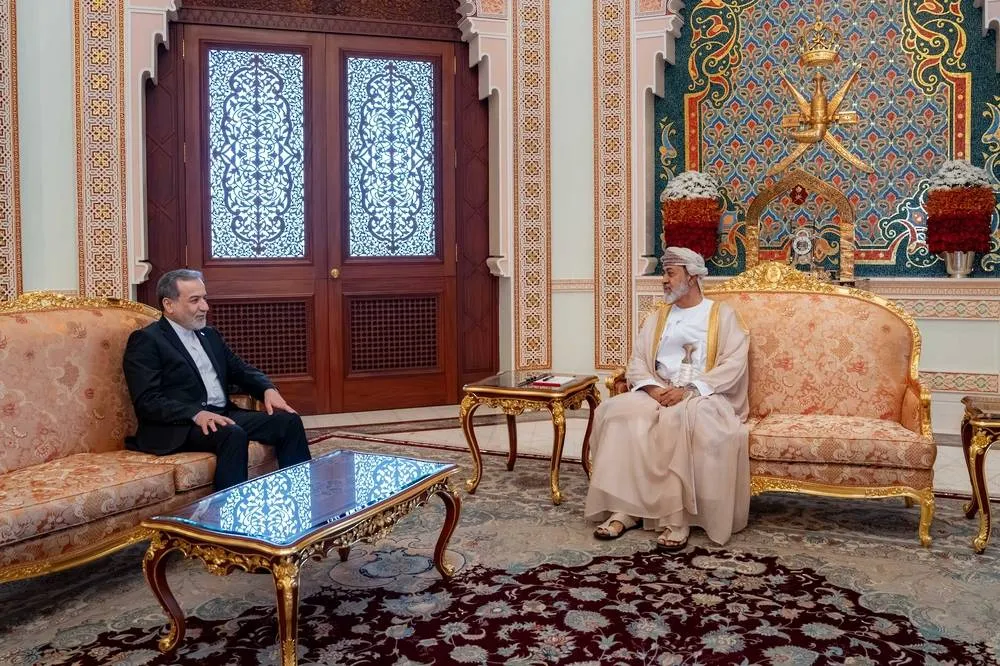
In a related context, Iranian Foreign Minister Abbas Araghchi returned to Islamabad after talks with Sultan Haitham bin Tariq in Muscat, where discussions focused on the Strait of Hormuz. Iranian media reported that Araghchi conveyed messages to Washington via Pakistan regarding "red lines" in the nuclear file and the strait.
Iranian President Masoud Bezhakian assured Pakistani Prime Minister Shahbaz Sharif that Tehran would not enter into "negotiations imposed on it" under threat or siege. He demanded the removal of obstacles first, including the siege imposed on Iranian ports, before laying the foundations for settlement.
Background & Context
Tensions are escalating in Tehran, where the spokesman for the Iranian Parliament's National Security Committee, Ebrahim Rezaei, criticized Pakistan's role as a mediator, stating it is "not a suitable mediator." Deputy Speaker of Parliament Ali Nikzad added that the Strait of Hormuz would not return to its previous state based on orders from Supreme Leader Mojtaba Khamenei.
President Trump announced that the U.S. Navy is working to clear Iranian mines in the Strait of Hormuz, which is considered a vital corridor for oil shipments. Disrupting traffic in this strait increasingly threatens the global economy.
Impact & Consequences
Experts noted that the process of sweeping the area for explosives could take months, despite a fragile ceasefire between the United States and Iran. Any announcement about clearing the waterway may fail to convince commercial shipping companies that the strait has become safe.
Emma Salisbury, a researcher in the National Security Program, confirmed that "you don't even have to have planted mines; it is enough to make people believe you have." Even if the United States sweeps the strait, Iranians can question the safety of the area.
Regional Significance
Concerns are growing about the impact of these tensions on the Arab region, as any escalation in the Strait of Hormuz could lead to rising oil prices and affect Arab economies reliant on oil. Additionally, continued U.S. pressure on Iran may complicate the situation in the region further.
In conclusion, it seems that the situation in the Strait of Hormuz will remain under scrutiny, as challenges to any diplomatic efforts aimed at calming the situation continue to increase.