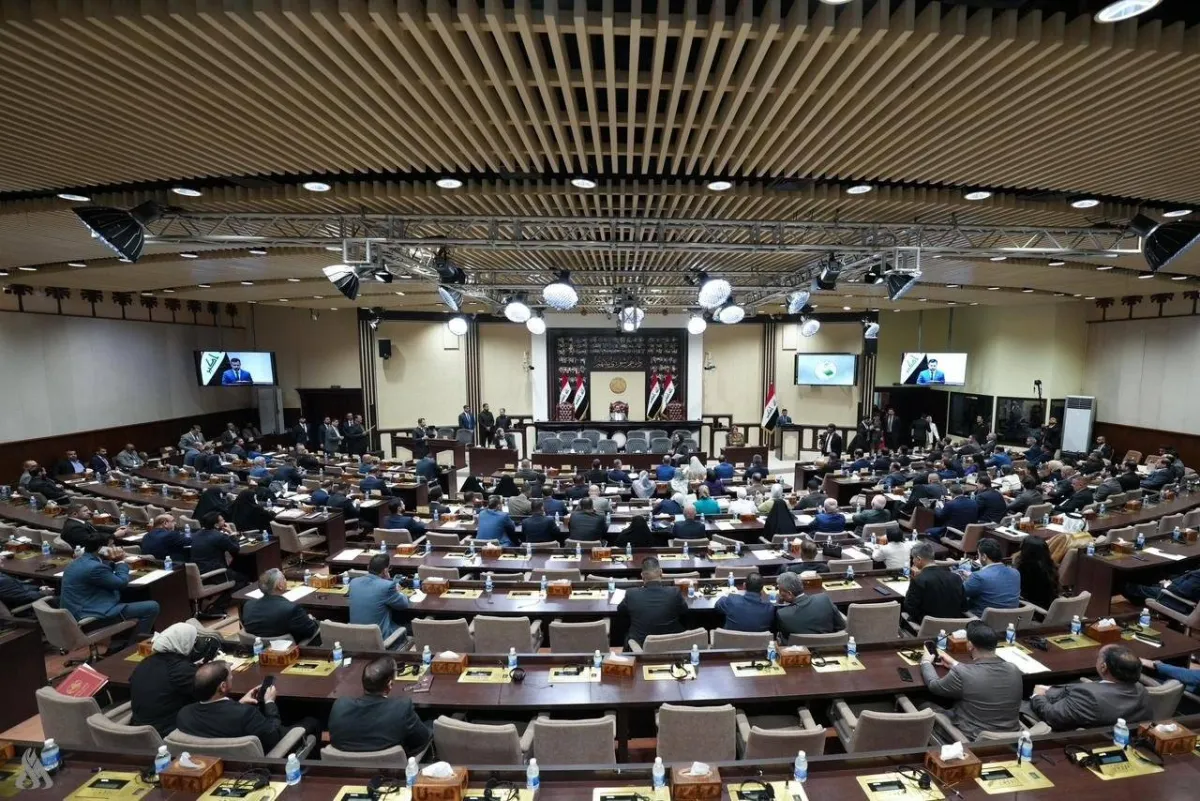
Iraq has today entered a constitutional void at the government level after the expiration of the 15-day deadline set for nominating a Prime Minister. Despite meetings held by the Coordination Framework on Saturday evening, they were unable to agree on a single name, highlighting a state of ongoing political division.
This situation comes more than five months after the parliamentary elections held late last year and about half a month after the election of Nizar Amidi as President. This constitutional void reflects a state of political instability in the country, as citizens seek a government capable of meeting their needs.
Details of the Event
The Coordination Framework consists of 12 Shiite figures with varying political and electoral weight, complicating the process of selecting a new Prime Minister to succeed Mohammed Shia' al-Sudani. Although there are more than 40 candidates for this position, internal divisions have prevented reaching a consensus.
Observers consider that the country entering a constitutional void places the Shiite framework in a precarious position, as some of its members attempt to justify the situation by claiming that there are no punitive conditions resulting from this void. However, this situation reflects an inability to form an effective government at a time when Iraq needs political and economic stability.
Background & Context
Historically, Iraq has witnessed numerous political crises that have led to constitutional voids, as previous governments faced significant challenges in forming stable coalitions. The recent parliamentary elections hoped to change this reality, but the results showed that political divisions remain.
It is noteworthy that Iraq suffers from economic and security issues, increasing the importance of forming a new government capable of addressing these challenges. The current constitutional void could exacerbate the situation and increase the suffering of citizens who are waiting for tangible improvements in their daily lives.
Impact & Consequences
The constitutional void could worsen economic and social crises in Iraq, significantly affecting public services and development projects. Additionally, the absence of an effective government may open the door for armed factions to increase their influence, heightening security tensions.
This situation may also impact Iraq's foreign relations, as the country needs international support to face economic challenges. Political instability may make Iraq less attractive for foreign investments, further exacerbating economic crises.
Regional Significance
The situation in Iraq serves as an indicator of the challenges facing many Arab countries amid political divisions. The constitutional void in Iraq could have negative effects on regional stability, potentially causing increased tensions among various factions.
Furthermore, the Iraqi situation may affect relations between neighboring countries, as some regional powers seek to enhance their influence in the absence of a strong central government. This could complicate the political landscape in the region and reflect a state of instability.
In conclusion, the constitutional void in Iraq represents a significant challenge that requires urgent efforts to form a government capable of restoring trust and achieving stability. Citizens are looking for swift solutions that guarantee their rights and meet their basic needs.