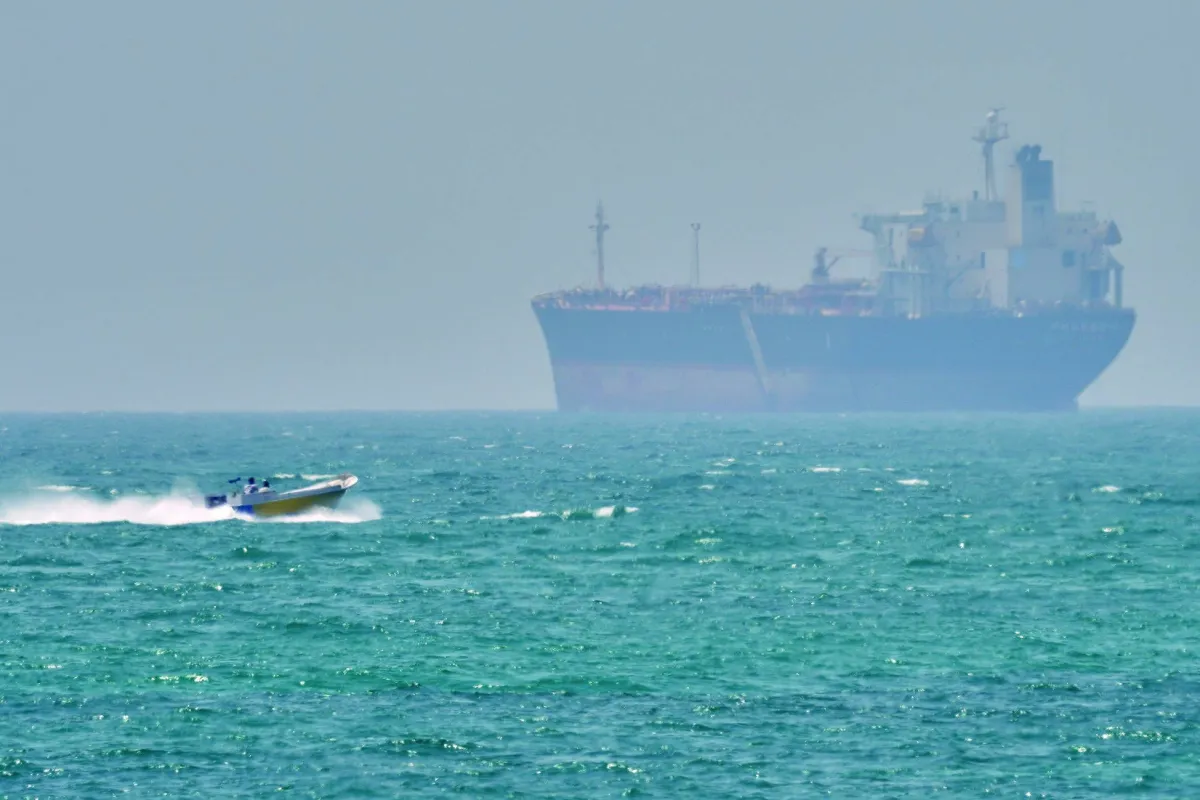
According to Axios news, Iran has put forward a new proposal to the United States via Pakistani intermediaries, aimed at reopening the Strait of Hormuz and ending the ongoing war. This proposal includes postponing nuclear negotiations to a later stage, indicating Tehran's willingness to reduce tensions with Washington.
These developments come at a time when Iran is facing increasing economic pressures due to U.S. sanctions. President Donald Trump has warned that Iranian oil pipelines could be at risk of explosion due to oil accumulation amid the blockade imposed on Iranian ports. Trump indicated that Iran has about three days before these lines become endangered.
Details of the Proposal
In a related context, Iranian Foreign Minister Abbas Araghchi returned to Islamabad after talks with Sultan Haitham bin Tariq in Muscat, where he conveyed messages to Washington regarding the "red lines" in the nuclear file and the Strait. For his part, Iranian President Masoud Bezhakian assured Pakistani Prime Minister Shahbaz Sharif that Tehran would not enter negotiations under threat or blockade, demanding the removal of obstacles first.
It is noteworthy that there are differing opinions within Tehran, as the spokesman for the Iranian Parliament's National Security Committee, Ebrahim Rezaei, criticized Pakistan's role as a mediator, arguing that a mediator should be neutral. Additionally, Deputy Parliament Speaker Ali Nikzad pointed out that the Strait of Hormuz would not return to its previous state based on orders from Supreme Leader Mojtaba Khamenei.
Background & Context
Historically, the Strait of Hormuz is one of the most important waterways in the world, through which about 20% of the world's oil passes. The strait has witnessed increasing tensions in recent years, especially with the escalation of the conflict between Iran and the United States. The U.S. blockade on Iranian ports has exacerbated the economic situation in the country, prompting Tehran to seek diplomatic solutions.
At the same time, concerns are rising over the impact of naval mines on navigation in the strait, with Trump confirming that the U.S. Navy is working to remove Iranian mines. However, the mine removal process could take months, raising concerns about restoring confidence in navigation safety.
Impact & Consequences
The repercussions of these developments extend beyond Iranian borders, as they could affect global oil prices and market stability. If Iran successfully reopens the strait, it may alleviate economic pressures on itself, while the United States could face new challenges in managing relations with Tehran.
Moreover, any new escalation in tensions could worsen the situation in the region, threatening regional security. Therefore, the success or failure of the Iranian proposal could have far-reaching implications for international relations.
Regional Significance
For Arab countries, the stability of the Strait of Hormuz is vital, as many nations rely on oil passing through it. Any escalation in the conflict could lead to rising oil prices, negatively impacting the economies of the region. Thus, mediation and negotiation efforts between Iran and the United States may be essential to ensure regional stability.
In conclusion, the fate of the Strait of Hormuz remains contingent on political and economic developments in the region, necessitating close monitoring by concerned nations.