Throughout its extensive history, the United States has experienced numerous assassination attempts on its presidents, with many facing life-threatening situations while others managed to survive. These incidents raise significant questions regarding the personal security of presidents and their implications for American politics.
Recently, the assassination attempt on former President Donald Trump has sparked widespread debate about the dangers that political figures encounter in the United States. Trump is not the only one who has faced assassination attempts; there is a long list of presidents who have been targeted in similar ways.
Details of the Incidents
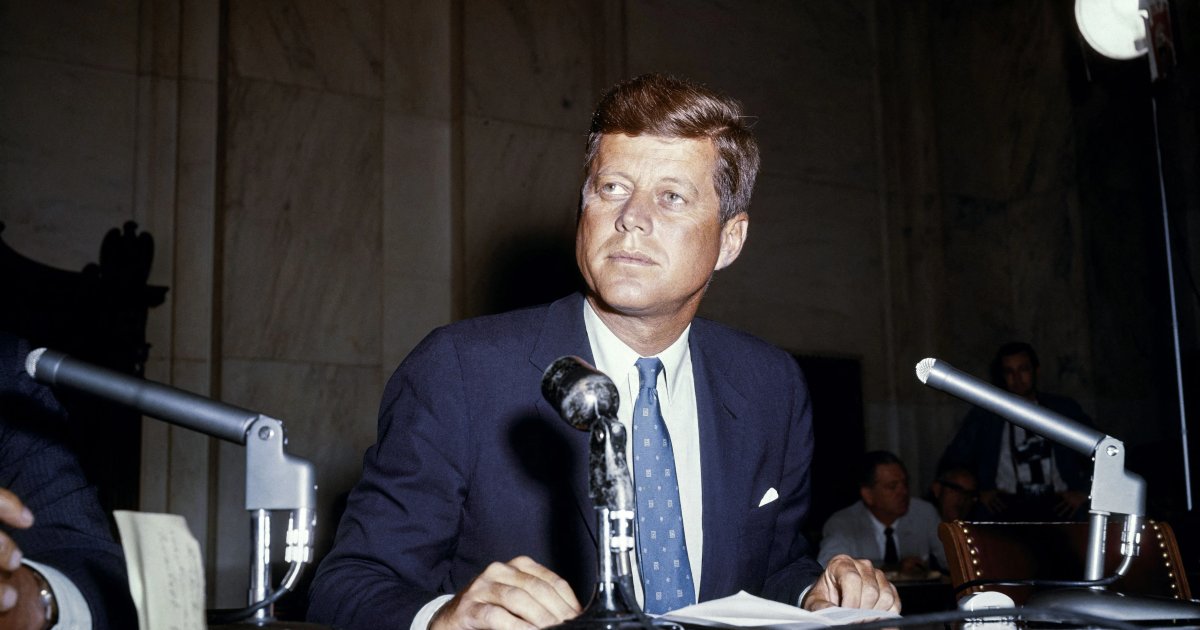
Among the presidents who faced assassination attempts, President Abraham Lincoln stands out, having been assassinated in 1865, while President John F. Kennedy was killed in 1963. In contrast, President Ronald Reagan survived an assassination attempt in 1981, sustaining serious injuries but eventually returning to his position after a period of recovery.
The motivations behind these attempts vary widely, ranging from political disagreements to social crises. In some instances, the motives for assassination were linked to political opposition, while in others, they stemmed from personal or psychological issues.
Background & Context
The history of the United States is rife with political assassinations, which are considered an integral part of the nation’s narrative. The country has witnessed numerous assassinations since its founding, reflecting the political and social tensions that have prevailed throughout different eras.
The recent assassination attempt on Trump serves as a reminder that the personal security of presidents remains a sensitive topic. Threats against political figures have escalated in recent years, necessitating enhanced security measures to protect them.
Impact & Consequences
Assassination attempts significantly affect American politics, creating an atmosphere of fear and instability. They lead to increased security measures, which can impact presidents' ability to engage with the public.
Moreover, these incidents may result in changes to domestic and foreign policies, as presidents seek to bolster security and protection. Such changes can influence international relations, reflecting on the United States' image globally.
Regional Significance
Political assassination incidents in the United States hold particular importance for the Arab region, raising questions about political and security stability. Historical experiences in the region indicate that political assassinations can lead to radical changes in political systems.
Understanding the motivations behind these incidents can aid in enhancing security and stability in the region, as assassinations may escalate tensions and conflicts.
In conclusion, assassination attempts on American presidents remain a complex subject that requires in-depth study to understand their impact on domestic and foreign policy. Additionally, strengthening the personal security of presidents is essential for maintaining the country's stability.