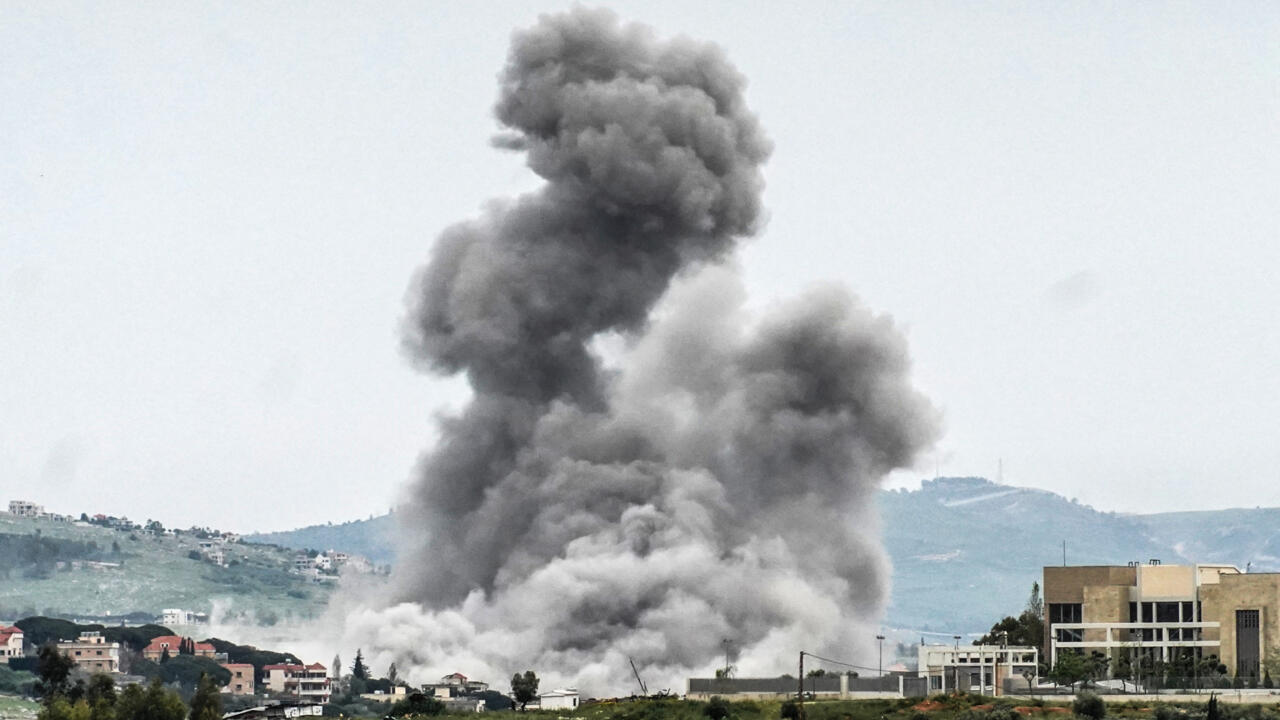
In a new escalation of tensions between Hezbollah and Israel, the Lebanese party has declared it will persist in responding to what it terms ceasefire violations by the Israeli state. This announcement comes after Israeli airstrikes in southern Lebanon led to the deaths of 14 individuals, including two children and two women, and injured 37 others.
As the situation intensifies, Israeli Prime Minister Benjamin Netanyahu accused Hezbollah of jeopardizing the ceasefire, a claim that the party vehemently denied, asserting that it will not hesitate to retaliate against any aggressions.
Details of the Incident
The Lebanese Ministry of Health reported that the Israeli airstrikes that occurred on Sunday resulted in the deaths of 14 people, sparking widespread outrage in Lebanon. This escalation comes despite a recently extended ceasefire between Hezbollah and Israel.
On another front, the Kremlin confirmed that Russian President Vladimir Putin will meet with Iranian Foreign Minister Abbas Araghchi in Saint Petersburg, a visit occurring amid stalled peace talks between Iran and the United States. These meetings appear aimed at strengthening cooperation between Russia and Iran in light of the Western sanctions imposed on both countries.
Background & Context
Historically, the relationship between Hezbollah and Israel has been marked by ongoing tensions, with several rounds of conflict between the two parties. Since the outbreak of the Second Lebanon War in 2006, clashes and mutual threats have not ceased. The regional situation has also been significantly affected by various conflicts, including the war in Syria, where Iran has played a pivotal role in supporting Hezbollah.
In recent years, relations between Russia and Iran have strengthened, particularly under the pressure of Western sanctions. Both nations are seeking to bolster their positions in the region, complicating the security landscape further.
Impact & Consequences
Concerns are growing that these tensions could lead to a larger escalation in the region, especially with regional and international powers intervening in the conflict. The continuation of Israeli airstrikes on Lebanon may provoke strong reactions from Hezbollah, potentially dragging the region into a broader conflict.
Moreover, the current escalation could impact peace talks between Iran and the United States, as both nations seek to achieve their interests amid changing circumstances.
Regional Significance
This escalation poses a significant challenge to regional security, as clashes between Hezbollah and Israel could affect neighboring countries, including Syria and Jordan. Any escalation in Lebanon could have economic and political repercussions for surrounding Arab nations.
In conclusion, the situation in Lebanon remains under close observation, with analysts expecting tensions to continue rising unless effective political solutions are reached.