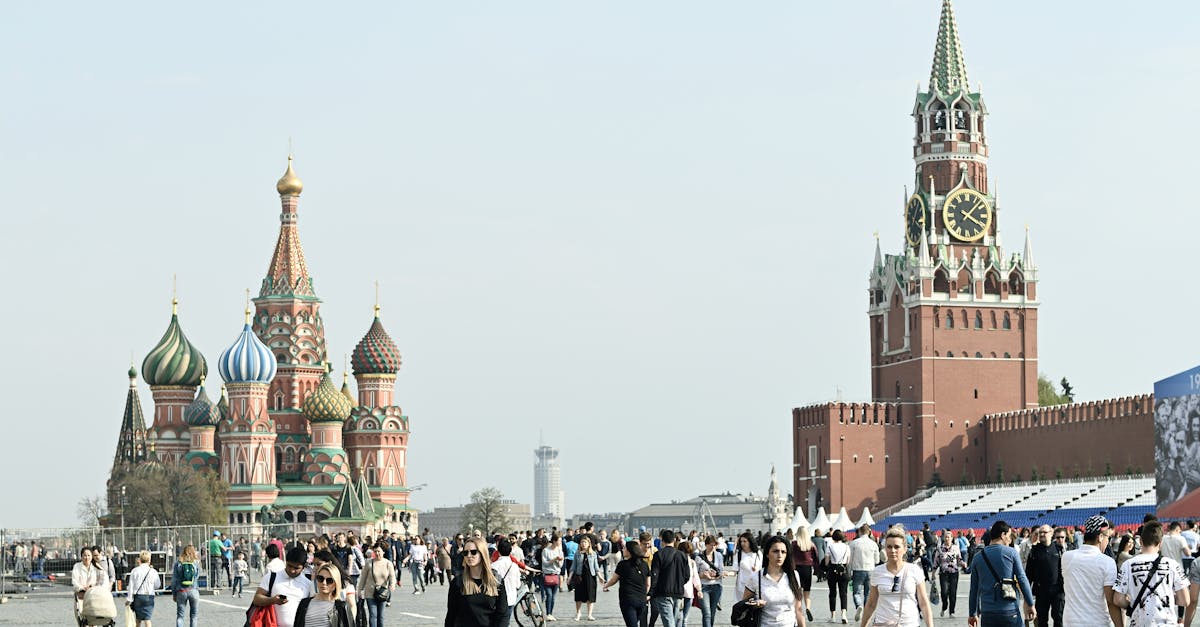
In a move that could reshape relations between the United States and Iran, Iranian Deputy Foreign Minister Abbas Araghchi has arrived in Moscow for discussions with Russian President Vladimir Putin. This visit comes at a sensitive time, as former US President Donald Trump has indicated the possibility of an agreement between the two countries, raising questions about the future of regional and international relations.
These developments coincide with increasing tensions in the Middle East, where Iran is seeking to strengthen its ties with Russia amid growing US sanctions. Trump has previously stated that he is open to the idea of negotiating with Iran, which could open the door to new opportunities for dialogue.
Details of the Visit
Araghchi's visit to Moscow is part of Iran's efforts to expand its alliances, particularly with Russia, a key ally for Tehran on various regional issues. The discussions between Araghchi and Putin are expected to cover several topics, including Iran's nuclear program and the situations in Syria and Iraq.
Trump has also hinted at his willingness to negotiate with Iran, which could alter the dynamics of the conflict in the region. These statements come at a critical time, as Iran continues to develop its nuclear program, raising international concerns about its intentions.
Background & Context
Historically, US-Iran relations have experienced significant fluctuations since the Islamic Revolution in 1979. US economic sanctions have led to a deterioration of the economic situation in Iran, prompting it to seek new allies. In recent years, Russia has become one of Tehran's most important strategic partners, with both countries cooperating in various fields, including energy and security.
In 2015, a nuclear agreement was reached between Iran and the major powers, but the US withdrawal from the agreement in 2018 escalated tensions. Since then, Iran has sought to bolster its regional position by expanding its relations with countries like Russia.
Impact & Consequences
If an agreement is reached between the United States and Iran, it could lead to a de-escalation of tensions in the region and promote stability. However, any potential agreement may face strong opposition from certain countries in the region, particularly from Israel and Gulf Arab states that fear an increase in Iran's influence.
Changes in US policy towards Iran could also affect relations with Washington's allies in the region, necessitating a reassessment of current strategies. At the same time, strengthening Iranian-Russian relations may increase Russian influence in the Middle East, altering the balance of power in the region.
Regional Significance
This visit and the discussions that follow are crucial for understanding the evolving dynamics of international relations in the region. The potential for a new agreement could signal a shift in the geopolitical landscape, impacting not only US-Iran relations but also the broader Middle Eastern context.
As these developments unfold, the implications for regional stability and international diplomacy will be closely monitored, highlighting the importance of diplomatic engagement in addressing complex global challenges.