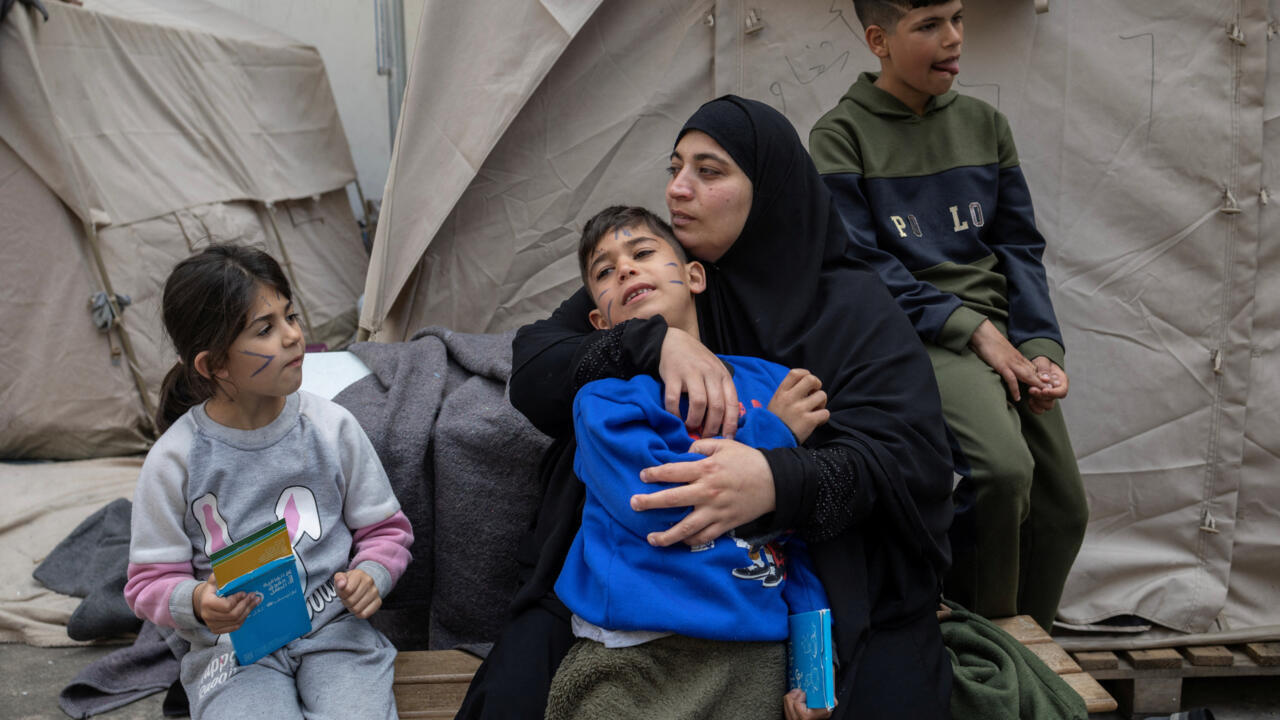
The Israeli airstrikes targeting areas in southern Lebanon on Sunday led to the death of 14 people, making it the bloodiest day since the ceasefire between Israel and Hezbollah took effect over a week ago. The Lebanese Ministry of Health reported that among the deceased were two women and two children, while 37 others were injured.
Simultaneously, both parties exchanged accusations of breaching the fragile truce. Israeli Prime Minister Benjamin Netanyahu stated that the Israeli army is targeting Hezbollah "with force," indicating that these operations are part of self-defense. For its part, Hezbollah, backed by Iran, confirmed its readiness to respond to what it termed Israeli "violations."
Details of the Incident
The ceasefire agreement was implemented on April 17 following a round of negotiations between the ambassadors of Lebanon and Israel in Washington. Initially, the agreement was set for ten days, but former U.S. President Donald Trump announced on the 23rd of the same month an extension for an additional three weeks after new discussions at the White House.
Israeli forces are positioned in what Tel Aviv refers to as the "Yellow Line," which extends approximately 10 kilometers deep along the border with Lebanon. Israeli authorities issued warnings to residents not to return to these areas, resulting in a significant movement of displaced persons towards the north.
Background & Context
These events occur amid escalating tensions between Israel and Hezbollah, with Israel accusing the group of dragging Lebanon into the regional war after it launched rockets at Israel on March 2 in response to the killing of Iran's Supreme Leader Ayatollah Ali Khamenei. These attacks were viewed as revenge for Khamenei's death on the first day of the U.S.-Israeli assault on Iran.
Netanyahu emphasized that his government operates according to the arrangements agreed upon with the United States, noting that these arrangements entail the freedom to respond to attacks and thwart threats. The text of the agreement published by the U.S. State Department indicated that Israel retains the right to take "all necessary measures to defend itself."
Impact & Consequences
Concerns are growing over the escalation of violence in the region, with reports indicating that the death toll since March 2 has exceeded 2,500 people, with more than 7,755 others injured. The United Nations has issued warnings about the worsening humanitarian situation in Lebanon, where residents are suffering from the ongoing conflict's consequences.
In this context, the United Nations Interim Force in Lebanon (UNIFIL) announced a memorial ceremony for an Indonesian soldier who died from injuries sustained due to an explosion caused by an Israeli tank shell, highlighting the risks faced by international forces in the region.
Regional Significance
The recent events in Lebanon are part of a broader landscape of tensions in the Middle East, where regional and international interests intersect. The escalation of violence between Israel and Hezbollah could have negative repercussions on stability in the region, raising concerns among neighboring Arab countries.
In conclusion, the situation in Lebanon remains tense, requiring international efforts to restore peace and stability amidst escalating tensions and mutual threats between the involved parties.