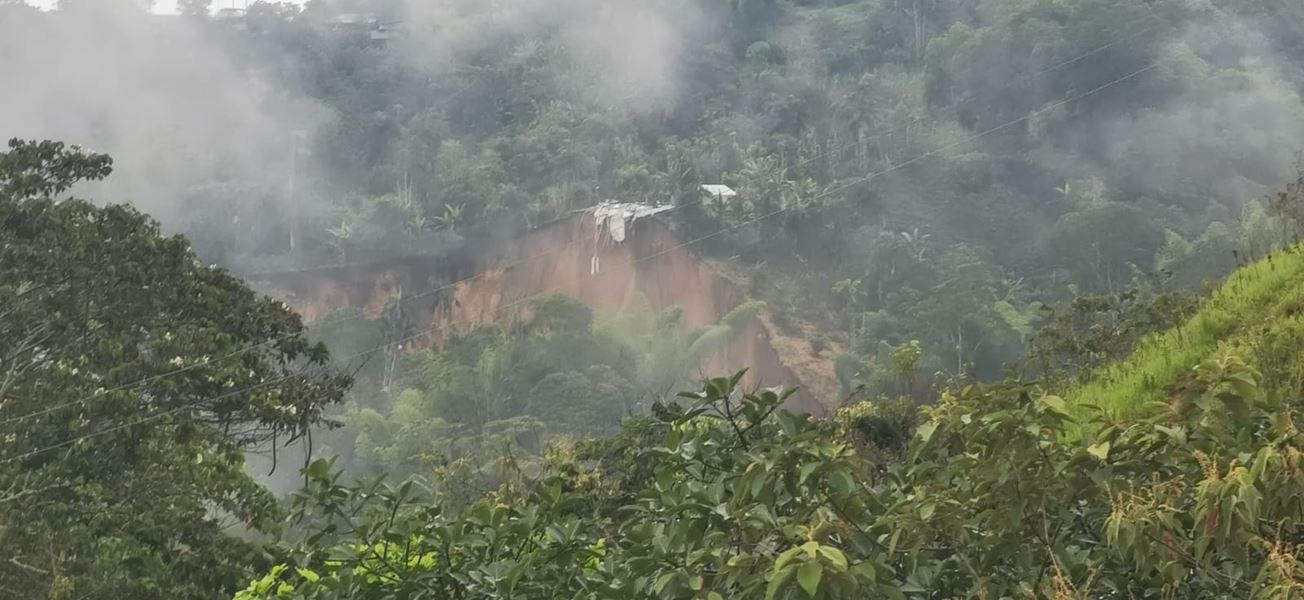
The Cauca region of Colombia witnessed a tragic incident when a bomb explosion claimed the lives of 20 individuals, including 15 women, and left 36 others injured. The explosion occurred on Sunday, April 25, when an explosive device planted in a sewer detonated as a rural bus, locally known as "Chiva," was traveling along the road.
The governor of Cauca, Octavio Guzmán, described the incident as "one of the most brutal attacks against civilians in the area in decades." He confirmed that among the victims were five men, while three of the injured remain in critical condition, although the condition of five children has improved.
Details of the Incident
The explosion took place in the Cauca region, which has been plagued by ongoing conflicts between armed groups. Reports suggest that the bomb may have been thrown at the bus before it detonated, increasing the extent of the destruction. The incident also resulted in the destruction of several other vehicles in the vicinity of the explosion.
Governor Guzmán announced a three-day mourning period and stated that memorial services for the victims will be organized in the coming days. He noted that the explosion created a large crater in the ground, estimated to be 200 cubic meters, necessitating efforts to repair the damaged road.
Background & Context
Historically, Colombia has experienced ongoing armed conflicts for decades, with various armed groups vying for control and influence. Factions such as the Revolutionary Armed Forces of Colombia (FARC) have been known for their use of violence against civilians, leading to numerous humanitarian tragedies. The recent incident reflects the continuation of this phenomenon and indicates the instability of the security situation in the country.
In recent years, the Colombian government has attempted to reach peace agreements with some armed groups, but tensions remain high. The latest explosion highlights the challenges the government faces in achieving security and stability in rural areas.
Impact & Consequences
The recent attack may lead to an escalation of tensions in the region, as armed groups may seek to carry out further attacks. This incident could also negatively impact the government's efforts to enhance security and provide protection for civilians, exacerbating the suffering of local populations.
The government is expected to implement heightened security measures in the affected areas, but questions remain about the effectiveness of these measures in addressing ongoing threats. Additionally, the incident could affect the relationships between the government and armed groups, complicating the security landscape in Colombia.
Regional Significance
Despite Colombia's distance from the Arab region, security events such as this demonstrate the challenges faced by nations in achieving security and stability. Armed conflicts are a global issue that impacts regional and international security, necessitating attention from the international community.
Arab nations should draw lessons from these events, as security stability is fundamental to development and prosperity. International cooperation in the fields of security and counter-terrorism is an urgent necessity to ensure the safety of peoples.