Diplomatic efforts to facilitate talks between the United States and Iran are ongoing, according to informed Pakistani sources. These efforts come at a time when military pressures from the United States are increasing, with the deadline set by President Donald Trump for initiating military operations against Iran approaching.
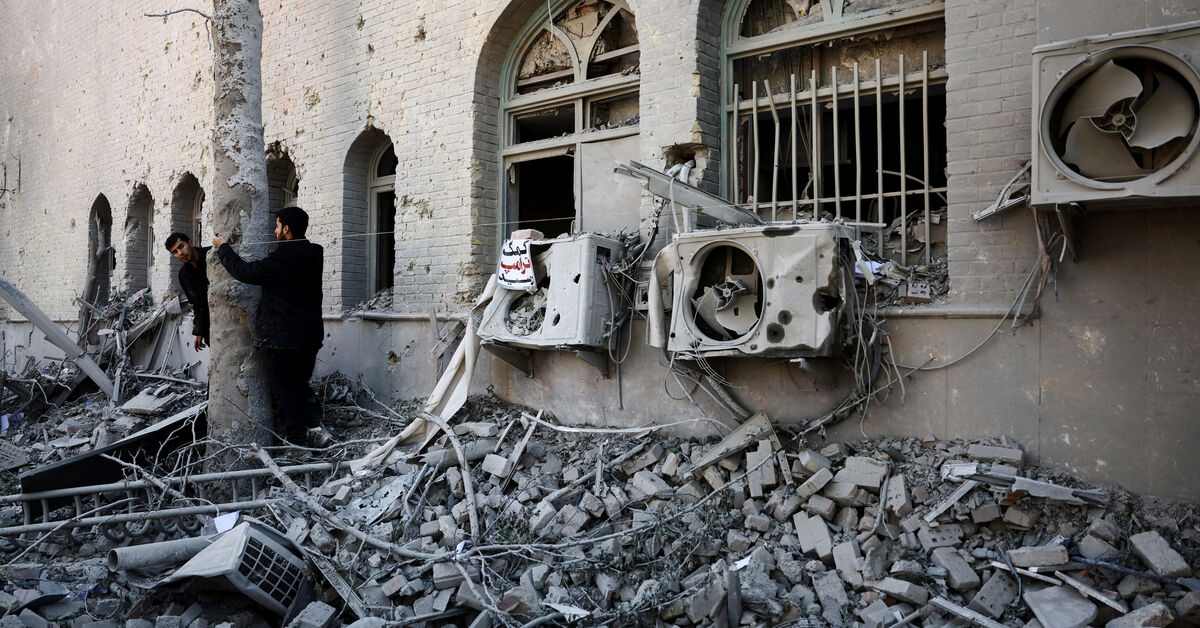
One source, a senior security official, indicated that the attack launched by Iran on industrial facilities in Saudi Arabia, which are linked to American companies, could jeopardize these talks. This military escalation reflects the increasing tensions between Tehran and Washington, complicating mediation efforts.
Details of the Situation
Reports indicate that the United States has intensified its military operations in the region, heightening tensions. The Iranian attack on Saudi facilities occurred at a sensitive time, as informal talks aimed at de-escalating tensions between the two sides were underway. These events raise questions about the future of US-Iran relations, especially in light of fiery statements from both sides.
There appears to be a division of opinion on how to deal with Iran. While some advocate for dialogue, others prefer military action. This division reflects the significant challenges facing the US administration in its foreign policy, particularly in the Middle East region.
Background & Context
Historically, US-Iran relations have been marked by severe tensions, especially since the Islamic Revolution in 1979. These tensions have led to the imposition of economic sanctions on Iran, significantly impacting its economy. In recent years, these tensions have notably escalated, particularly after the US withdrawal from the Iranian nuclear deal in 2018.
Saudi Arabia is considered one of the United States' key allies in the region and plays an important role in countering Iranian influence. Iranian attacks on Saudi facilities reflect the ongoing conflict between the two countries, which has wide-ranging implications for regional security.
Impact & Consequences
If military pressures continue, this could lead to a greater escalation in the conflict between the United States and Iran. Such escalation could negatively impact regional security and increase tensions in the Gulf region. Furthermore, the continuation of these conditions may affect oil prices and global financial markets.
On the other hand, successful talks could lead to a de-escalation of tensions, contributing to greater stability in the region. The success of these talks heavily relies on the political will from both sides and the ability of mediators to achieve tangible progress.
Regional Significance
The importance of these talks cannot be overstated, as they are vital to avoiding military escalation that could threaten regional stability. The outcomes of these negotiations will not only affect US-Iran relations but also have broader implications for the geopolitical landscape of the Middle East.
In conclusion, the ongoing diplomatic efforts are critical in navigating the complexities of US-Iran relations amid rising military tensions. The stakes are high, and the path forward requires careful consideration and strategic engagement from all parties involved.