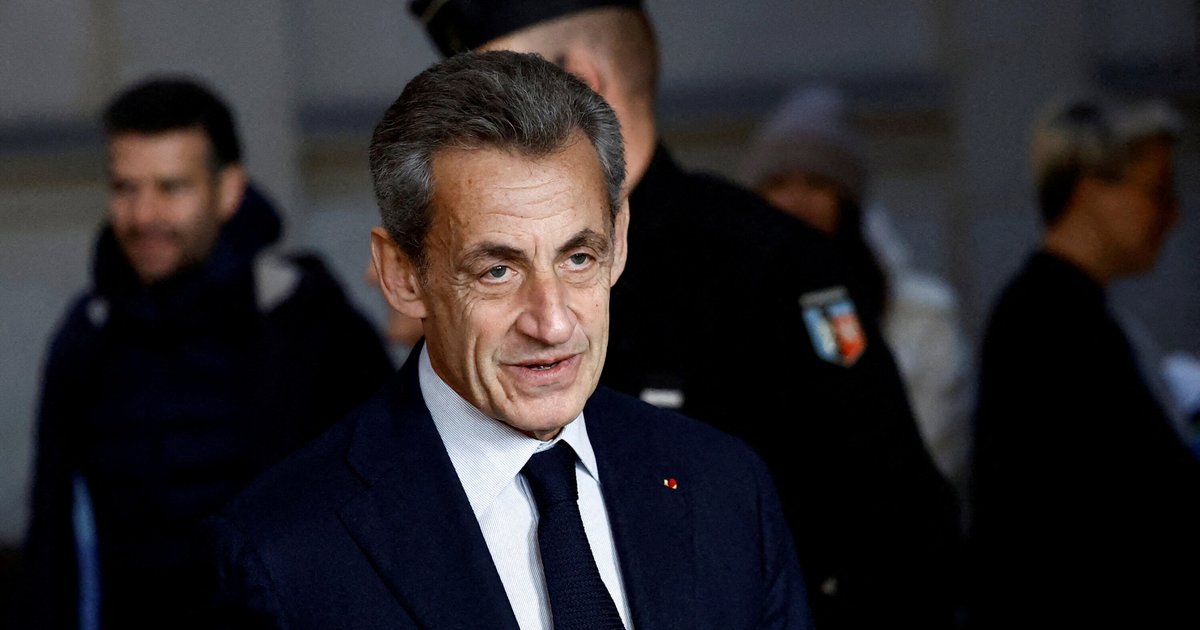
In a press conference held in Paris, former French President Nicolas Sarkozy declared that he owes the truth to his country as he attempts to appeal his conviction concerning the alleged funding of his electoral campaign by Libya. Sarkozy, who served as president from 2007 to 2012, affirmed his readiness to confront the charges against him.
The case dates back to 2011, when Sarkozy was accused of receiving illegal funding from the regime of Muammar Gaddafi during his 2007 electoral campaign. He was sentenced to three years in prison, with one year to be served, sparking widespread controversy in French political and legal circles.
Details of the Case
During the conference, Sarkozy denied receiving any funds from Gaddafi, asserting that these accusations are aimed at tarnishing his reputation. He emphasized that he would continue to defend himself in court, expressing confidence in his innocence and suggesting that this case is part of a political campaign against him.
These statements come at a time when pressure is mounting on Sarkozy, who is also facing other corruption-related cases, complicating his legal situation further.
Background & Context
Historically, the relationship between France and Libya has been complex, characterized by close cooperation during Gaddafi's rule with previous French governments. However, Gaddafi's downfall in 2011 led to a radical shift in these relations, with issues of corruption and illegal funding becoming a major focus in the French political arena.
The fallout from these events has continued to resonate, as the political landscape in France grapples with the implications of such allegations against a former head of state.
Impact & Consequences
Sarkozy's conviction represents a significant blow to French politics, raising concerns about the integrity of the electoral process. This case may also influence the future of political parties in France, potentially prompting voters to demand greater transparency and accountability from politicians.
The ramifications of this case extend beyond Sarkozy himself, as they could reshape the political discourse in France, leading to increased scrutiny of campaign financing and political ethics.
Regional Significance
The implications of Sarkozy's situation are not limited to France alone; they reflect broader issues of governance and accountability in the region. As political leaders face similar challenges, the need for reform in political financing and transparency becomes increasingly urgent.
In conclusion, the legal battles faced by Sarkozy highlight the ongoing struggle for integrity in politics, as well as the public's demand for accountability from their leaders.