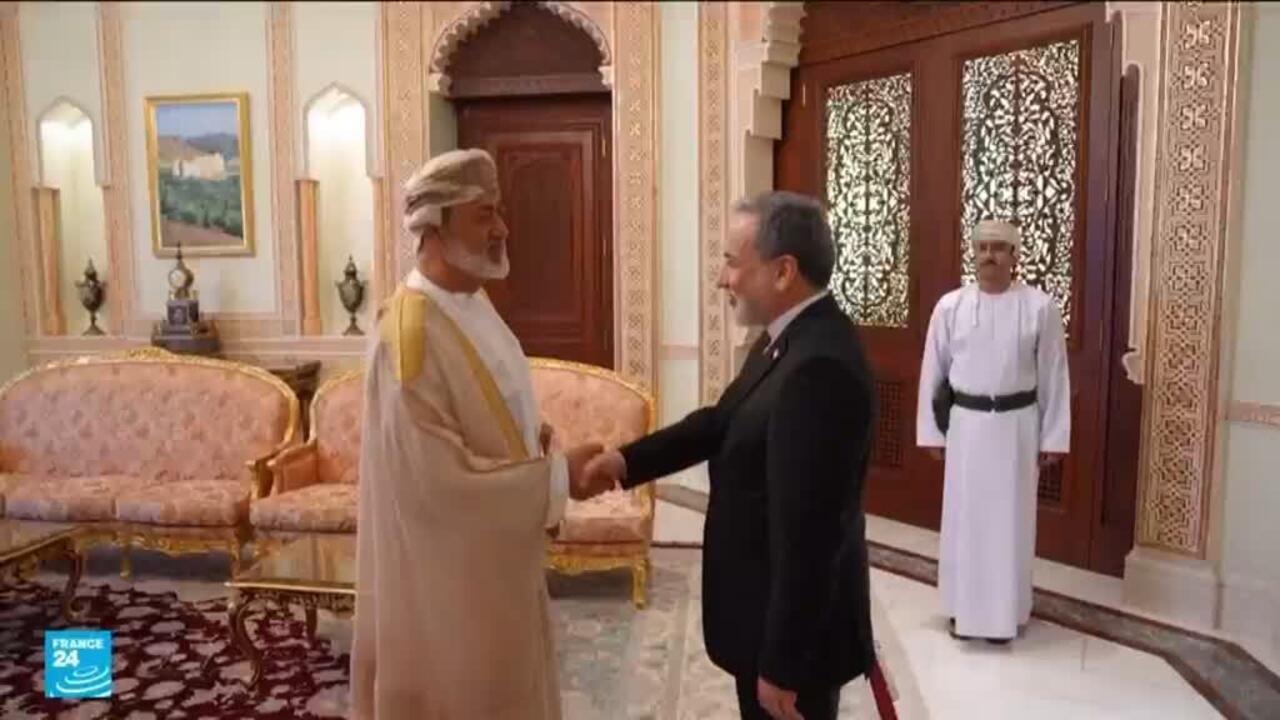
Iranian Foreign Minister Abbas Araghchi arrived in Saint Petersburg, Russia, on Monday, as part of Iran's efforts to enhance its diplomacy amid stalled talks with Washington. Araghchi came from Islamabad after a brief visit to Muscat, reflecting his intense diplomatic activity in the region.
Araghchi's agenda includes discussions with Russian President Vladimir Putin, where the talks are expected to focus on strengthening bilateral relations between Iran and Russia, as well as urgent regional issues. This visit comes at a sensitive time, as tensions between Iran and the United States escalate, making dialogue with major powers essential for Tehran.
Details of the Visit
Araghchi's visit to Russia is part of Iran's efforts to bolster its strategic alliances, especially amid the economic and political pressures it faces. Iran seeks to enhance its relations with Moscow, which is a key partner in many regional issues, including the conflict in Syria and tensions in the Persian Gulf.
The discussions with Putin will also address issues related to the Iranian nuclear agreement, which has seen a decline in negotiations since the United States withdrew from the deal in 2018. Iran aims to gain Russian support in the face of Western pressures, making these talks highly significant.
Background & Context
Historically, Iran and Russia have enjoyed close relations, particularly in the fields of energy and security. As tensions with the West increase, these relations have become more crucial for Tehran. Russia also plays an important role in supporting Iran in international forums, strengthening its position against Western sanctions.
In recent years, Iranian-Russian relations have seen notable developments, with several agreements signed in the fields of energy and trade. This dynamic reflects a shift in regional policy, as Iran seeks to enhance its role as an independent regional power.
Impact & Consequences
Araghchi's visit to Russia is a strategic move aimed at strengthening Iran's position in the face of regional and international challenges. By enhancing relations with Moscow, Iran hopes to gain greater support in international forums, which could influence the course of nuclear negotiations.
This visit may also affect the balance of power in the region, as Iran seeks to strengthen its alliances with major countries to counter Western pressures. This could lead to changes in regional dynamics, especially amid increasing tensions in the Persian Gulf.
Regional Significance
The Iranian-Russian relations are of great importance to the Arab region, as they may influence political and security balances. Amid rising tensions between Iran and Arab states, these relations could either escalate conflicts or create new opportunities for dialogue.
Furthermore, the strengthening of ties between Iran and Russia may raise concerns among some Arab countries, particularly those feeling threatened by Iran's growing influence. It is crucial for Arab states to closely monitor these developments, as they may impact their future security and political strategies.
In conclusion, the Iranian Foreign Minister's visit to Russia reflects Tehran's efforts to enhance its diplomacy under current circumstances. As tensions with the United States continue, relations with Russia remain a central focus in Iran's regional and international strategy.