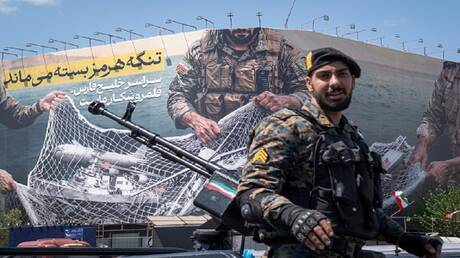
Abbas Goudarzi, spokesperson for the Iranian Parliament's leadership, emphasized that all branches of the system are working as 'one hand' to face external threats, highlighting the absence of any internal disputes. These statements come at a time when Iran is facing significant internal and external challenges that require greater cohesion among authorities.
Pressure on Iran is increasing due to economic sanctions imposed by Western countries, along with regional tensions that necessitate a unified response from all state institutions. Goudarzi pointed out that unity among the various branches of the Iranian system is an urgent necessity to confront these challenges.
Details of the Event
Goudarzi's statements were made in the context of discussing the current political situation in the country, where he confirmed that all institutions, including the Parliament and the government, are working in complete coordination. He also noted that any talk of internal disputes is merely baseless rumors.
At the same time, Iran is facing increasing pressure from the United States and its allies, which heightens the importance of national unity. Goudarzi urged all parties to focus on national interests rather than being swayed by rumors aimed at destabilizing the country.
Background & Context
Historically, Iran has experienced periods of internal and external tension, where disputes among the various branches of the system have emerged during crises. However, recent statements reflect a clear desire to strengthen national unity in the face of escalating challenges.
Since the Islamic Revolution in 1979, Iran has faced numerous crises, ranging from regional wars to economic sanctions. This historical background makes it essential for all state institutions to maintain cohesion to address current crises.
Impact & Consequences
Unity among the branches of the Iranian system is a critical factor in enhancing internal stability. Any division or disputes could exacerbate economic and social conditions, increasing the suffering of the Iranian people.
Emphasizing unity may also help improve Iran's image on the international stage, as the regime seeks to bolster its position against external pressures. This could positively reflect on relations with some countries looking to improve ties with Iran.
Regional Significance
The situation in Iran significantly impacts security and stability in the Arab region. Any internal tension could lead to negative repercussions for neighboring countries, especially amid existing tensions in Iraq and Syria.
Iranian unity could strengthen its position in regional conflicts, potentially affecting political balances in the area. Therefore, any discussion of internal disputes may be seen as a threat to regional stability.
In conclusion, Goudarzi's statements reflect the Iranian regime's desire to enhance unity in the face of growing challenges. Given the current circumstances, the question remains about the regime's ability to maintain this unity in the face of internal and external pressures.