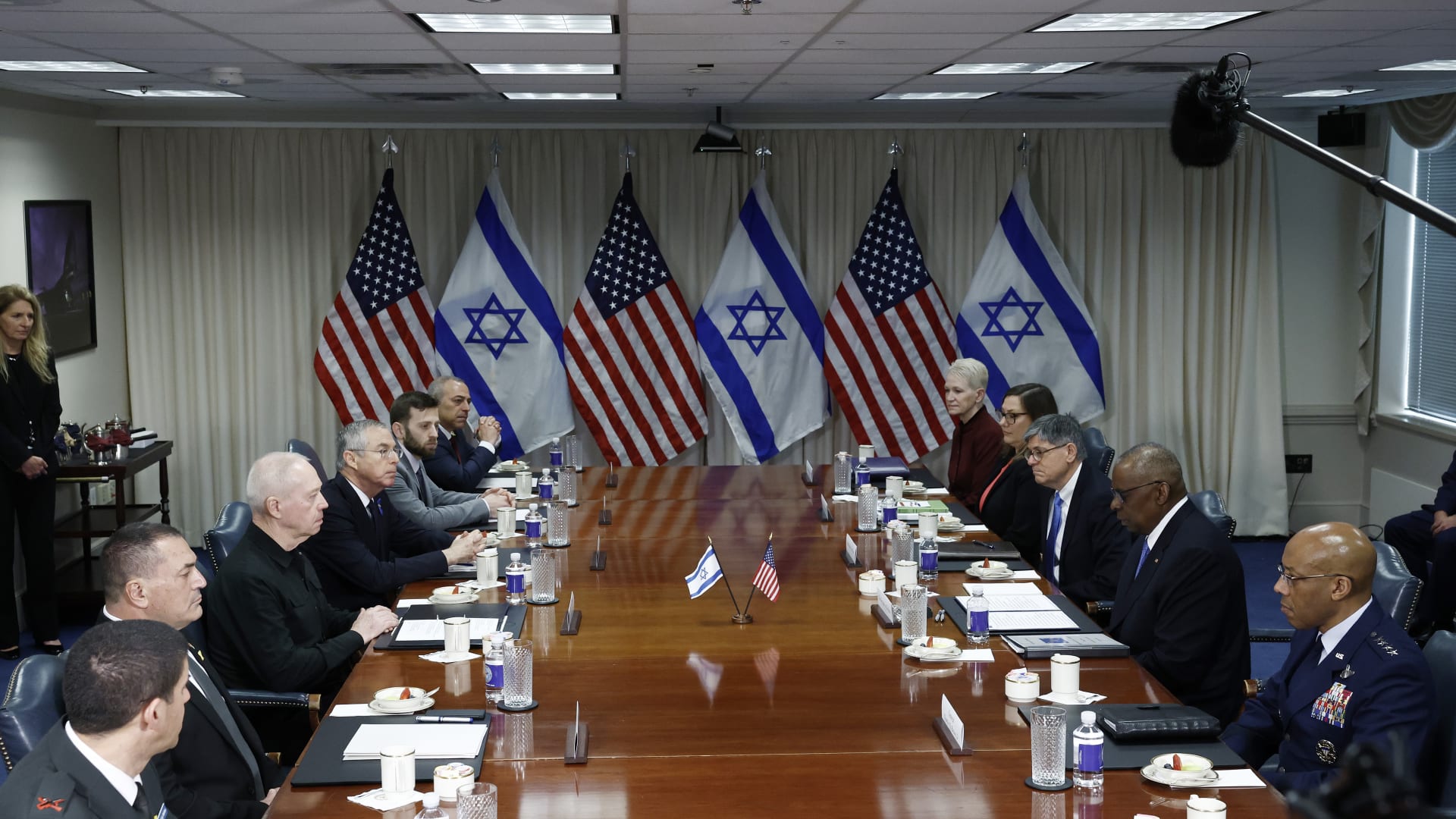
A comprehensive meeting was held between the foreign ministers of Pakistan, Saudi Arabia, Egypt, and Turkey in Islamabad, where they addressed ways to end the ongoing conflict in the Middle East. This meeting took place at a critical time that requires effective diplomatic moves from the concerned countries.
The Pakistani foreign minister confirmed that the discussions were detailed and comprehensive, with opinions exchanged on how to achieve peace and stability in the region. This meeting is part of the ongoing efforts by these countries to enhance regional cooperation and achieve security in the Middle East.
Event Details
The meeting, which took place last Sunday, saw the participation of the four foreign ministers, focusing on the political and economic dimensions of the conflict in the region. Key issues affecting regional security were addressed, including armed conflicts and humanitarian crises.
The importance of enhancing dialogue among the conflicting parties was also discussed, with ministers emphasizing the need to find peaceful solutions that guarantee the rights of all parties involved. The significant role that major powers can play in supporting these efforts was also highlighted.
Background & Context
Historically, the Middle East has witnessed numerous armed conflicts that have exacerbated humanitarian and political crises. For decades, there have been multiple attempts to achieve peace, yet situations remain tense in many areas, such as Palestine, Syria, and Yemen.
Pakistan, Saudi Arabia, Egypt, and Turkey are considered active players in the region, each playing an important role in regional politics. In recent years, there have been intense diplomatic moves by these countries to reach solutions for ongoing crises.
Impact & Consequences
These discussions come at a critical time, as international pressure increases to end conflicts in the Middle East. The success of these efforts could lead to improved humanitarian conditions in the region and enhance political and economic stability.
Moreover, these discussions may open new avenues for cooperation between Arab countries and others, contributing to the formation of strategic alliances that bolster regional security.
Regional Significance
Although the meeting took place in Islamabad, its outcomes will directly affect Arab countries. Achieving peace in the Middle East means improving economic and social conditions in Arab nations, enhancing opportunities for cooperation among these countries.
Ultimately, hopes remain pinned on these discussions to yield tangible results, as peace in the Middle East is not just a goal but a pressing necessity to ensure a better future for upcoming generations.