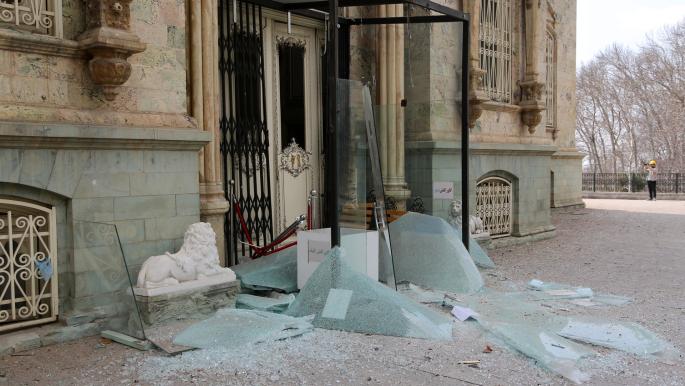
The University of Chicago has recently launched an interactive map that highlights the damage inflicted on 70 archaeological sites in Iran as a result of armed conflicts. This map serves as an important tool for understanding the negative impacts of wars on cultural heritage, with official Iranian figures indicating that the damage may be greater than what the university has documented.
This initiative comes at a time when concerns about the preservation of historical sites in conflict zones are increasing, emphasizing the cultural and historical significance of these sites as part of the national identity of the peoples involved.
Details of the Initiative
The interactive map prepared by the University of Chicago is based on accurate data collected from various sources, including local and international reports. It has been designed as an interactive tool that allows visitors to understand the extent of damage to archaeological sites and how conflicts affect cultural heritage. The affected sites include well-known historical areas, raising further concerns about the loss of cultural identity.
The map includes detailed information about each site, including images and historical details, which helps researchers and interested parties to study the implications of conflicts more deeply.
Background & Context
Historically, Iran has witnessed numerous armed conflicts that have significantly impacted its cultural heritage. From ancient wars to modern disputes, archaeological sites have always been vulnerable to destruction. In recent years, the intensity of conflicts in the region has increased, leading to a deterioration of the cultural situation in the country.
Iran is considered one of the oldest civilizations in the world, housing many archaeological sites listed as UNESCO World Heritage Sites. However, ongoing conflicts threaten this cultural legacy, highlighting the urgent need to protect these sites.
Impact & Consequences
The effects of conflicts extend beyond the physical damage to archaeological sites; they also impact the cultural identity of the peoples involved. The loss of cultural heritage signifies a loss of part of the national identity, which can lead to serious social and psychological repercussions for affected communities.
Moreover, the destruction of archaeological sites can negatively affect tourism, which is an important source of revenue for many countries. Therefore, protecting cultural heritage must be a priority in any post-conflict reconstruction plan.
Regional Significance
The situation in Iran exemplifies the challenges faced by many Arab countries in preserving their cultural heritage. Armed conflicts in the region, such as those witnessed in Syria and Iraq, have demonstrated how wars can lead to the destruction of archaeological sites.
Preserving cultural heritage in the Arab region requires coordinated efforts from governments and international organizations to protect archaeological sites from destruction. Additionally, there must be an increased awareness of the importance of cultural heritage as part of national identity.
In conclusion, the interactive map launched by the University of Chicago stands out as an important tool for understanding the damage inflicted on cultural heritage in Iran. This tool should serve as a call to action to protect archaeological sites throughout the region, ensuring that no more cultural heritage, which is an essential part of human identity, is lost.