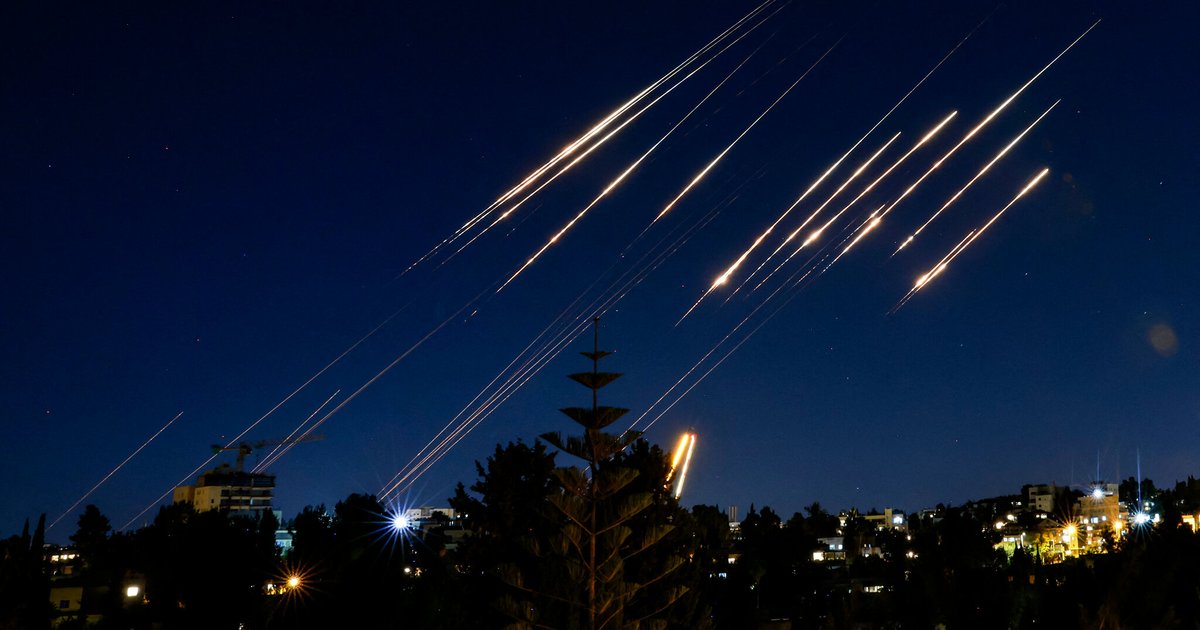
The Bahrain Defense Force announced on Saturday that its air defense systems successfully intercepted and destroyed 174 missiles and 385 drones since the beginning of Iranian attacks. These operations come amid escalating tensions in the region, as Bahrain seeks to bolster its security and stability.
These figures indicate the level of threats faced by Bahrain, as Iranian assaults have increased recently, prompting the Bahraini leadership to take precautionary measures to protect its airspace and national interests.
Details of the Operations
Reports indicate that Bahraini air defense systems employed advanced technologies to counter these attacks, reflecting Bahrain's capability to protect its territory. These operations were carried out at various times, with drones and missiles being detected before reaching their targets.
These developments occur within a rapidly escalating context of regional tensions, as Iranian military activities have increased, raising concerns among Gulf Arab states. Bahrain, a key ally of the United States, continues to enhance its defensive capabilities to address these challenges.
Background & Context
The Arabian Gulf region has witnessed increasing tensions for several years, with conflicts rising between Iran and Gulf states. These tensions have led to heightened military preparations, as nations strive to protect their national interests.
Bahrain, which hosts the U.S. Fifth Fleet, is part of military alliances aimed at countering Iranian threats. The country has experienced several missile and drone attacks in recent years, prompting it to strengthen its air defenses.
Impact & Consequences
The ongoing Iranian assaults on Bahrain could lead to greater military escalation in the region, threatening regional stability. Additionally, these events may affect relations between Gulf states and Iran, potentially increasing tensions.
Furthermore, these developments could impact the Bahraini economy, as any military escalation may lead to a decline in investments and tourism, adversely affecting economic growth.
Regional Significance
The events in Bahrain serve as an indicator of broader regional tensions in the Middle East. The conflict between Iran and Gulf Arab states can impact security and stability in other countries in the region, such as Iraq and Syria.
Moreover, these developments may prompt a reassessment of defense and security strategies in other Arab countries, as all nations seek to enhance their capabilities to confront potential threats.
In conclusion, Bahrain remains on alert to face security challenges, striving to maintain its safety and stability amid changing conditions in the region.