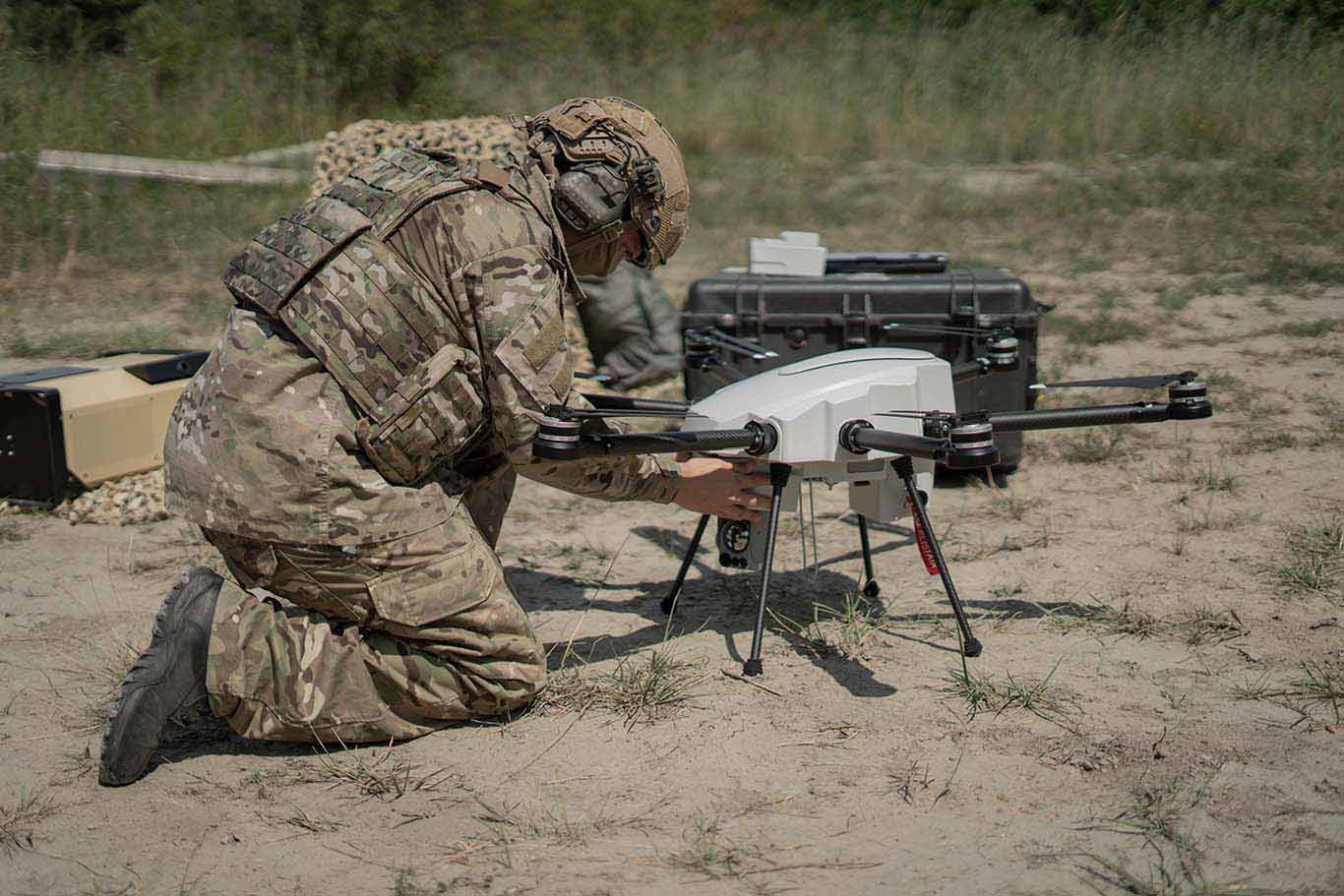
In a recent operation, the relevant forces successfully intercepted and destroyed four drones, reflecting a high level of readiness and security vigilance. This action comes amid increasing aerial threats, as authorities strive to protect national airspace and ensure the safety of citizens.
These operations are part of ongoing efforts to address the security challenges facing the region. Official sources confirmed that these operations were successfully executed, demonstrating the efficiency of the forces and their capacity to handle escalating threats.
Details of the Incident
In the past hours, the relevant forces detected unusual movements of drones in the airspace, prompting immediate action. The interception and destruction operations were carried out using advanced technologies, which contributed to reducing potential risks to national security.
These operations occur at a sensitive time, as tensions in the region have increased, highlighting the importance of security vigilance. Reports indicated that these drones were likely aimed at conducting espionage or offensive operations, necessitating an immediate response.
Background & Context
Historically, the region has witnessed a rise in the use of drones in armed conflicts, becoming a key tool in modern warfare. Various parties have employed these drones in regional conflicts, complicating the security landscape.
In recent years, many countries have developed their drone capabilities, leading to an increase in aerial threats. Therefore, countering these threats has become an urgent necessity to maintain security and stability in the region.
Impact & Consequences
The interception and destruction of these drones represent a significant step towards enhancing national security, reflecting the forces' ability to confront increasing threats. Additionally, these operations may provoke reactions from concerned parties, potentially escalating tensions in the region.
These events could impact relationships between countries in the region, as some parties may seek to bolster their military capabilities in response to perceived threats. Furthermore, these operations may raise international concerns regarding the escalation of conflicts in the area.
Regional Significance
These events occur at a critical time for the Arab region, where many countries are facing increasing security challenges. Addressing aerial threats is part of broader efforts to enhance security and stability in the area.
It is crucial for Arab nations to collaborate in facing these challenges, as collective security is fundamental to achieving stability. Strengthening military capabilities and security cooperation among Arab countries can contribute to reducing risks and achieving peace.