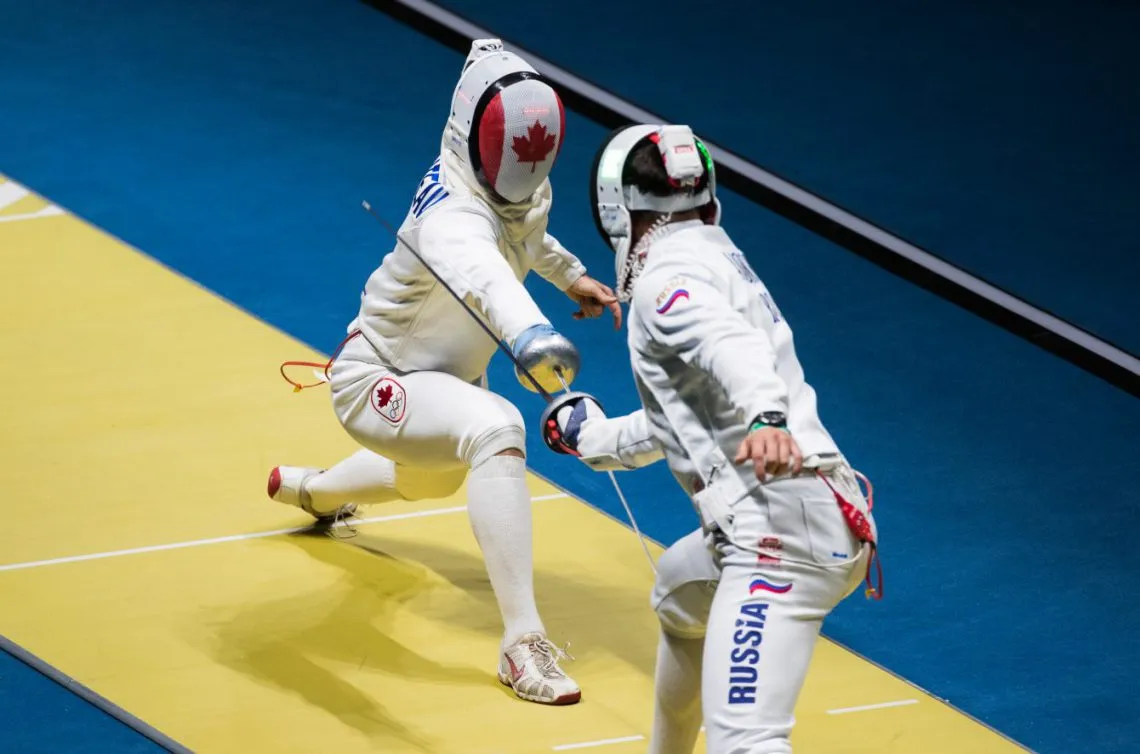
The International Fencing Federation has categorically denied recent rumors about the potential exclusion of fencing from the upcoming Olympic Games. In an official statement, the federation confirmed that the sport will remain a core part of the Olympic program, emphasizing its commitment to supporting and developing fencing globally.
These statements come at a time when fencing is experiencing increased interest, especially with the approaching Olympic Games. The rumors had sparked concern among athletes and coaches who were looking forward to competing in this major sporting event.
Event Details
In an official statement, the International Fencing Federation clarified that all national federations should focus on preparing for the Olympics, and any discussions about the exclusion of the sport are unfounded. It also noted that there are plans to enhance the level of competitions and expand the participant base in fencing.
The next Olympic Games are scheduled to take place in Paris in 2024, where many countries are looking to achieve new milestones across various sports, including fencing. The federation has expressed its full readiness to provide technical and logistical support to participating athletes.
Background & Context
Historically, fencing has been an important part of the Olympic Games since 1896, witnessing significant evolution over the years. However, the sport has occasionally faced criticism regarding its rules and governance, leading to rumors about its future in the Olympics.
In recent years, the International Federation has worked to promote fencing through organizing world championships and developing training programs for coaches and athletes. This effort reflects the federation's commitment to expanding the participant base and enhancing the level of competition.
Impact & Consequences
The International Fencing Federation's denial of the rumors may help alleviate concerns among athletes and fans, boosting confidence in the stability of the sport. Additionally, this statement could encourage more youth to engage in fencing, potentially leading to an increase in participants in future competitions.
Furthermore, the stability of fencing in the Olympics could enhance its status on the international stage, contributing to attracting more investments and sponsorships for local and international tournaments.
Regional Significance
Fencing is considered one of the popular sports in several Arab countries, with many athletes participating in regional and international competitions. The stability of the sport in the Olympics could open new horizons for Arab athletes, enhancing their chances of competing for medals.
Moreover, the support from the International Fencing Federation may encourage Arab countries to develop training and educational programs in this sport, contributing to improving athletic performance in the region.
In conclusion, the International Fencing Federation's denial of the rumors represents a positive step that reflects its commitment to supporting fencing, enhancing opportunities for athletes to compete and achieve success on international platforms.