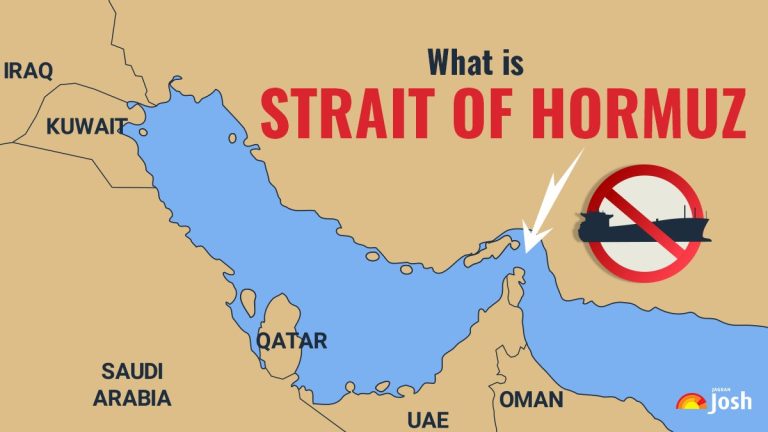
British Foreign Secretary Yvette Cooper convened an international meeting with representatives from 40 countries, emphasizing the urgent need to reopen the Hormuz Strait immediately and unconditionally. This meeting occurs at a sensitive time, as tensions in the region escalate, impacting global shipping and trade.
The Hormuz Strait is a vital strategic point, through which approximately 20% of the world's oil passes. Recently, the region has witnessed an escalation in military activities, raising concerns about maritime safety.
Details of the Meeting
The participating countries gathered in the British capital, London, to exchange views on the current situation in the Hormuz Strait. Cooper highlighted the importance of international cooperation to ensure maritime safety, noting that any threat to shipping in this area affects the global economy as a whole.
The challenges faced by countries in the region were also discussed, including Iranian activities that impact maritime stability. Participants in the meeting called for urgent steps to ensure the strait is open for shipping traffic.
Background & Context
Historically, the Hormuz Strait has been a critical transit point for oil and has experienced numerous crises in the past. In 2019, tensions escalated between Iran and the United States, leading to the seizure of oil tankers in the area. These events significantly impacted oil prices and global energy markets.
Western countries, led by the United Kingdom, are seeking to enhance security in the region by forming international alliances. Such meetings represent an opportunity to unify efforts to address the security challenges facing navigation in the Hormuz Strait.
Impact & Consequences
The meeting is expected to have a significant impact on international relations in the region. If Iran responds positively to the demands of the participating countries, it could lead to a de-escalation of tensions and enhanced security in the Hormuz Strait. However, if Iran maintains its stance, the conflict may escalate, negatively affecting the global economy.
Moreover, the stability of navigation in the Hormuz Strait is vital for oil-producing Arab countries, many of which rely on exporting oil through this strait. Any disruption in shipping traffic could lead to increased oil prices, impacting the global economy.
Regional Significance
Arab oil-producing countries, such as Saudi Arabia and the UAE, are among the largest beneficiaries of stability in the Hormuz Strait. Any escalation in tensions could affect their exports, negatively reflecting on their economies.
Furthermore, regional stability is crucial for regional security. Any military escalation could have serious repercussions for neighboring countries, necessitating international cooperation to ensure peace and security in the area.
The meeting convened by the British Foreign Secretary represents an important step towards enhancing security in the Hormuz Strait. It remains to be seen how Iran will respond to these demands and whether it will lead to an improvement in the regional situation.