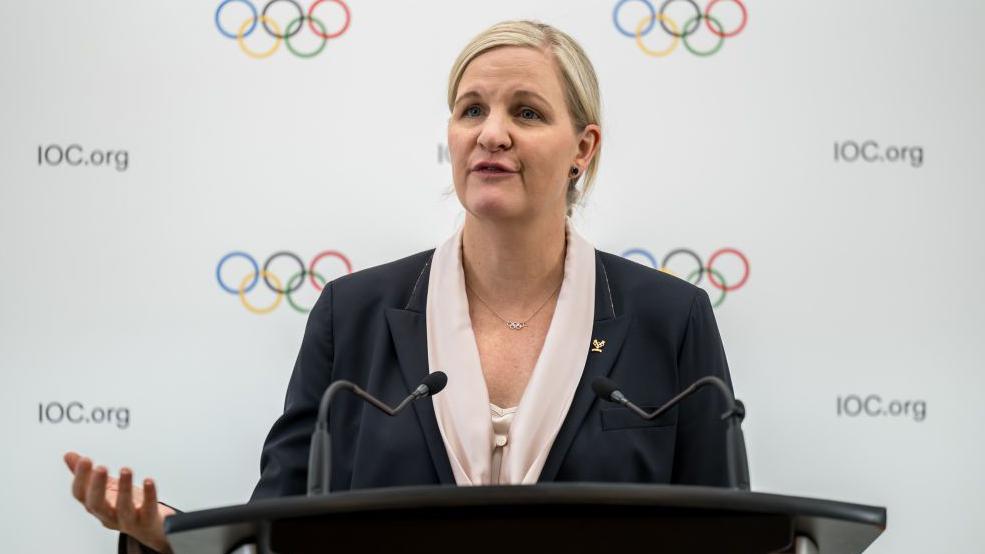
The International Olympic Committee has announced that women's sports in the Olympics will be restricted to biological females starting in 2028. This decision is part of the committee's efforts to ensure fairness and equality in sports competitions, raising questions about its impact on athletes with diverse gender identities.
The decision comes after a series of discussions and controversies surrounding the participation of transgender athletes in women's categories, where the committee deemed that maintaining equal opportunities in sports competitions is essential. The President of the International Olympic Committee, Thomas Bach, indicated that this decision reflects the committee's commitment to achieving justice in sports.
Details of the Decision
In recent years, global sports have witnessed increasing debate over the participation of transgender athletes, prompting many sports organizations to reevaluate their policies. The International Olympic Committee, considered the supreme authority in world sports, made this decision after consultations with experts in medical and social fields. It has been emphasized that the decision is based on research indicating that biological differences between genders can affect athletic performance.
This decision is expected to impact many female athletes who have previously participated in the Olympics, as competitors with diverse gender identities will need to seek alternative categories for competition. Additionally, this decision may elicit mixed reactions from the sports community and fans.
Context and Background
Historically, women's sports have faced significant discrimination, with women not being given sufficient opportunities to compete at high levels. Over time, many countries began to support women's sports and encourage girls to participate in various games. However, the issue of gender identity in sports remains a sensitive and complex topic, intertwining social and cultural issues.
In recent years, some countries have started to implement policies allowing transgender athletes to compete, leading to debates over whether these policies are fair. Some studies have shown that transgender athletes may possess biological advantages that affect their performance, prompting the International Olympic Committee to make this decision.
Consequences and Implications
This decision is expected to have a significant impact on women's sports worldwide. It may lead to a reduction in the number of participants in women's categories, potentially affecting the level of competition and interest in women's sports overall. Furthermore, this decision could provoke reactions from human rights advocacy groups, who may view it as discrimination against transgender athletes.
Moreover, this decision may cause divisions within the sports community, as differing opinions will emerge regarding the fairness of this decision. Some athletes may see this decision as protecting their rights, while others may consider it discrimination against them.
Impact on the Arab Region
In the Arab region, this decision may have multiple implications. While some Arab countries are making progress in supporting women's sports, significant challenges still face women in this field. This decision may enhance the discussion about women's rights in sports and encourage the development of more inclusive policies that support women's participation across all categories.
Additionally, this decision may open the door for broader dialogue about gender identity in sports in the Arab world, where calls for equality and justice are increasing across all fields. It is essential to address these issues with sensitivity and a deep understanding of the challenges women face in the region.