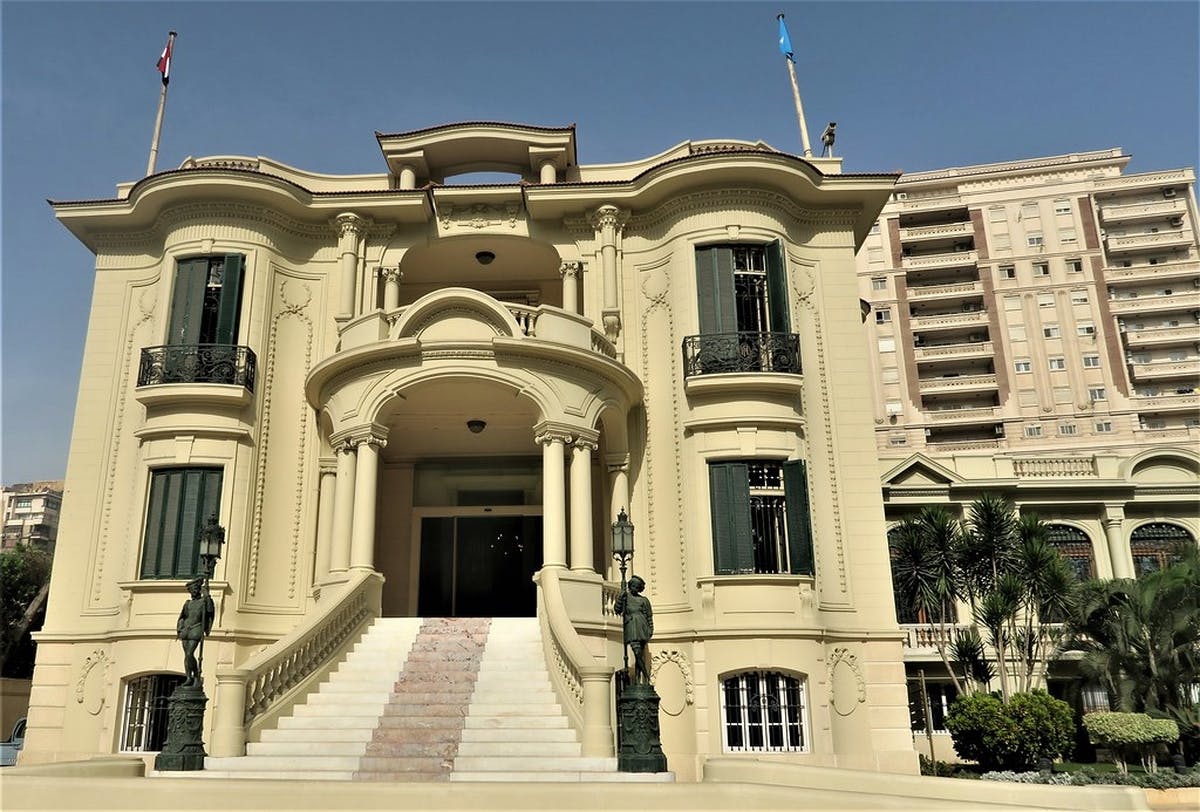
The Royal Jewelry Museum in Alexandria has announced the introduction of QR Code technology for its displayed artifacts, marking a new step in the presentation of cultural heritage. This technology will enable visitors to obtain detailed information about each artifact simply by scanning the code with their smartphones.
This initiative is part of the museum's efforts to enhance visitor experience and provide accurate and quick information about the history of the artifacts. It is expected that this step will attract more visitors, especially among the youth who prefer using technology to explore cultural landmarks.
Event Details
The displayed artifacts at the museum include a collection of royal jewelry from different eras, with each piece representing a part of Egypt's rich history. With the introduction of QR Code, visitors will be able to learn details such as the date of the piece, the materials used in its creation, and its cultural significance.
The Royal Jewelry Museum is considered one of the most prominent tourist attractions in Alexandria, housing a unique collection of jewelry belonging to the Muhammad Ali family. The introduction of this modern technology represents a shift in how visitors interact with cultural heritage.
Background & Context
Royal jewelry is an integral part of Egypt's history, reflecting the luxury and wealth enjoyed by ruling families. The museum was established in 2000 with the aim of preserving this heritage and passing it on to future generations. The introduction of modern technology such as QR Code reflects a global trend towards using digital innovations in museums.
In recent years, many museums around the world have undergone digital transformations, utilizing apps and digital codes to enhance visitor experiences. This step in Alexandria reflects Egypt's commitment to preserving its cultural heritage and presenting it in a contemporary manner.
Impact & Consequences
This initiative is expected to positively impact cultural tourism in Alexandria, attracting more local and international visitors. It will also contribute to increasing cultural awareness among the youth, potentially leading to greater interest in Egyptian cultural heritage.
This step is also a model for other museums in Egypt, as it could encourage the adoption of similar technologies to improve visitor experiences and increase interaction with exhibits.
Regional Significance
This initiative is part of broader efforts to promote culture and heritage in the Arab region. With the growing interest in cultural tourism, this step could inspire other museums in Arab countries to adopt modern technologies that enhance visitor experiences.
In light of the challenges facing the region, such as economic and political crises, cultural tourism could serve as a means to bolster economic and social stability, making it essential to invest in the development and modernization of museums.