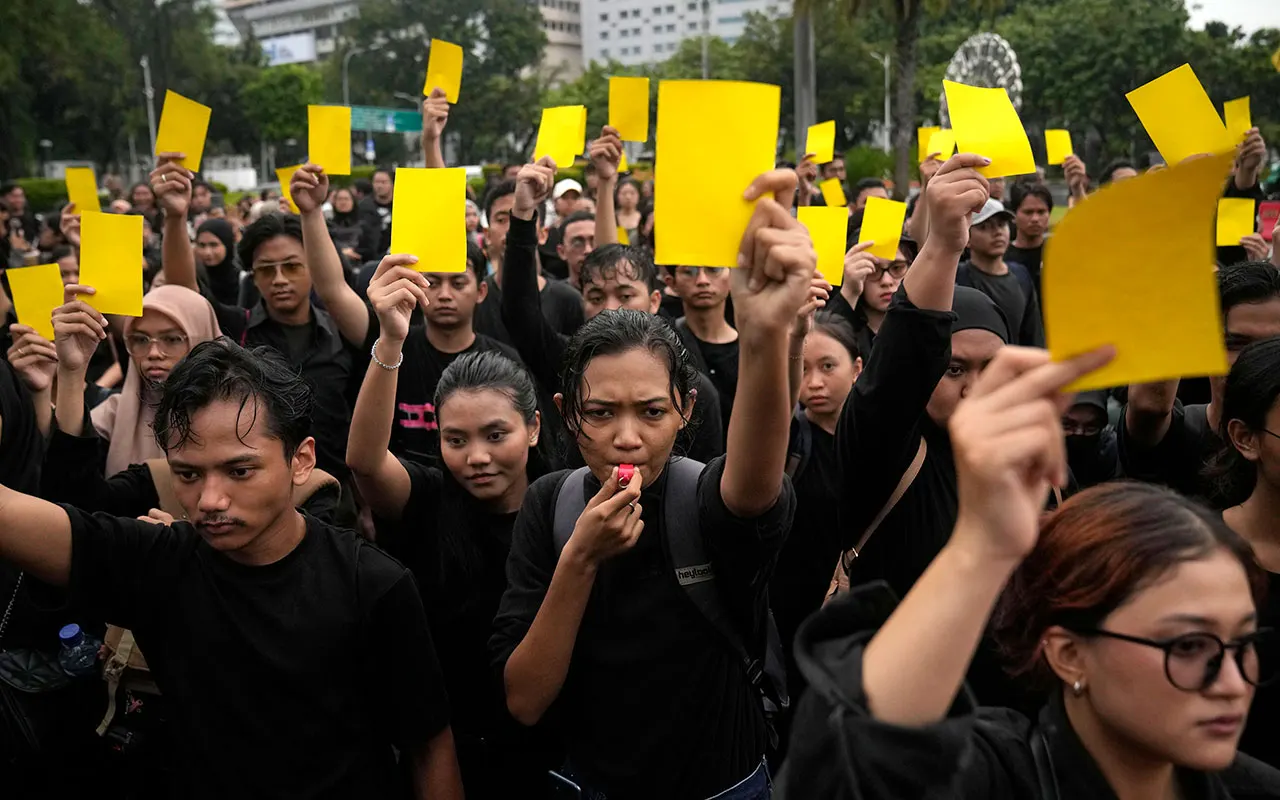
In an urgent move, the Indonesian Deputy Minister of Labor, Afriansyah Noor, announced the sending of a team to investigate allegations of delayed salary and bonus payments for employees of Helicon Jay Shakti, which operates in the North Morowali region. Noor indicated that many employees have not received their salaries since February, including bonuses for the Eid al-Fitr holiday of 2026.
This announcement came after the ministry received information indicating that hundreds of workers at the Helicon site had not received their financial entitlements, raising widespread concerns about workers' rights in the country. Noor confirmed that the ministry would verify this information through a specialized internal team.
Details of the Incident
The Deputy Minister reported that the ministry would communicate with the company in question to verify the accuracy of the circulating information. He emphasized that any delay in salary and bonus payments constitutes a violation of workers' rights, and the government would take necessary actions to ensure their rights are upheld.
Noor also noted that the government expects companies to adhere to timely salary and bonus payments, and any shortcomings in this regard would face strict penalties. Workers have expressed their concerns about not receiving their dues on time, which affects their daily lives.
Background & Context
Workers' rights in Indonesia are a sensitive topic, as the country has witnessed numerous protests and demands for improved working conditions in recent years. Many workers suffer from delayed salary payments, raising questions about companies' compliance with labor laws.
Founded in 2010, Helicon Jay Shakti operates in the construction sector and has previously faced criticism regarding working conditions. With increasing pressure from the government and civil society, it seems the company is facing new challenges in maintaining its reputation.
Impact & Consequences
This issue could have serious repercussions for Helicon's reputation, potentially affecting its ability to attract new workers or retain current employees. Additionally, failure to pay salaries on time may lead to increased labor protests, putting the government in a difficult position.
This case also serves as a test of the government's commitment to protecting workers' rights, as many expect the ministry to take stringent actions against companies that do not comply with the laws. If effective measures are not taken, protests and demands for improved working conditions in the country may escalate.
Regional Significance
Workers' rights are also a significant issue in many Arab countries, where several nations face similar challenges in this area. This case in Indonesia may serve as a lesson for Arab countries on the importance of protecting workers' rights and ensuring timely salary payments.
Strengthening workers' rights can contribute to improving social and economic stability in the region, positively impacting growth and development.