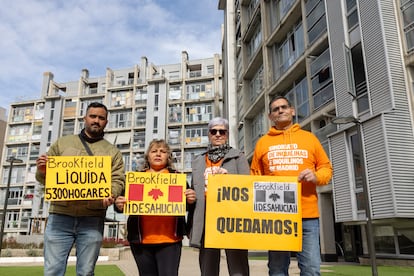
Investment funds 'Nistar' and 'Feder' are preparing to market 2490 apartments privatized by the Madrid municipality at prices exceeding tens of thousands of euros compared to the purchase prices during past crises. This situation raises public concern regarding the implications of these transactions on low-income residents.
As the real estate market in the Spanish capital becomes increasingly tumultuous, the funds plan to sell these apartments at prices ranging from €365,000 to €649,000 for housing units in residential areas such as San Chinaro. These prices represent a significant and unprecedented increase compared to the prices at which they were sold sixteen years ago.
Details of the Event
In 2010 and 2013, several controversial sales took place where the Madrid City Council, led by then-Mayor Alberto Ruiz-Gallardón, sold 2490 apartments to investment funds, sparking significant public controversy. While these transactions aimed to address financial pressures, they faced harsh criticism from both residents and politicians.
Recently, the two funds issued warnings about selling the apartments, leading to a sense of frenzy and anxiety among tenants contemplating their futures. This situation has sparked frustration among citizens, especially those with older rental contracts.
Background & Context
Sixteen years ago, Madrid's housing system was witnessing an increasing demand, and it was surprising at that time when the local council sold its real estate assets to private funds. The first deal, announced in 2010, was conducted under the cover of needing to reduce financial deficits, with apartments sold at affordable prices to young families. However, these homes quickly turned into sources of profit, leading to public discontent.
Five years later, privatization escalated further as the local government, led by Anna Botella, sold more apartments to private investors, raising the ire of many citizens who found themselves completely dependent on a system seeing the need for governments to provide housing as a public service.
Impact & Consequences
These movements in the real estate market seem reflective of a broader shift towards privatization as tenants may face higher rent costs or the threat of losing their homes. Criticism extends beyond this, as concerns mount that while investments in real estate increase, the actual cost of living will rise, adversely affecting the middle and lower-income classes.
The future appears uncertain for tenants, as experts indicate that real estate investors tend to sacrifice social interests for profit, raising fears of a new housing crisis due to price fluctuations. A recent report revealed that the lack of transparency in the sales processes points to government failure in meeting its social responsibilities.
Regional Significance
The events in Madrid reflect similar problems in many Arab countries where government properties are privatized, turning into high-risk ventures in the real estate market. These operations constitute an attack on the rights of residents and widen the economic gap between families.
Housing economics are not new to Arabs, as many Arab countries have witnessed similar privatization of vital government assets, impacting social stability. Therefore, this issue is not just a local matter in Madrid but stems from greater concerns regarding residents' rights and dignity.