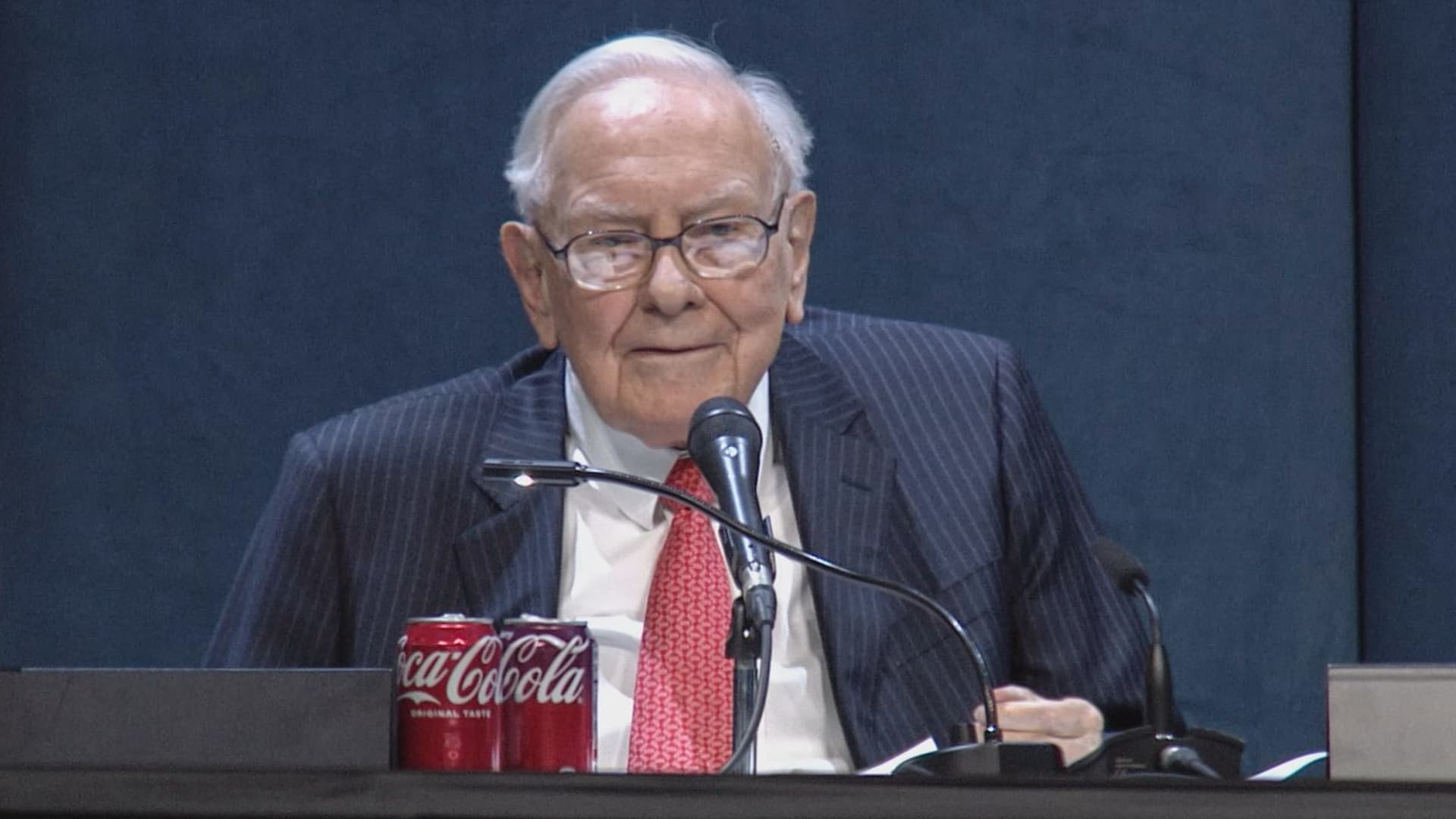
Berkshire Hathaway shares have experienced a 1% decline this week, increasing the gap between them and the S&P 500 index to 11.3 percentage points since the beginning of the year. While the S&P 500 has reached a new high with a 0.6% increase, Berkshire's shares continue to drop, attracting the attention of some investors who view this decline as a chance to buy.
Currently, Berkshire Hathaway shares, which have fallen 13% from their all-time highs recorded in May under the leadership of Warren Buffett, are considered attractive. Analysts believe there is potential for returns that could exceed the market, even in light of Buffett's anticipated absence in 2025.
Analysis of Current Market Trends
In an analysis published by Barron's, analyst Andrew Barry noted that the current price of Berkshire shares presents a good opportunity for investors, as it does not require much to achieve good returns. Additionally, Christopher Davis from Hudson Value Partners pointed out that investors are overlooking Berkshire while favoring shares of asset-heavy companies like Caterpillar to avoid risks associated with modern technology.
Berkshire Hathaway is one of the few companies that provides protection against inflation due to its insurance operations, making it appealing to investors in the current economic climate.
Background & Context
Founded in 1839, Berkshire Hathaway has emerged as one of the largest holding companies in the world under Warren Buffett's leadership. Over the years, the company has managed to deliver excellent returns for investors, making it a focal point for many. However, the recent weak performance of its shares raises questions about the company's future strategies, especially as the leadership transition approaches.
Historically, Berkshire Hathaway has relied on its investments in various companies, including Apple and Walmart. However, market changes may impact its investment strategy. In recent years, the company has seen declines in some of its investments, prompting a reevaluation of its portfolio.
Impact & Consequences
The current decline in Berkshire Hathaway shares may affect investor confidence in the company, particularly with the leadership transition on the horizon. Greg Abel, who will take over after Buffett, is expected to face significant challenges in managing the portfolio and achieving the desired returns. Additionally, stock buyback strategies may play a role in boosting confidence in the company.
Analysts believe there is a need to improve operational performance and increase revenues, which may be a focal point at the upcoming annual shareholders' meeting. This meeting will serve as an opportunity to highlight future plans and new directions.
Regional Significance
The decline in Berkshire Hathaway shares represents a potential opportunity for investors to acquire stocks at lower prices, which could have broader implications for the market as a whole. The company's performance is often viewed as a bellwether for investor sentiment and economic health.
In conclusion, the current situation surrounding Berkshire Hathaway's stock presents both challenges and opportunities for investors. As the company navigates through this period of transition, its strategies and performance will be closely monitored by the market.