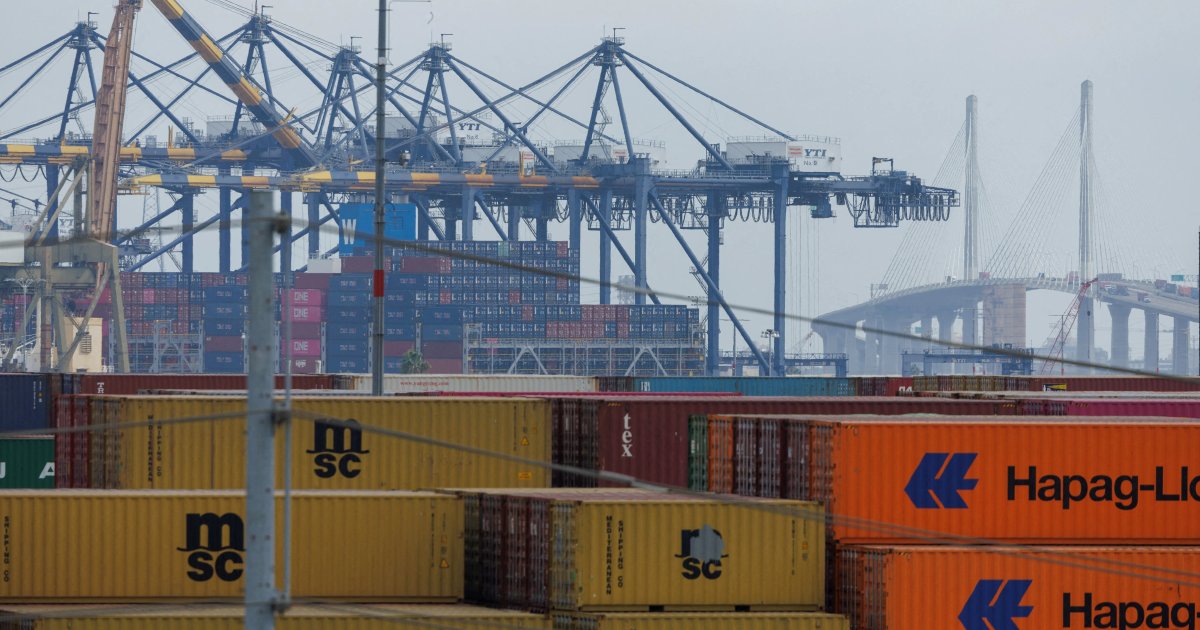
A year after former President Donald Trump imposed the so-called 'Liberation Day' tariffs, investor investments affected by this move have significantly declined. These tariffs, which sparked widespread controversy in global financial markets, led to substantial changes in investment strategies.
The tariffs imposed by Trump aimed to protect American industry from foreign competition; however, the results were often counterproductive, prompting investors to reassess their strategies.
Details of the Event
At this time last year, financial markets were experiencing sharp fluctuations due to the economic decisions made by Trump. The tariffs imposed on a range of goods, including Chinese products, significantly impacted global trade flows. Over time, investors began to realize that these policies might not yield the desired outcomes.
It is noteworthy that many investors adjusted their portfolios, implementing new strategies aimed at adapting to changing conditions. However, it seems these adjustments were insufficient to offset the losses incurred by many as a result of those policies.
Background & Context
Historically, the United States relied on flexible trade policies aimed at promoting economic growth. With Trump's arrival in power, these policies changed drastically, focusing on protecting domestic industries at the expense of free trade. This shift raised concerns among many investors who depended on global markets.
Throughout the past year, financial markets witnessed significant volatility, with stocks in various sectors declining due to uncertainty stemming from trade policies. Additionally, ongoing trade tensions between the United States and China exacerbated the situation, affecting investor confidence in the markets.
Impact & Consequences
The consequences of these policies have been profound, leading to a decline in investments across many sectors. Companies that relied on international trade found themselves compelled to reevaluate their strategies, which impacted overall economic growth.
Moreover, the ongoing trade tensions could worsen economic crises in developing countries, which heavily depend on trade with the United States. This situation may negatively affect economic stability in the region.
Regional Significance
For the Arab region, changes in U.S. trade policies could impact trade relations with Arab countries. Many Arab nations rely on exports to the United States, and any changes in these policies could lead to a decline in revenues.
Furthermore, American investments in the region may be significantly affected, potentially leading to reduced economic growth in some countries. Therefore, it is crucial for Arab nations to monitor these developments and work on diversifying their trade partnerships.
In conclusion, it appears that the trade policies pursued by Trump have led to radical changes in global financial markets, necessitating investors to reassess their strategies. As trade tensions continue, the future remains uncertain, requiring all parties to exercise caution.