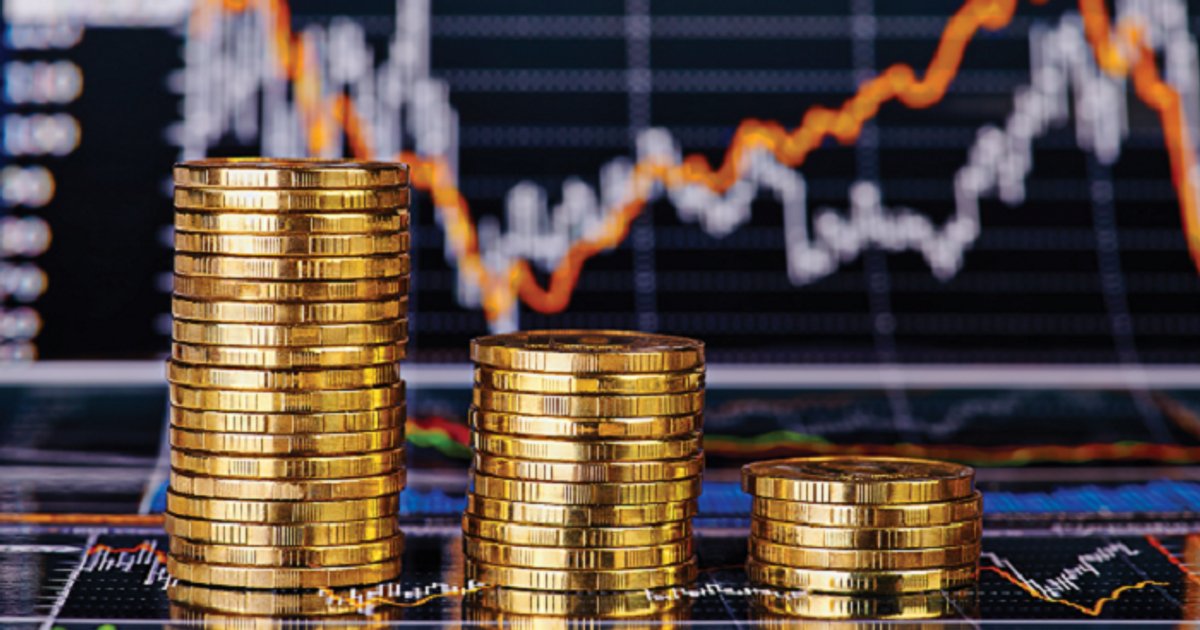
The emerging markets sector is witnessing a notable recovery as investors return following a previous sell-off influenced by the war. The MSCI Emerging Markets Index rose by approximately 10% in US dollars during April, achieving its best monthly performance since 2009, surpassing the nearly 9% gains of the S&P 500 Index.
In a related context, Pakistan has increased its dollar bond issuance this month, while the Democratic Republic of the Congo attracted subscription requests that were four times the value of its initial issuance of $1.25 billion. This also included purchases of bonds in oil-exporting countries such as Kazakhstan, Angola, and Ecuador, in addition to stocks in Vietnam, where returns are more reliant on local factors.
Details of the Event
This shift comes after an initial decline in frontier assets alongside global markets, as fears of rising energy prices and increased inflation risks grew. Despite uncertainties regarding US interest rate cuts, some investors are turning to economies less tied to global fluctuations, even as liquidity risks persist and the path of peace talks between the US and Iran remains unclear.
At the same time, interest in Vietnamese stocks has increased, while demand for debts from countries like Nigeria has improved, supported by rising oil prices. Kazakhstan has also benefited, with its currency becoming the best-performing globally since the onset of the war.
Background & Context
Historically, emerging markets have experienced significant volatility due to geopolitical and economic events. The war in Iran has greatly impacted global markets, leading to a sharp decline in demand for assets in frontier markets. However, the current improvement reflects investors' desire to seize available opportunities under the current circumstances.
Emerging markets are considered a haven for investors seeking high returns, especially amid volatile global economic conditions. Nevertheless, the risks associated with these markets remain, necessitating careful decision-making by investors.
Impact & Consequences
Some asset managers believe that these markets provide a hedge against rising global interest rates. However, there are warnings that this recovery may be fragile, given the ongoing inflation risks and supply chain disruptions. This could prompt more emerging economies to seek support from the International Monetary Fund.
Despite these risks, some investors continue to return to frontier markets, taking advantage of buying opportunities created by the initial downturn. Vietnam remains one of the top preferred destinations due to its supportive policies and improved market sentiment.
Regional Significance
Emerging markets are an important part of the global economy, and their impact extends to the Arab region. With increasing investments in these markets, Arab countries may benefit from heightened financial inflows, thereby enhancing their economic stability.
In conclusion, it seems that emerging markets have begun to recover, but the biggest challenge remains how to manage the risks associated with the global economy. The current situation requires investors to exercise caution and prepare for any future fluctuations.