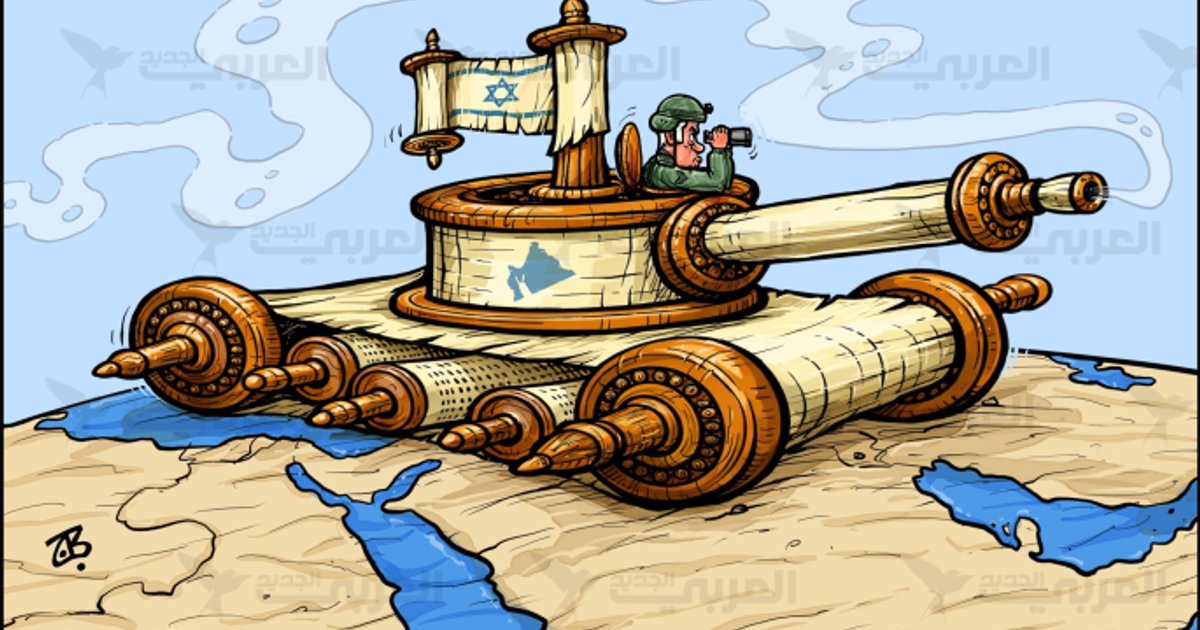
Current events around the world demonstrate how Christ's values, which advocate for peace and love, are being disregarded in the battlefield, while Genghis Khan's power is increasingly invoked as a model in conflicts. This phenomenon reflects a profound shift in the moral standards governing armed conflicts, where power and violence are viewed as means to achieve goals rather than upholding human values.
The power of Genghis Khan, associated with military conquests and expansion, is seen as a model in various contexts, symbolizing strength and control. In contrast, Christ's values promoting tolerance and love are marginalized amid rising armed conflicts. This disparity highlights how conflicts reshape human values in specific contexts.
Details of the Event
In recent years, many regions around the world have witnessed an escalation in armed conflicts, where force is increasingly used as a means to achieve political objectives. This trend illustrates how human values are being replaced by concepts of power and control, exacerbating violence and chaos within societies.
Reports indicate that many political and military leaders draw inspiration from historical figures like Genghis Khan, viewing the use of force as an effective means to achieve dominance. This trend raises questions about the future of human values amid escalating conflicts.
Background & Context
Historically, wars and conflicts have been associated with the use of force as a means to achieve objectives. However, the human values advocated by Christ, such as tolerance and love, were considered foundational for building peaceful societies. In recent decades, as conflicts have increased in various regions, it appears that these values are being replaced by concepts of power and control.
Current events show how military and political leaders are inspired by historical models, further promoting violence and chaos. This shift is viewed as a threat to the human values that are essential for building peaceful communities.
Impact & Consequences
The invocation of Genghis Khan's power as a model reinforces the state of violence in societies, where strength is seen as a means to achieve goals rather than dialogue and understanding. This trend poses a significant threat to the human values that are foundational for establishing peaceful communities.
Studies indicate that using force as a means to achieve objectives enhances chaos and instability, negatively impacting societies and escalating violence. This trend represents a major challenge to the human values that are considered essential for building peaceful societies.
Regional Significance
In the Arab region, armed conflicts illustrate how human values are being replaced by concepts of power and control. This shift exacerbates violence and chaos, adversely affecting communities. This trend is viewed as a threat to the human values that are fundamental for establishing peaceful societies.
The invocation of historical models like Genghis Khan intensifies violence in the region, where strength is perceived as a means to achieve goals rather than dialogue and understanding. This trend represents a significant challenge to the human values that are essential for building peaceful communities.