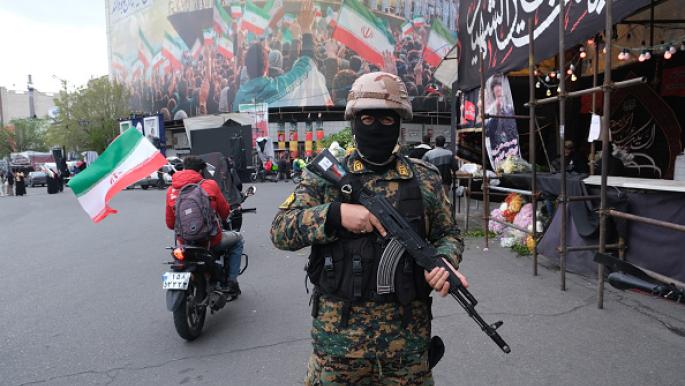
Iran's judiciary chief, Gholam Hossein Mohseni Ejei, announced the urgent need to expedite judicial rulings against those accused of espionage. In his statements, Ejei confirmed that the death penalty would be applied to what are referred to as 'agents', a step that illustrates the Iranian authorities' intensified focus on national security matters.
These remarks come at a time when Iran is experiencing both internal and external tensions, with growing concerns over espionage activities that threaten national security. This announcement is part of the Iranian government's policy to combat what it perceives as threats from hostile nations and internal elements.
Details of the Announcement
During a press conference, Mohseni Ejei highlighted the urgent need to accelerate legal proceedings against espionage suspects, stressing the importance of safeguarding national security. He explained that these measures include speeding up trials and implementing harsher penalties.
He also mentioned that there is a list of names identified as agents, and the authorities will work to bring them to justice as quickly as possible. These statements come amid rising concerns about espionage activities attributed to countries such as the United States and Israel.
Background & Context
Historically, Iran has witnessed numerous espionage-related cases, with many individuals arrested on charges of collaborating with foreign nations. In recent years, these cases have significantly increased, particularly following the United States withdrawal from the nuclear agreement in 2018.
Through these measures, the Iranian government aims to strengthen its internal position and demonstrate its power in the face of external threats. This policy also falls within Iran's efforts to enhance national security amid changing regional circumstances.
Impact & Consequences
Accelerating death sentences may escalate tensions between Iran and Western nations, particularly as international criticism regarding human rights intensifies. These steps could provoke negative reactions from human rights organizations that view the death penalty as a violation of individual rights.
Moreover, these policies may affect Iran's relations with neighboring countries, as such actions could be perceived as an escalation of regional tensions. These developments are likely to increase pressure on the Iranian government from the international community.
Regional Significance
These developments are particularly significant for the Arab region, as they reflect ongoing tensions between Iran and Western nations. Such policies could deepen divisions in the region, especially among countries that hold opposing views towards Iran.
The escalation in Iran may also impact regional security, prompting Arab nations to adopt cautious stances regarding developments in Tehran. Under these circumstances, the region remains on alert for how events will unfold.
In conclusion, the statements made by the Iranian judiciary chief reflect the current government's approach to facing security challenges. With the acceleration of death sentences, there is a pressing need to closely monitor developments, especially amid increasing tensions in the region.