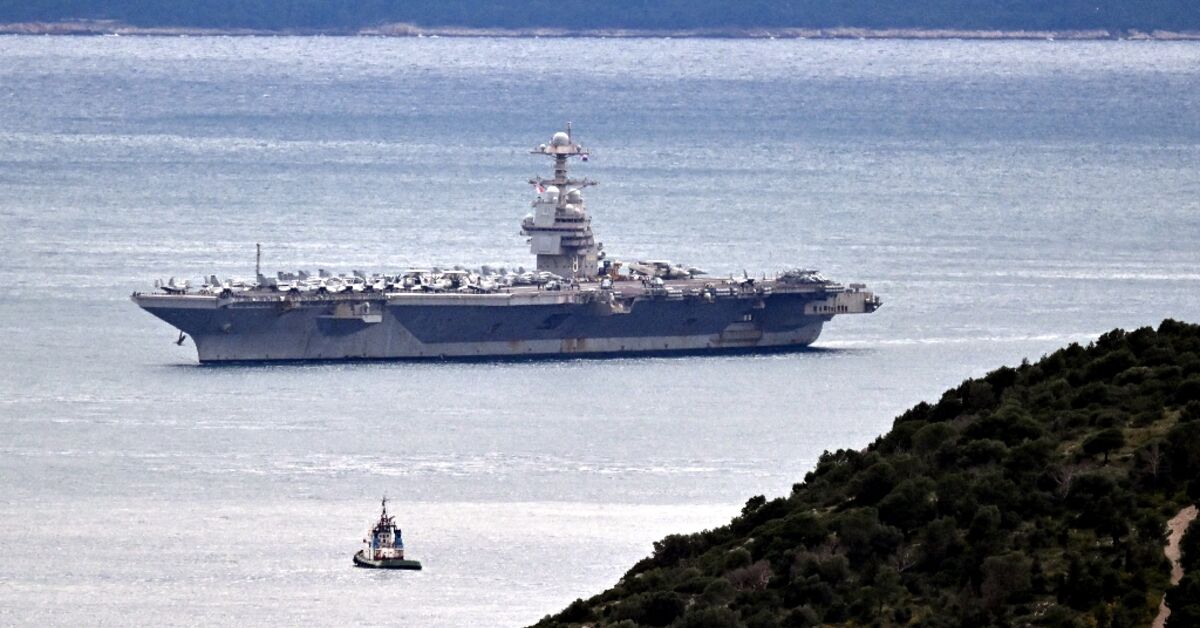
Iran's Parliament Speaker, Mohammad Baqer Qalibaf, has accused the United States of planning a ground attack on Iran, despite its public calls for a diplomatic agreement. These remarks followed the arrival of an American aircraft carrier in the Middle East, carrying around 3,500 troops, raising concerns in Tehran amid rising regional tensions.
Qalibaf's statements come at a sensitive time, as the region has witnessed over a month of airstrikes conducted by US and Israeli forces, intensifying the strain between Iran and the United States. Meetings have been held among key players in the region in Pakistan, reflecting increasing diplomatic efforts to calm the situation.
Details of the Incident
In his remarks, Qalibaf pointed out that US military movements indicate hostile intentions, despite official statements calling for dialogue. He emphasized that Iran will not stand idly by in the face of any threats and is prepared to defend its sovereignty. These statements come at a critical moment as Iran seeks to strengthen its position in diplomatic talks with major powers.
The arrival of the US carrier in the region is part of the United States' strategy to bolster its military presence in the Middle East, particularly amid rising tensions with Iran. US military reports have detected Iranian movements in the area, prompting Washington to take precautionary measures.
Background & Context
Historically, relations between Iran and the United States have been tense since the Islamic Revolution in 1979, which led to the severing of diplomatic ties between the two countries. Since then, the region has experienced numerous crises and conflicts, including wars in Iraq and Syria, where Iran played a significant role. Additionally, the Iranian nuclear program has always been a major point of contention between Tehran and Washington.
In recent years, tensions have escalated significantly, particularly following the United States' withdrawal from the Iranian nuclear deal in 2018. Since then, Washington has imposed stringent economic sanctions on Tehran, severely impacting the Iranian economy and heightening military tensions.
Impact & Consequences
The recent Iranian statements may lead to an escalation of tensions in the region, as the United States might feel that Iran is challenging its military presence. This escalation could negatively impact regional security and potentially lead to military confrontation between the two parties.
Moreover, any escalation in tensions could affect global oil markets, as Iran is one of the main oil-exporting countries. Any threats of military conflict could lead to rising oil prices, impacting the global economy.
Regional Significance
Neighboring Arab countries, such as Iraq and Saudi Arabia, are on high alert regarding developments between Tehran and Washington. Any escalation in tensions could affect the stability of these countries, especially given the presence of armed groups linked to Iran in the region.
Arab nations seeking to improve relations with Iran may find themselves in a precarious position, as they might have to take sides in the event of escalating conflict. The current situation requires Arab countries to take diplomatic steps to avoid any potential escalation.
In conclusion, the situation in the Middle East remains complex, and the mutual statements between Iran and the United States suggest that the region may face further tensions in the near future.