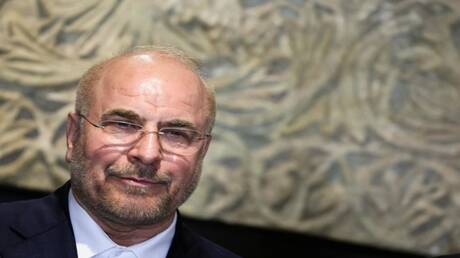
Iran's Speaker of Parliament, Mohammad Baqer Qalibaf, has accused the United States of "publicly sending messages for negotiation and dialogue, while secretly planning a ground attack" on Iran. These statements come at a time when relations between Tehran and Washington are increasingly tense, raising concerns about the future of nuclear negotiations.
Qalibaf, a prominent political figure in Iran, indicated that this American strategy aims to destabilize the region, asserting that U.S. statements do not reflect genuine intentions for negotiation. These accusations reflect a climate of suspicion and distrust that pervades relations between the two countries, especially amid the multiple crises affecting the region.
Details of the Event
Qalibaf's remarks come at a critical juncture, as fears of a potential military escalation in the region are growing. The United States, which has a military presence in Iraq and Syria, may have strategic plans aimed at countering Iran's increasing influence. Qalibaf pointed out that these plans could include direct military operations, which he considers a threat to Iran's national security.
Meanwhile, Iran continues to bolster its defensive capabilities, having announced the development of new missile systems, further heightening tensions. These developments are part of Iran's efforts to maintain its national security amid external threats.
Background & Context
Historically, Iranian-American relations have experienced significant fluctuations, beginning after the Islamic Revolution in 1979. Since then, the United States has imposed stringent economic sanctions on Iran, exacerbating the country's economic and social crises. In recent years, tensions have notably escalated, especially following the U.S. withdrawal from the nuclear agreement in 2018.
Iran seeks to enhance its regional position by supporting its allies in the region, such as Hezbollah in Lebanon and the Houthis in Yemen. This support reflects Tehran's strategy to confront American pressures and complicates the security landscape in the Middle East.
Impact & Consequences
If the scenario described by Qalibaf materializes, it could lead to a significant military escalation in the region, threatening the stability of Gulf states and impacting global oil prices. Additionally, any military escalation could result in severe humanitarian consequences, with civilians being significantly affected in the event of armed conflict.
On the other hand, these tensions could lead to strengthened regional alliances, as countries like Russia and China may seek to provide support to Iran in the face of American pressures. This situation could alter the balance of power in the region and complicate political dynamics.
Regional Significance
The Iranian-American tensions directly affect Arab countries, especially those sharing borders with Iran. Countries like Iraq, Syria, and Lebanon may find themselves at the heart of the conflict, increasing security risks. Furthermore, military escalation could lead to an influx of refugees and exacerbate humanitarian crises in the region.
At the same time, Arab countries may seek to enhance their security cooperation to counter any potential threats, which could lead to the formation of new alliances in the region. These dynamics could influence the internal and external policies of Arab states and reshape regional relations.
In conclusion, the situation in the region remains tense, with growing fears of a potential military escalation. Qalibaf's statements reflect a state of anxiety in Tehran and underscore the importance of diplomatic dialogue to avoid any escalation that could lead to new crises.