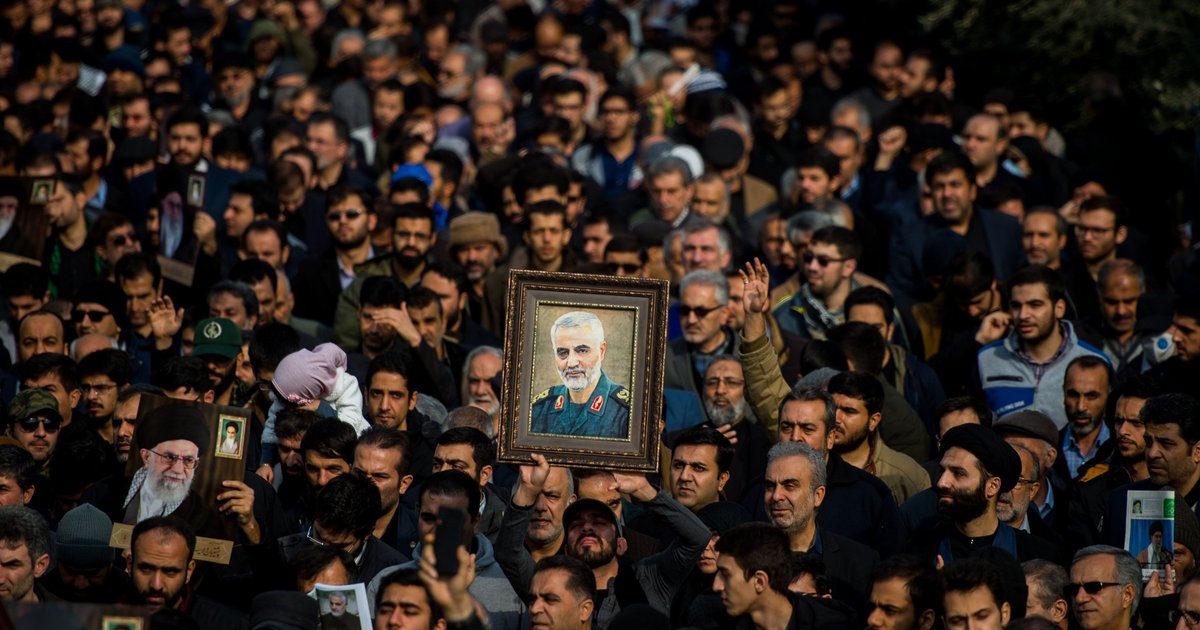
Dr. Maryam Farida, a lecturer at Macquarie University in Australia, reported that Iran possesses significant capabilities to achieve success in what is termed 'narrative warfare'. This was highlighted during her discussion with journalist Haslinda Amin on the program 'Insight', where she addressed Iran's influence in shaping political and media narratives on the international stage.
Farida emphasized that Iran has managed to position itself as a key player in this warfare by employing diverse strategies to influence global public opinion. She pointed out that these strategies include the use of traditional and digital media, as well as enhancing its presence on social media platforms.
Details of the Event
Dr. Maryam Farida elaborated on how Iran has been able to exploit current events to its advantage by presenting narratives that align with its political interests. She noted that Iran has successfully utilized regional and international crises to bolster its image as a supporter of resistance against Western hegemony.
Furthermore, Farida discussed how Iran employs historical and cultural narratives to strengthen its position on the international stage, making it capable of garnering support from certain segments within Western societies. This reflects Iran's ability to adapt to global changes and exploit them to its benefit.
Background & Context
Historically, Iran has always sought to enhance its influence in the region through multiple strategies, including supporting armed groups in neighboring countries. As tensions in the Middle East have escalated, Iran has become more active in attempting to shape narratives that reflect its interests.
'Narrative warfare' is a contemporary term that reflects the struggle to shape narratives and ideas in the digital age, where countries strive to influence public opinion through media. In this context, Iran is considered one of the countries that have heavily invested in this warfare.
Impact & Consequences
Farida's statements underscore the importance of 'narrative warfare' in shaping international policies, as constructed narratives can lead to changes in the political stances of countries. In Iran's case, these strategies may enhance its influence in the region, which could raise concerns among Western nations.
Moreover, Iran's success in this warfare could lead to increased tensions between major powers, as each country seeks to promote its own narrative. This situation could impact regional and international stability, making it difficult to reach peaceful solutions to ongoing conflicts.
Regional Significance
Considering Iran's influence on Arab countries, it can be said that its success in 'narrative warfare' may strengthen its position in regional conflicts. Iran is viewed as a key player in several disputes in the region, such as Syria, Iraq, and Yemen, where it seeks to enhance its influence by supporting allied groups.
This may lead to increased divisions within Arab states, as conflicting narratives can be used to exacerbate sectarian and political splits. Thus, 'narrative warfare' is not merely a media struggle but a strategic tool that affects security and stability in the region.
In conclusion, Dr. Maryam Farida's analysis shows that Iran is capable of achieving notable successes in 'narrative warfare', raising questions about the future of international relations in light of these new dynamics. Understanding these phenomena is essential for Arab countries to confront the challenges that may arise as a result.