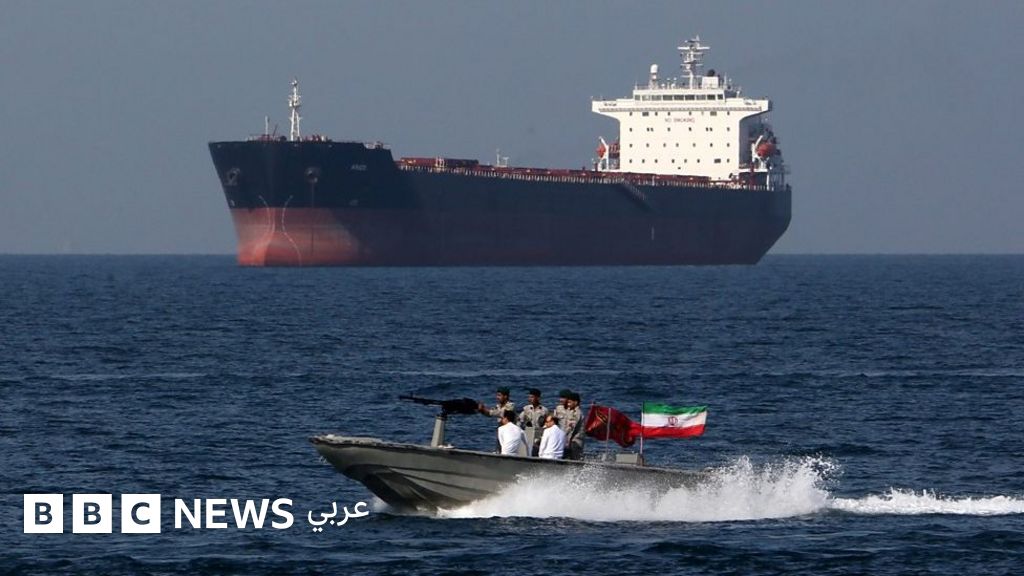
In a move reflecting the escalating tensions in the region, Iran has announced that it will allow the passage of non-hostile ships through the Strait of Hormuz, excluding vessels linked to the United States, Israel, and other countries it accuses of aggression. This announcement comes at a critical time as fears of escalating conflict in the region grow, especially after U.S. President Donald Trump indicated that his country is in talks with 'the right people' in Iran with the aim of reaching an agreement to end hostilities.
In a related context, Shell's CEO, Wael Sawan, warned that Europe could face a fuel supply shortage soon if the war related to Iran continues. He confirmed that disruptions in energy markets are increasing, raising concerns about the stability of supplies in the European continent.
Details of the Announcement
Tensions are rising in the Strait of Hormuz, which is considered one of the most important maritime passages in the world, through which approximately 20% of global oil supplies flow. Iran has confirmed that it will allow the passage of non-hostile ships, meaning it will permit vessels that are not linked to countries it considers hostile. This decision comes at a sensitive time as pressure on Iran from the United States and its allies is increasing.
On the other hand, polls have shown that President Trump's popularity has dropped to its lowest levels since he returned to the White House, as he faces widespread criticism over rising fuel prices and public dissatisfaction with the war he initiated against Iran on February 28. A Reuters-Ipsos poll indicated that many Americans express their discontent with the current situation.
Background & Context
Historically, the Strait of Hormuz is a vital strategic point, having witnessed numerous conflicts and disputes over the years. In recent years, tensions between Iran and the United States have escalated, especially after Washington withdrew from the Iranian nuclear deal in 2018. Since then, the United States has imposed strict economic sanctions on Iran, exacerbating the economic and social conditions in the country.
The recent conflict between Iran and Israel has further complicated the situation, as Iran accuses Israel of conducting attacks on its territory. In this context, Iranian media reported that an airstrike carried out by the 'American Zionist enemy' targeted a residential area in Tehran, leading to rescue operations to search for survivors under the rubble.
Impact & Consequences
The continuation of tensions in the region could have serious repercussions on global markets, especially in the energy sector. If the war continues, a supply shortage could significantly impact oil prices, potentially leading to increased fuel costs worldwide. Additionally, any escalation in the conflict could affect political stability in the region, heightening tensions between neighboring countries.
Moreover, Trump's declining popularity may influence his foreign policies, as he might seek to take new steps to negotiate with Iran. However, the challenges he faces domestically could complicate the possibility of achieving any progress in this direction.
Regional Significance
For Arab countries, the escalating tensions between Iran and the United States could lead to direct repercussions on security and stability in the region. Many Arab nations rely on stable oil prices, and any escalation in the conflict could negatively impact their economies. The conflict may also lead to increased sectarian tensions in the region, complicating security situations further.
In conclusion, the situation in the region remains unstable, with ongoing tensions between Iran and Western countries. Any new developments could significantly affect the political and economic landscape in the region, necessitating close monitoring by all concerned parties.