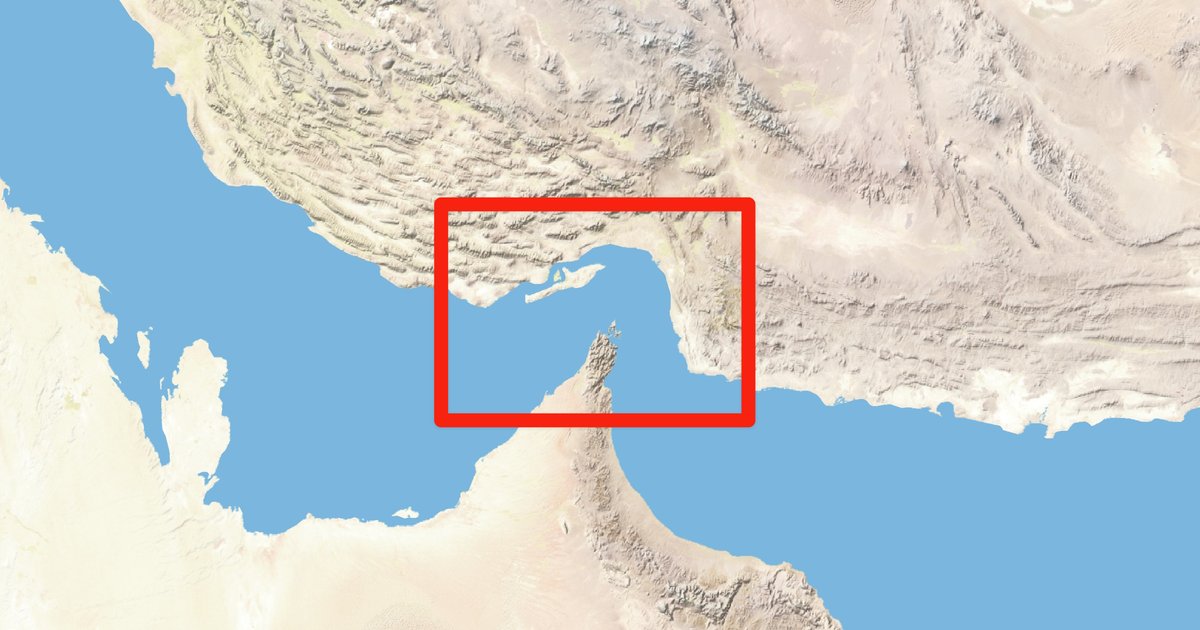
Iran has announced the allowance of twenty additional ships flying the Pakistani flag to pass through the Strait of Hormuz, in a move that reflects enhanced maritime cooperation between the two countries. This decision comes at a sensitive time marked by increasing tensions in the region, highlighting the importance of maritime corridors in international trade.
The Strait of Hormuz, through which approximately 20% of the world's total oil passes, is a vital strategic point. Iran has expressed its readiness to facilitate the movement of commercial vessels, which could contribute to strengthening economic relations with Pakistan and reflects Tehran's desire to improve its image in the international community.
Event Details
In an official statement, Iranian authorities reported that they would allow twenty additional ships flying the Pakistani flag to pass through the strait, reflecting Iran's commitment to enhancing cooperation with its neighbors. This step follows a series of meetings between Iranian and Pakistani officials, where discussions focused on ways to boost trade and facilitate the movement of goods between the two countries.
This decision is part of Iran's efforts to strengthen its relations with neighboring countries, especially amid the economic and political pressures it faces. It also comes at a time when concerns about escalating tensions in the region are increasing, making it essential to enhance cooperation among nations.
Background & Context
Historically, relations between Iran and Pakistan have experienced numerous fluctuations, with periods of cooperation and others of tension. However, the current situation necessitates strengthening economic and security cooperation between the two countries, especially in light of the common challenges facing the region, such as terrorism and extremism.
Pakistan is considered one of Iran's key partners in the region, as both countries seek to enhance cooperation in trade and energy sectors. Recent years have seen an improvement in bilateral relations, reflecting both sides' desire to overcome past disagreements and build a shared future.
Impact & Consequences
This step may lead to strengthened economic relations between Iran and Pakistan, contributing to improving the economic situation for both countries. Additionally, facilitating the movement of commercial vessels could increase the volume of trade exchange, benefiting both economies.
Moreover, this decision may help reduce tensions in the region, as it demonstrates Iran's commitment to cooperating with its neighbors. Given the security challenges facing the region, this step could serve as a model for regional cooperation that can contribute to achieving stability.
Regional Significance
This move is significant for the Arab region, as it reflects Iran's desire to improve its relations with neighboring countries. This step could alter regional dynamics, especially amid existing tensions between Iran and some Arab states.
Furthermore, enhancing cooperation between Iran and Pakistan may impact the relationships between Arab countries and Iran, as it could serve as a model for regional cooperation that contributes to achieving stability and security in the area.
In conclusion, Iran's decision to allow Pakistani ships to pass through the Strait of Hormuz reflects a desire to enhance regional cooperation and overcome tensions. This step could mark the beginning of more stable relations between Iran and its neighbors, contributing to improving the security and economic situation in the region.