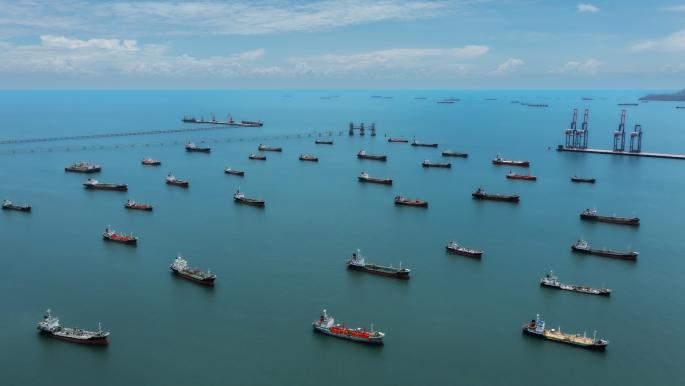
Iran has announced its readiness to allow Spanish-linked vessels to pass through the Strait of Hormuz, one of the world's most vital oil transit routes. This decision follows a period of closure of the strait, which is a crucial artery for the global economy, since the beginning of the war in the region.
This move is seen as a sign of potential easing of tensions in the area, as relations between Iran and Western countries, including Spain, have experienced increasing strains in recent years. This decision reflects Tehran's desire to improve trade relations with European nations at a time when it faces mounting economic pressures.
Details of the Announcement
The Strait of Hormuz, which connects the Arabian Gulf to the Gulf of Oman, is one of the most significant maritime passages in the world, with approximately 20% of the world's total oil passing through it. In recent years, the strait has witnessed numerous incidents and military tensions, leading to its closure at times. Iran's decision to allow Spanish ships to transit is a positive step and may contribute to stabilizing maritime navigation in the region.
This announcement comes at a sensitive time, as fears of escalating conflicts in the region are growing, especially with the ongoing war. Iran has confirmed that it will allow vessels flying the Spanish flag to pass, reflecting its desire to enhance economic relations with Madrid.
Context and Background
Historically, the Strait of Hormuz has been a strategic point in global politics, having witnessed numerous political and military crises. Since the beginning of the war, Iran has taken strict measures regarding navigation in the strait, raising concerns in the international community. However, the decision to allow Spanish ships to pass may indicate a shift in Iran's policy towards European countries.
Iran is seeking to strengthen its trade relations with European nations, particularly amid the economic sanctions imposed on it. This step may be part of a broader strategy to enhance economic cooperation with countries it once considered allies.
Implications and Effects
This decision could have a significant impact on maritime navigation in the region, potentially leading to an increase in the flow of commercial vessels through the strait. It may also contribute to improving relations between Iran and European countries, opening the door for further cooperation in other areas.
Despite this, tensions remain in the region, as concerns about escalating conflicts persist. The Iranian decision may be a positive step, but it does not guarantee lasting stability in the area. The international community must closely monitor developments.
Impact on the Arab Region
Iran's decision to allow Spanish ships to transit through the Strait of Hormuz represents an important step that could affect neighboring Arab countries. The strait is a vital artery for oil and gas transportation, and any changes in navigation patterns may impact global oil prices, reflecting on the economies of Arab nations.
Moreover, improving relations between Iran and European countries could alter the dynamics of politics in the region and affect existing alliances. Arab countries must be prepared to adapt to any changes that may arise in the political and economic landscape.
In conclusion, Iran's decision to allow Spanish ships to transit through the Strait of Hormuz is a positive step in the context of international relations, but it comes at a time marked by increasing tensions. The international community and Arab nations should closely follow developments, as any changes in this context could significantly impact stability in the region.