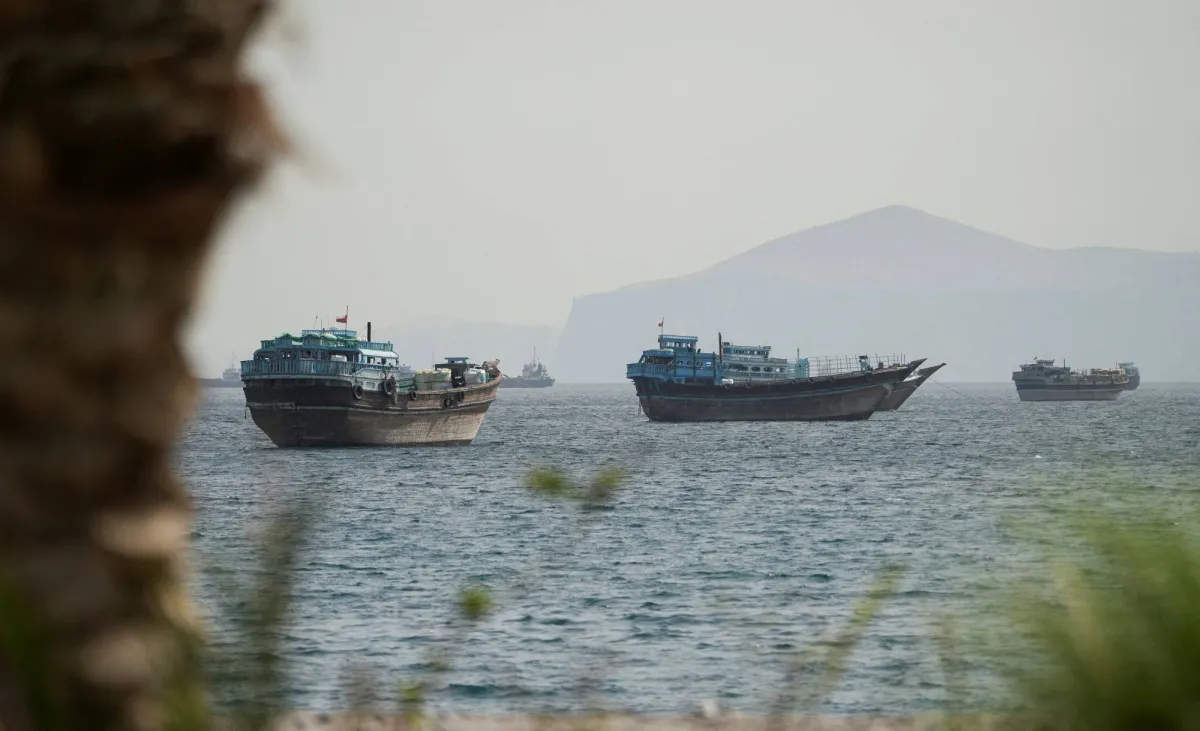
Iran announced today, Friday, that 35 ships crossed the Strait of Hormuz in the past 24 hours, coordinated with the Iranian Revolutionary Guard, according to Iranian state television. This move comes at a sensitive time when the region is witnessing increasing tensions regarding freedom of navigation in this strategic waterway.
Earlier, the Iranian naval forces reported that 26 ships crossed the strait last Wednesday, while Kepler, a shipping data company, confirmed only 10 crossings on the same day, indicating a significant increase compared to four crossings the previous day.
Details of the Event
The ships that crossed the strait include oil tankers and commercial cargo vessels, reflecting the importance of the Strait of Hormuz as one of the most critical arteries for global energy. These statements come amid rising concerns about Iran's attempts to impose fees on passing ships, which has sparked strong reactions from the United States.
US Secretary of State Marco Rubio condemned these attempts during a NATO foreign ministers' meeting in Sweden, noting that no country in the world supports this action except Iran. He emphasized that the United States will do its utmost to prevent the establishment of an Iranian transit fee system.
Background & Context
The Strait of Hormuz is one of the most important waterways in the world, through which approximately 20% of global oil and natural gas shipments pass. Historically, the strait has witnessed numerous tensions due to regional conflicts, affecting international shipping.
In recent years, Iran has increased its military activity in the region, leading to heightened tensions with the United States and its allies. This situation requires close monitoring by the international community, especially with negotiations regarding Iran's nuclear program approaching.
Impact & Consequences
If Iran succeeds in imposing fees on ship crossings, it could escalate tensions in the region and negatively impact global oil prices. Additionally, this action could pave the way for other countries to adopt similar policies in other waterways, threatening international freedom of navigation.
US statements indicate that there is a draft resolution before the UN Security Council, sponsored by Bahrain, which enjoys broad support from member states. However, two countries are considering using their veto power against this resolution, reflecting international divisions on this issue.
Regional Significance
The Arab countries neighboring the Strait of Hormuz are among the most affected by tensions in this area. Any escalation in the situation could impact trade and navigation, reflecting on the economies of these countries. Moreover, imposing transit fees could lead to price increases, affecting consumers in the region.
In conclusion, the Strait of Hormuz remains a central focus of current events, and the international community needs to take effective steps to ensure freedom of navigation and protect the economic interests of the concerned countries.