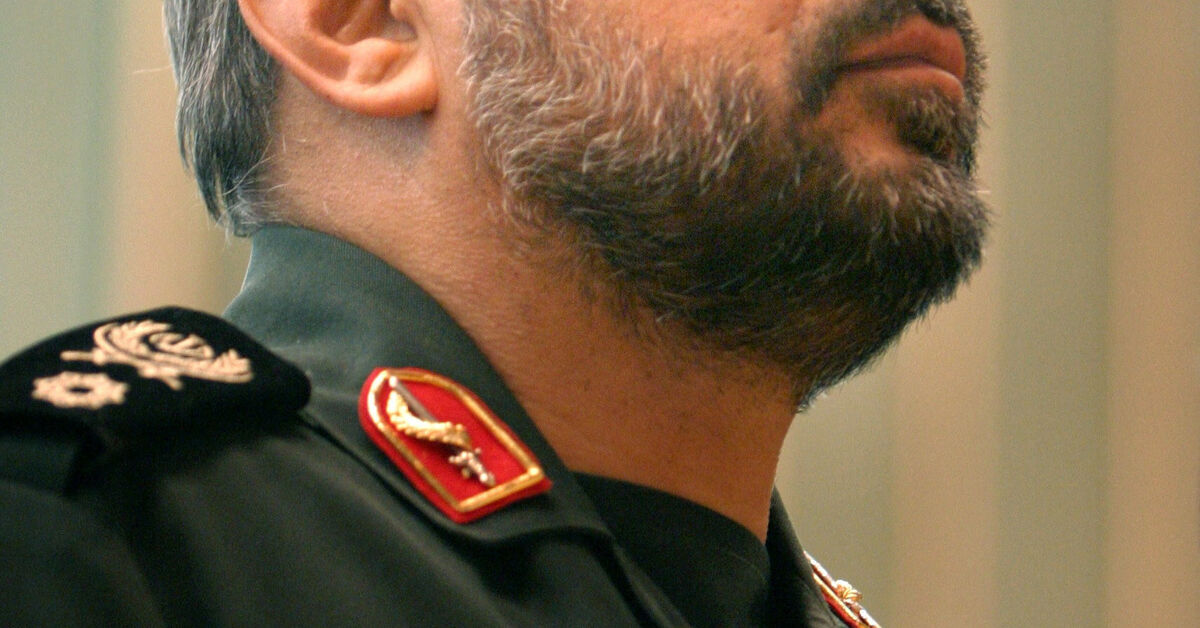
Iran announced on Tuesday the appointment of Mohammad Baqer Zolqadr, the former commander of the Iranian Revolutionary Guard, to succeed Ali Larijani, the head of the Supreme National Security Council who was killed in American-Israeli airstrikes last week. This announcement was made by the Iranian Vice President for Communications via the X platform.
This step is seen as a reflection of the hardline political tendencies in Iran, as Zolqadr is considered a prominent figure within the hardline political faction in the country. The killing of Larijani, who was regarded as one of the most significant figures in the Iranian regime, has sparked strong reactions both within Iran and abroad.
Details of the Event
These developments follow a series of airstrikes carried out by the United States and Israel, targeting Iranian sites in the region, which has led to heightened tensions between Iran and Western countries. Larijani, who had served as the head of the Supreme National Security Council since 2013, was seen as a pivotal figure in shaping Iran's security policy and played a crucial role in nuclear negotiations with major powers.
The appointment of Zolqadr, who is regarded as a prominent military leader, indicates that Iran may adopt a more hardline approach in dealing with external threats. Zolqadr is known for his strong stances against the United States and Israel, and he is considered a key supporter of Iran's military policies in the region.
Background & Context
Historically, Iran has witnessed significant changes in its political and military leadership, especially following the Islamic Revolution in 1979. The Iranian Revolutionary Guard, which is considered the backbone of the regime, has played an important role in enhancing Iranian influence in the region, including supporting armed groups in Iraq, Syria, and Lebanon.
The killing of Larijani is seen as a pivotal event in modern Iranian history, highlighting the security challenges the country faces amid escalating tensions with the United States and Israel. This event also reflects the ongoing power struggle within the Iranian system, as the hardline faction seeks to strengthen its grip on power.
Impact & Consequences
The appointment of Zolqadr may lead to an escalation of tensions in the region, as Iran is expected to adopt more hardline policies towards external threats. This trend could complicate negotiations regarding Iran's nuclear program and increase the likelihood of new conflicts in the region.
Additionally, this appointment may affect Iran's relations with Arab countries, as the hardline faction in Iran is perceived to be less receptive to diplomatic initiatives. This could lead to increased tensions between Iran and Gulf states, especially amid ongoing conflicts in Yemen and Syria.
Regional Significance
Events in Iran have a direct impact on the Arab region, as new Iranian policies could exacerbate sectarian and ethnic conflicts in neighboring countries. Moreover, the strengthening of Iranian influence in Iraq and Syria may raise concerns among Arab states, particularly those experiencing internal conflicts.
In conclusion, the appointment of Zolqadr as Larijani's successor indicates that Iran is moving towards a more hardline stance in its foreign policy, which could complicate security situations in the region and increase tensions between global powers.