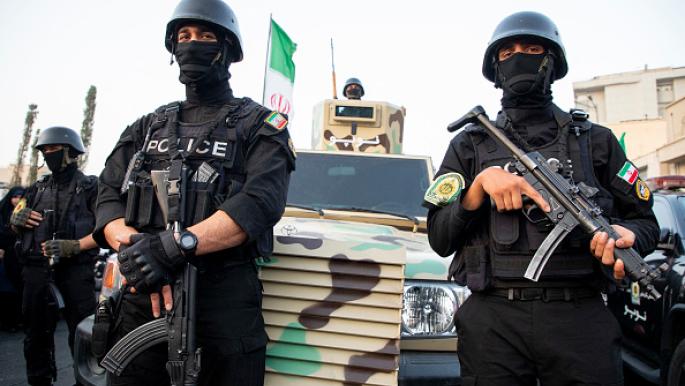
Iranian security and judicial authorities have announced a wide-ranging crackdown across several provinces, resulting in the arrest of more than 340 individuals on suspicion of involvement in activities deemed threatening to security. This operation comes at a time of escalating political and security tensions in the country, raising concerns about human rights and public freedoms.
These arrests coincide with reports indicating a surge in public protests in Iran, where citizens express their dissatisfaction with the economic and political situation. The announcement of the execution of one detainee further intensifies criticism directed at the Iranian government from human rights organizations.
Details of the Arrest Campaign
According to sources, the security campaign targeted a group of individuals believed to be connected to opposition activities against the government. The arrests spanned several Iranian cities, reflecting the government's strategy to counter any movements that could threaten its stability. The execution of one detainee has sparked outrage from international human rights organizations.
The Iranian authorities aim to strengthen their security grip through this campaign amid increasing internal and external pressures. Detainees have been accused of inciting chaos and engaging in subversive activities, claims that many human rights organizations deny.
Background & Context
Historically, Iran has witnessed numerous security crackdowns against dissenters, especially following the protests that erupted in 2009. Since then, the government has continued to employ repressive methods to confront any popular movements. Additionally, the deteriorating economic situation in the country, due to international sanctions, has exacerbated social and political conditions.
These arrests are part of the Iranian government's policy to combat opposition, frequently targeting political activists and human rights defenders. Such policies have led to widespread criticism from the international community, which calls for respect for human rights and fundamental freedoms.
Impact & Consequences
This security campaign raises significant concerns about the future of public freedoms in Iran. Predictions suggest that these measures may exacerbate public protests, potentially threatening the stability of the current regime. Furthermore, the execution of detainees could heighten tensions between the government and the populace, adversely affecting Iran's image in the international community.
Analysts expect these developments to impact Iran's relations with Western countries, especially amid increasing calls for new sanctions against Tehran. These events may also evoke memories of past experiences in other countries that faced similar protests, raising questions about the possibility of political changes in Iran.
Regional Significance
The ongoing events in Iran have a significant impact on the Arab region, as many Arab countries closely monitor the situation in Iran. Any political or social changes in Iran could affect regional balances, especially given the complex relationships between Iran and Arab states.
Moreover, the rise of protests in Iran may inspire protest movements in other countries, increasing tensions in the region. This underscores the importance of following developments in Iran and their implications for regional stability.
In conclusion, the events in Iran remain a focal point of interest, raising questions about the country's future amid these tense circumstances. As the security campaign continues, there is hope for positive changes in human rights and public freedoms.