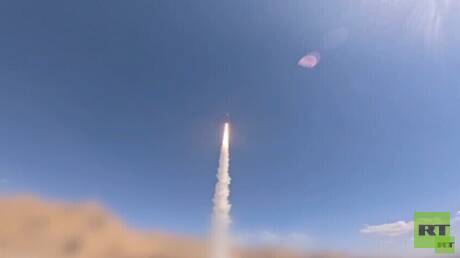
Aladdin Boroujerdi, a member of Iran's National Security Committee, emphasized that Iran will not suffer from a shortage of missiles even if the war persists for many years. These statements reflect Iran's commitment to enhancing its defensive capabilities amid rising regional tensions.
These remarks serve as a clear message from Tehran to its adversaries, as Iran seeks to assert its ability to confront any challenges it may face in the future. Boroujerdi pointed out that Iran possesses sufficient missile stockpiles, showcasing its ongoing military strategy to bolster its capabilities.
Details of the Statement
Boroujerdi's comments come at a sensitive time, with tensions escalating between Iran and the United States and its allies in the region. These tensions include ongoing conflicts in Syria and Iraq, as well as concerns surrounding Iran's nuclear program, which raises alarms in the international community. Boroujerdi, who holds a significant position in the National Security Committee, confirmed that Iran will continue to develop its military capabilities, including ballistic missiles.
He also added that Iran has invested heavily in developing new technologies, enabling it to meet its defense needs independently. These statements emerge as the world faces increasing security challenges, highlighting the importance of military capabilities for nations.
Historical Context
Historically, Iran has faced numerous military and political challenges, from the Iran-Iraq War in the 1980s to the economic sanctions imposed due to its nuclear program. This background underscores the significance of Boroujerdi's current statements, as Iran aims to affirm its resilience against external pressures.
Iran views missiles as a fundamental component of its defense strategy, seeking to develop integrated offensive and defensive capabilities. This approach reflects Iran's desire to enhance its national sovereignty and protect its regional interests.
Potential Consequences
Boroujerdi's statements could escalate tensions in the region, as other countries may perceive them as a threat to their security. These remarks may increase pressure on Iran from the United States and its allies, potentially leading to further sanctions or even military intervention.
Moreover, Iran's enhancement of its military capabilities could encourage other countries in the region to develop their military programs, potentially leading to an arms race in the Middle East. This scenario could complicate security dynamics in the region and impact regional stability.
Impact on Arab Nations
Iran's military capabilities directly affect the national security of neighboring Arab states. Many countries in the region, such as Saudi Arabia and the UAE, consider Iran a threat to their security, prompting them to bolster their military capabilities and collaborate with major powers.
This escalating tension may impact peace and stability efforts in the region, as armed conflicts may increase and tensions between states may rise. It is crucial for Arab nations to remain vigilant regarding developments in Iran and to enhance their security cooperation.
In conclusion, Boroujerdi's statements reflect the ongoing challenges Iran faces amid regional conflicts. While Iran seeks to strengthen its military capabilities, other countries in the region must be prepared to proactively address these challenges.