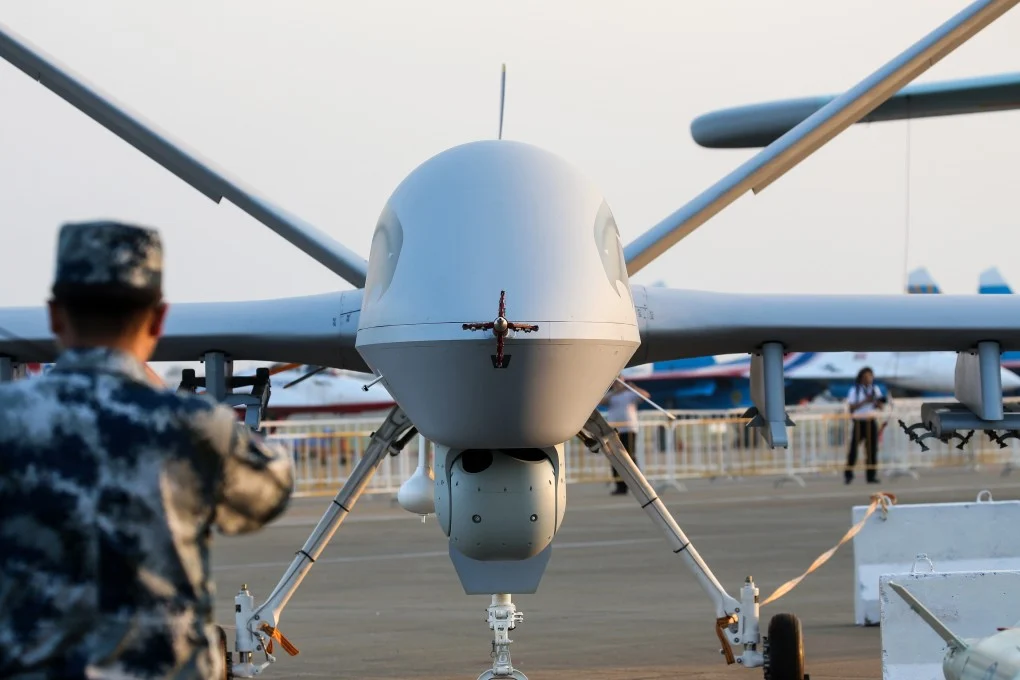
In a recent incident reflecting the escalating tensions in the Middle East, Iran has accused both Saudi Arabia and the UAE of downing a Chinese-made drone. The incident occurred over the weekend, intensifying the strains between these nations, which have complex and intertwined relationships.
The drone, manufactured in China, was shot down near the Iranian border, raising concerns among Iranian authorities. Iranian officials indicated that this incident is not merely a military escalation but also reflects the political and economic conflicts in the region.
Details of the Incident
According to reports, the drone was conducting reconnaissance missions and was intercepted by Iranian air defenses. Iran confirmed that this drone was spying on its military facilities, making it a threat to national security. In contrast, both Saudi Arabia and the UAE denied any involvement in the incident, complicating the situation further.
This incident comes at a sensitive time, as tensions between Iran and Gulf states are rising, especially following a series of attacks targeting oil facilities in Saudi Arabia. These events raise fears of a potential military escalation in the region.
Background & Context
Historically, relations between Iran and Gulf states have been strained, particularly since the Islamic Revolution in 1979. Since then, the region has witnessed numerous conflicts and disputes, including the Iran-Iraq War, the conflict in Yemen, and protests in Bahrain. This historical backdrop makes achieving stability in the region challenging.
In recent years, Iran has increased its influence in the region by supporting militias in Iraq, Syria, and Lebanon, raising concerns among Gulf states. Additionally, Iran's nuclear program remains a major point of contention between Iran and Western countries, further complicating the regional situation.
Impact & Consequences
This incident serves as a wake-up call for all parties involved. It could lead to greater military escalation, affecting both regional and global security. Furthermore, any escalation may impact oil prices, as the region is one of the largest oil sources in the world.
Moreover, the rising tensions could affect relationships between major powers in the region, such as the United States, Russia, and China. These dynamics may lead to changes in the foreign policies of these countries towards the Middle East.
Regional Significance
For Arab countries, this incident reflects the security challenges they face. The tensions between Iran and Gulf states could lead to negative repercussions on security and stability in the region. Any escalation might also impact trade and tourism, adversely affecting the economy.
Ultimately, Arab nations must work to enhance security cooperation and reduce tensions in the region through dialogue and diplomacy. Security and stability in the Middle East require joint efforts from all concerned parties.