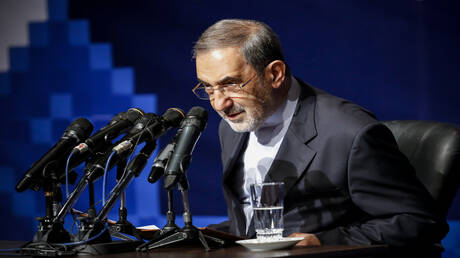
Iranian Supreme Leader's Senior Political Advisor, Ali Akbar Velayati, on Sunday, highlighted the necessity for Arab rulers to send a clear message to U.S. President Donald Trump that the Gulf is not a venue for political gambling. These statements come amid increasing tensions in the region, which have consistently shaped power and influence dynamics in the Middle East.
These remarks represent a reaffirmation of Iranian worries over U.S. policies, particularly following the American withdrawal from the nuclear agreement and the subsequent escalation in Trump’s rhetoric toward Iran. Moreover, these words reflect Iranian frustration over the current situation in the Gulf, which is seen as a source of increasing tensions among major and regional powers.
Details of the Event
Velayati's comments were made in the context of discussing the crucial role of Arab governments in supporting stability in the Gulf region. He stressed the need for effective Arab cooperation to counter external pressures, especially from the United States. He warned that gambling within the region could lead to dire consequences, necessitating decisive positions from Arab leaders.
Velayati expressed concern that Trump's policies could exacerbate the situation, cautioning that any adventure may harm the interests of nations in the region. In clarifying his perspective, he stated that Arabs should unite against any attempts to disrupt Gulf security.
Background & Context
It is crucial to recognize that Iranian statements come after years of escalating tensions between Iran and neighboring Arab states, most recently illustrated by military escalations in Yemen and Syria. This coincides with increasing military alliances with the United States, which promotes its own vision of regional security.
Historically, the Persian Gulf is viewed as a strategic area, playing a significant role in the global economy due to its vast oil reserves. This region has witnessed numerous conflicts in the past, emerging as a battleground for great power competition. Therefore, any escalation or testing by Trump or his administration could have significant repercussions for the balance of power in the region.
Impact & Consequences
Velayati's statements could heighten tensions between Iran and Sunni Arab nations, as Iran represents the largest challenge to many Arab regimes. The level of understanding or disagreement among Arab governments concerning their stance on Iran will undoubtedly reflect on their military and diplomatic strategies.
Furthermore, U.S. maneuvers in the region should be viewed through the lens of the Gulf, where ideas about peace and security remain shrouded in uncertainty. Any attempt to intensify pressures on Iran may trigger uncalculated reactions from the Iranian side, potentially reigniting conflicts.
Regional Significance
The tense relationship between Iran and Arab countries poses a significant challenge to the Arab regional system, which is already suffering from internal divisions and conflicts. Warnings about Trump’s actions may greatly influence how Arab governments behave amid global trends.
Achieving stability in the Gulf requires a unified approach and a collective vision from Arab states, especially if they wish to maintain their influence in the face of external pressures. The current U.S. administration stands as a pivotal point in this conflict, and careful consideration must be given on how Arabs engage with it.
In conclusion, tensions between Iran and Arab states continue under U.S. policies, and the next steps in guiding these relations remain open to multiple possibilities, making the region in dire need of a balanced vision and effective diplomatic approach.