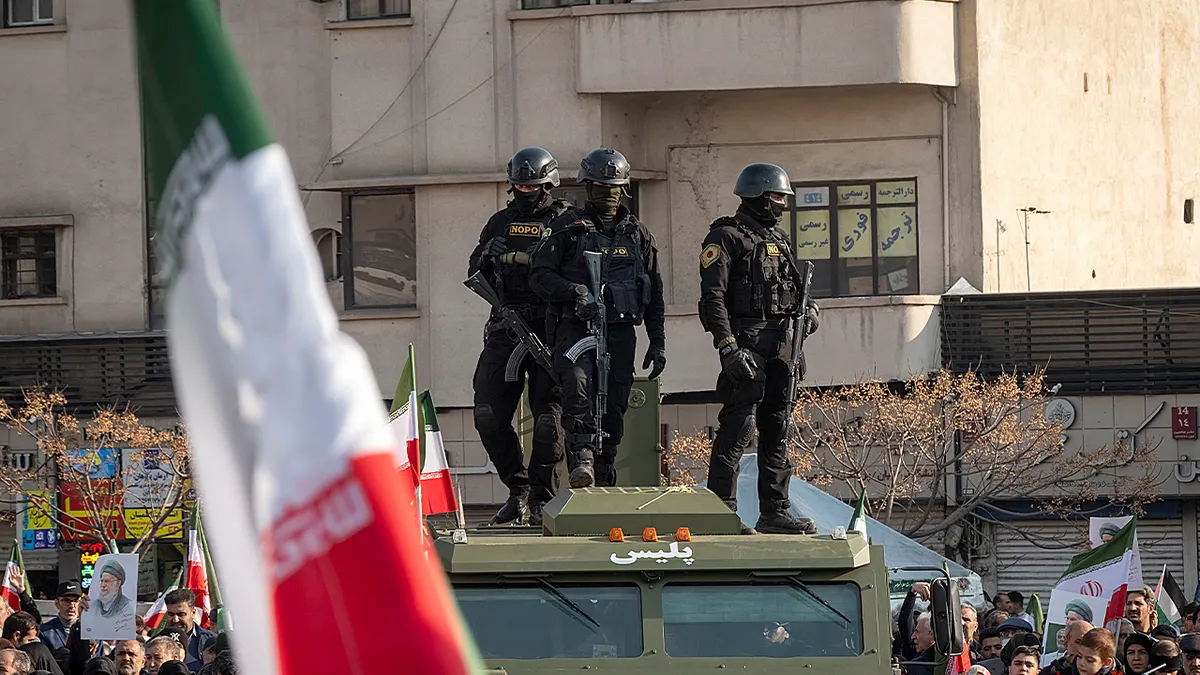
A diplomatic source has confirmed that the Iranian Revolutionary Guard Commander, General Hossein Salami, is taking charge in the Iranian war, expressing his belief that Tehran is achieving clear victories in the ongoing conflict. These statements come at a sensitive time marked by escalating military and political tensions in the region.
These remarks coincide with an uptick in military operations across the region, as Iran continues to bolster its military presence in Iraq and Syria, complicating the regional situation further. Additionally, Iran's support for armed militias in these countries reflects Tehran's strategy to expand its influence.
Details of the Situation
Reports indicate that General Salami believes Iran has managed to secure strategic gains despite international pressures and sanctions imposed on it. He notes that the Revolutionary Guard plays a pivotal role in directing military operations, highlighting its significant influence in Iranian decision-making.
Moreover, these statements come at a time when Iranian relations with Western countries are increasingly strained, especially following the United States withdrawal from the nuclear agreement. Salami asserts that Iran is capable of facing challenges due to its military strength and well-considered strategies.
Background & Context
Historically, the Iranian Revolutionary Guard has played a crucial role in Iranian politics since its establishment after the Islamic Revolution in 1979. Its role has evolved to include military operations beyond Iranian borders, where it has supported various militias in the region. This support reflects Iran's strategy in countering external threats and enhancing its regional influence.
In recent years, Iran has increased its involvement in regional conflicts, making it a target for criticism from numerous countries. Nonetheless, Tehran views these interventions as essential for protecting its national interests and bolstering its national security.
Impact & Consequences
General Salami's statements underscore Iran's efforts to strengthen its position in the region, which could lead to heightened tensions with neighboring countries. This escalation may impact regional security and increase the likelihood of new conflicts erupting.
These developments are significant for Arab countries, as any escalation in the conflict could affect the stability of the entire region. Furthermore, Iran's growing influence may raise concerns among Arab nations seeking to counter this increasing dominance.
Regional Significance
These developments indicate that Iran is striving to enhance its presence in the region, which may affect relations between Arab states and Iran. Arab countries are expected to take steps to counter this influence, whether through strengthening military cooperation or forming strategic alliances.
In conclusion, General Salami's statements highlight the challenges facing the region, as the Iranian conflict may continue to impact security and stability in Arab countries. The current situation requires Arab nations to take proactive measures to address these challenges.